
Show summary Hide summary
- Why the age of cultural monoculture unwound
- How Lollapalooza mirrored cultural fragmentation
- Different audiences, shared spaces: what the crowd revealed
- What this shift means for artists and their careers
- How discoverability has morphed in a fragmented market
- Business implications: sponsors, labels and the economics of variety
- Programming for a post-monoculture crowd
- Practical steps for artists, promoters and brands
- How culture stays alive when it’s decentralized
- Lessons from a festival that reflects a new era
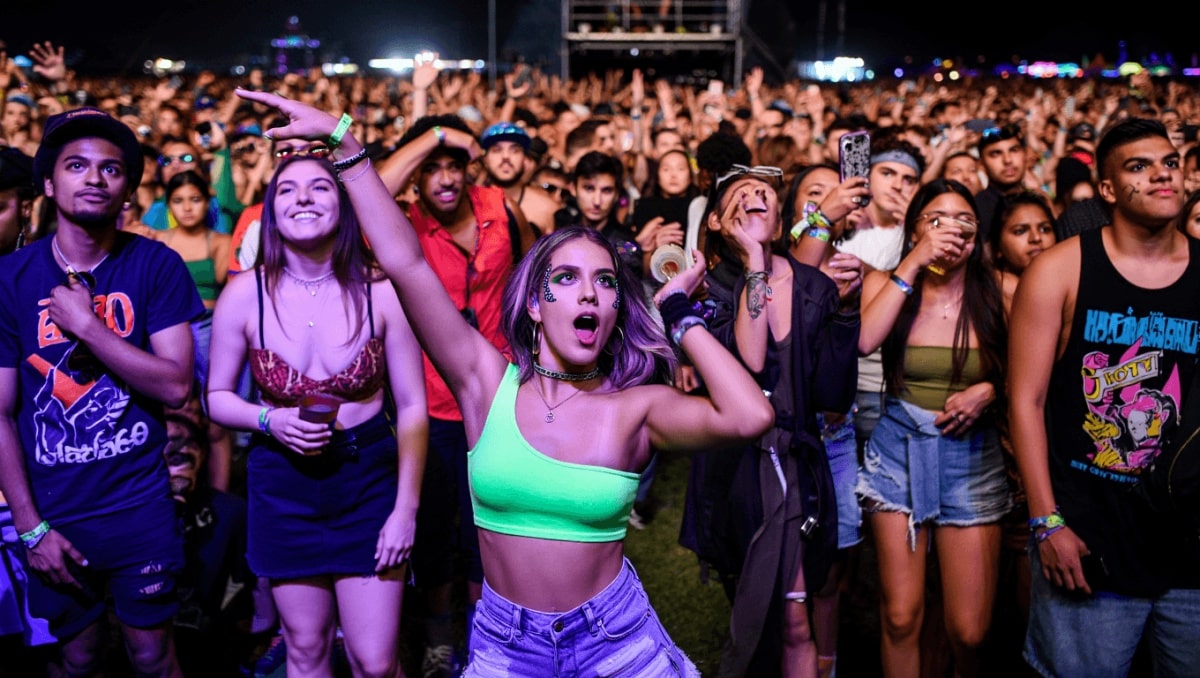
The sprawling crowds, clashing playlists and unexpected collaborations at Lollapalooza this year felt less like a single cultural event and more like a live map of modern tastes. Instead of one dominant sound, the festival stitched together dozens of scenes, languages and aesthetics. That scatter of styles and audiences isn’t a problem to solve. It’s the new normal — and for artists, fans and businesses, it opens fresh possibilities.
Why the age of cultural monoculture unwound
Several forces quietly dismantled the old idea that everyone consumes the same content. Streaming platforms let people build personal listening ecosystems. Social media fragments attention across niche communities. Global travel and migration mix local traditions with global trends.
Nas slams music industry over disrespect: teases new music, vows to address it
1992 vocal performances: 3 jaw-dropping moments that still amaze
Monoculture collapsed because distribution became personal. Instead of a few gatekeepers deciding what millions hear, algorithms and micro-communities let millions decide what they want. The result is a kaleidoscope of tastes rather than a single, dominant palette.
How Lollapalooza mirrored cultural fragmentation
The festival offered a blueprint for what modern live events look like.
- Stages ranged from mainstream headliners to underground acts, side by side.
- Performers blended genres — pop with punk, rap with electronic, folk with Afrobeats.
- Attendees arrived with different expectations: some wanted spectacle, others sought intimate discovery.
These contrasts created moments of friction and surprise. One crowd cheered a nostalgic anthem, while three stages over, a DJ introduced a sound unfamiliar to many. That collision made the weekend feel vibrant and unpredictable.
Different audiences, shared spaces: what the crowd revealed
Anyone watching the festival grounds could see that identities no longer map neatly onto music choices. Families, college students, older fans and international visitors intermingled.
- Playlists follow identity, not age; a 50-year-old might stream contemporary hip hop.
- Language barriers no longer block fandom; lyrics can be secondary to vibe.
- Festival-goers curate their own paths, moving between acts like skipping through a playlist.
The social logic of attendance has shifted: people attend for moments, for discovery, and for the ability to mix niche interests with mass spectacles.
What this shift means for artists and their careers
Monoculture rewarded a few global stars. The new terrain rewards adaptability and connection to niche audiences.
Strategies that work now
- Build small, engaged audiences who will follow you across platforms.
- Be genre-fluid. Collaborations expose artists to adjacent fan bases.
- Design live experiences that work in micro-moments and longer sets.
For many artists, success no longer depends on topping a single chart. It comes from stacking modest wins across communities, playlists and festival slots.
How discoverability has morphed in a fragmented market
Algorithms and tastemakers guide ears, but human networks still matter. Word-of-mouth on social apps, playlist editors, local promoters and influencers all act as discovery accelerators.
- Curated playlists place niche songs next to mainstream hits.
- Short-form video can turn a local artist into a global sensation overnight.
- Live festivals convert online curiosity into dedicated fans.
Discovery is now layered: algorithmic nudges meet community endorsement, and that mix favors artists who can perform well in both spaces.
Business implications: sponsors, labels and the economics of variety
Brands used to chase the largest single audience. Now they sponsor moments across many smaller scenes.
- Sponsors place activations near niche stages to reach specific subcultures.
- Labels invest in catalog depth and partnerships rather than one super-hit.
- Promoters design festivals as ecosystems that offer targeted fan experiences.
These shifts make revenue more diversified. Instead of a single blockbuster act carrying a festival, multiple smaller draws combine to make events financially resilient.
Programming for a post-monoculture crowd
Festivals that succeed will be those that accept complexity and curate for it.
- Embrace cross-genre bills that encourage discovery.
- Create flexible spaces for surprise collaborations and pop-up shows.
- Use data to understand micro-audiences, not to chase uniformity.
Good curation amplifies curiosity. It guides attendees without forcing them into a single experience.
Practical steps for artists, promoters and brands
- Artists: prioritize direct engagement and diversify your release strategy.
- Promoters: program for contrast and overlap to keep fans moving.
- Brands: target activations by subculture and lean into authentic connections.
All stakeholders benefit from treating diversity as an asset. When events and campaigns lean into varied tastes, they unlock new revenue and loyalty pathways.
How culture stays alive when it’s decentralized
Decentralized culture multiplies entry points for creativity. Niche scenes incubate innovation, while crossovers spread ideas faster than before.
- Local trends can become global within months.
- Artists test new sounds in small venues and scale what works.
- Audiences participate in shaping trends through content sharing.
Fragmentation accelerates experimentation. The more subcultures thrive, the richer the overall cultural landscape becomes.
Lessons from a festival that reflects a new era
Lollapalooza served as a live laboratory for these changes. Its collisions and juxtapositions illustrated how a plural cultural field can operate at scale.
- Expect festival lineups to become even more eclectic.
- Watch for unexpected partnerships between artists and communities.
- Pay attention to the spaces where niche meets mainstream — that’s where trends form.










