
Show summary Hide summary
- How Highway to Hell transformed AC/DC’s sound in 1979
- Key songs that became anthems
- Bon Scott’s presence: voice, words, and attitude
- Reception, charts, and touring impact
- Visual identity: photography, packaging, and the devilish motif
- Why the album changed hard rock and inspired later acts
- Legacy within AC/DC’s career arc
- Continuing influence: from riffs to modern playlists
- How listeners and critics remember the era
Forty-seven years ago AC/DC delivered a record that pushed their sound past pub rock and into stadiums worldwide. The band’s last studio album with Bon Scott reshaped how hard rock could be both raw and radio-ready. Its hooks, attitude, and production set a new bar for late-1970s heavy music and still echoes across playlists today.
How Highway to Hell transformed AC/DC’s sound in 1979
By mid-1979 AC/DC had a fierce live reputation. The band needed a studio statement that matched that power. Bringing in producer Robert John “Mutt” Lange changed their approach.
Nas slams music industry over disrespect: teases new music, vows to address it
1992 vocal performances: 3 jaw-dropping moments that still amaze
- Mutt Lange tightened arrangements, pushing for punchier riffs and cleaner vocal takes.
- The group refined song structures, keeping their grit but boosting memorability.
- Recording sessions aimed to capture both the band’s live energy and a radio-friendly sheen.
Key songs that became anthems
Certain tracks from the album became instant identifiers for AC/DC. They balanced singalong choruses with gritty guitar work.
- “Highway to Hell” — the title track became a global signature.
- “Girls Got Rhythm” — a driving rocker built around a simple, infectious riff.
- “Touch Too Much” — showed a blend of melody and swagger.
- “Shot Down in Flames” — raw and direct, it kept the band’s rebellious edge.
- “Night Prowler” — a darker, moodier closer that displayed range.
Bon Scott’s presence: voice, words, and attitude
Bon Scott’s delivery on this record is both charismatic and cheeky. His vocal phrasing turned brief lines into unforgettable hooks.
- He wrote lyrics rooted in everyday grit and rock‑and‑roll excess.
- His persona gave the songs a sense of danger and humor at once.
- Scott’s performance cemented him as a defining frontman of late-20th-century rock.
Reception, charts, and touring impact
The album gave AC/DC their breakthrough outside Australia. Critics noted the improved production and the band’s sharper songwriting.
- It expanded their radio play in Europe and North America.
- Touring behind the record grew stadium audiences and global recognition.
- Sales climbed quickly, turning the record into a multi-platinum landmark.
Visual identity: photography, packaging, and the devilish motif
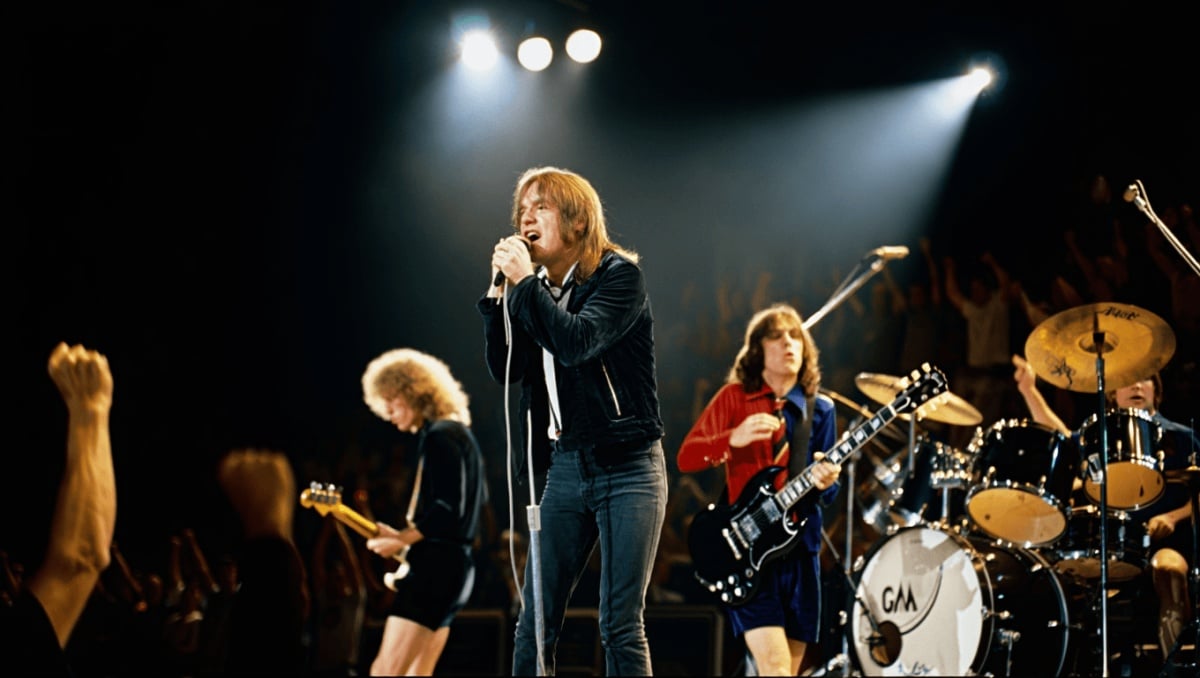
The album cover and promotional images reinforced AC/DC’s image as dangerous fun. The band leaned into theatrical elements without losing street-level credibility.
- Stage clothes and poses amplified the record’s themes.
- Promos and press photos helped cement the band’s recognizable look.
Why the album changed hard rock and inspired later acts
Highway to Hell bridged street-level rock and stadium arenas. It became a blueprint for bands that wanted to be loud, tight, and accessible.
- Its mix of raw guitar and tidy production influenced hard rock and early metal producers.
- Song structures favored strong choruses, which later acts adopted for radio success.
- Its cultural footprint appeared in cover versions, playlists, and the way new bands framed their sound.
Legacy within AC/DC’s career arc
The record occupies a pivotal place in the band’s history. It closed one chapter while setting the stage for what came next.
- It remains one of the most referenced albums in their catalog.
- Fans and critics often cite it as the moment AC/DC became internationally unmistakable.
- The songs live on in concert setlists and streaming charts decades later.
Continuing influence: from riffs to modern playlists
Decades on, the album’s grooves still inform guitarists and producers. Its tracks are staples across rock radio and digital platforms.
- Young musicians study the album for its economical riffs and phrasing.
- Playlists use its anthems to signal classic hard rock energy.
- Its production style is often cited in discussions about balancing grit and clarity.
How listeners and critics remember the era
For many, the album represents the peak of an era where rock could be both rebellious and widely loved. Its immediacy and attitude make it a touchstone.
- Music writers point to its role in opening international doors for Australian rock.
- Longtime fans recall the album as a turning point in the band’s public profile.
- Its continued relevance is visible in covers, tributes, and ongoing radio play.










