
Show summary Hide summary
- How echolocation became part of the beat
- Unpacking the sound design: from clicks to club
- Track highlights that define the record
- How this sits within EDM and experimental scenes
- Live performances: turning sonar into spectacle
- Why the ecological angle matters
- Where to listen and what to expect
- Tips for first-time listeners
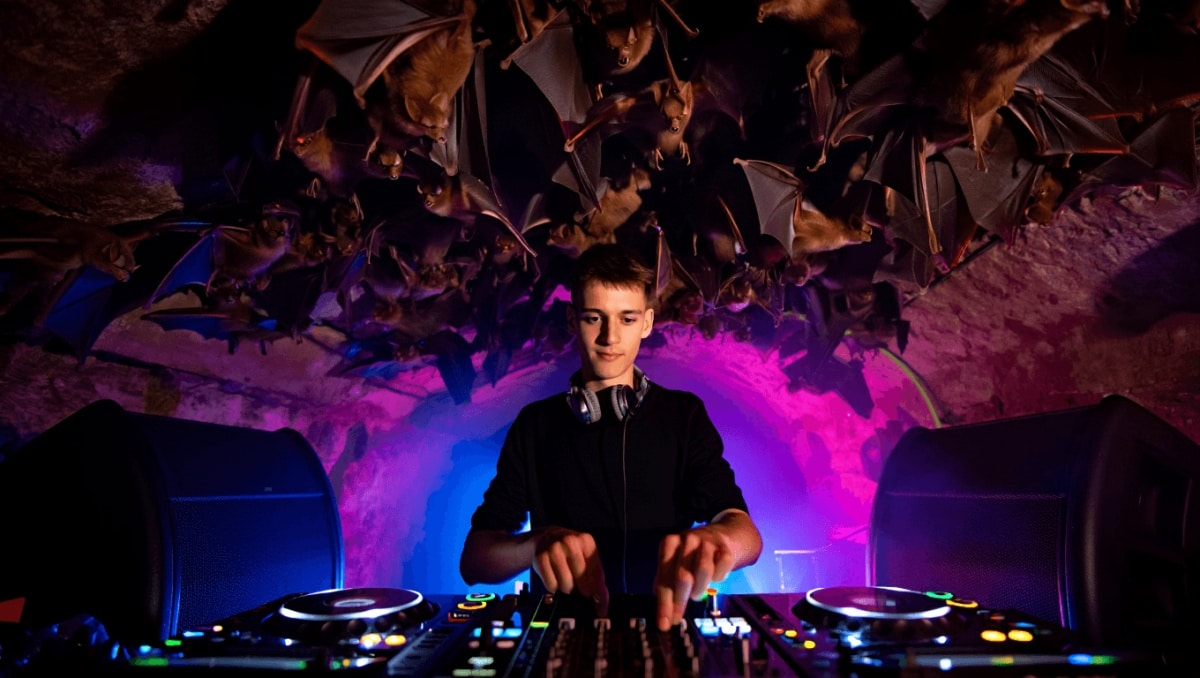
Think of the club turned into a cave: pulses of high-frequency clicks slice through bass, and the rhythm feels guided by animals navigating the dark. A new electronic record takes that premise seriously, folding bat echolocation into modern EDM. The result is unexpected, eerie, and oddly danceable.
How echolocation became part of the beat
The album began as a field-recording project. The producer spent nights in forests and under bridges, capturing bat calls with ultrasonic microphones. Those raw, high-pitched impulses are inaudible to the human ear unless shifted down. In the studio they were transposed, sampled, and treated like percussive and melodic elements.
Nas slams music industry over disrespect: teases new music, vows to address it
1992 vocal performances: 3 jaw-dropping moments that still amaze
- Ultrasonic recordings slowed and pitch-shifted to sit in the audible range.
- Click patterns used as rhythmic triggers for drum machines.
- Convolution and granular synthesis to turn single calls into atmospheres.
The creative leap came when echolocation clicks stopped being novelty and became structural. Instead of background texture, the calls map to tempo, fill spaces, and answer synth lines.
Unpacking the sound design: from clicks to club
Producers blended traditional EDM tools with bioacoustic processing. The goal was clarity without sterilizing the source.
Techniques that shape the album
- Time-stretching: elongating calls to create drones and pads.
- Pitch-shifting: moving ultrasonic clicks into melodic ranges.
- Sidechain compression: letting bass duck under bat-sourced transients.
- Spatialization: placing calls across stereo and surround fields to mimic echoing caves.
The mixing emphasizes contrast. Low-frequency subs push dance energy. Sharp, re-sculpted clicks cut through for a visceral edge.
Track highlights that define the record
Certain tracks stand out for how they integrate the animal recordings with club conventions.
- Opening track: a slow burn that layers distant clicks over a minimal kick, setting mood.
- Mid-album peak: syncopated bat pulses drive a halftime groove, making the wildlife feel choreographed.
- Ambient interlude: granular clouds built from single bat calls, almost hymnal.
- Closer: a high-energy cut where every cymbal and snare is nudged by echolocation transients.
How this sits within EDM and experimental scenes
This project bridges two audiences: clubgoers who crave fresh textures, and listeners of experimental electronic music. It nudges dance music toward bio-inspired soundscapes without abandoning rhythm.
- For DJs: the tracks are mixable and rhythm-forward.
- For sound-art fans: the field recordings are treated with respect and curiosity.
- For conservation-minded listeners: the record sparks interest in lesser-known wildlife.
Live performances: turning sonar into spectacle
On stage the concept expands. Visuals mimic sonar imaging. LED arrays pulse in sync with recorded calls. The producer sometimes uses live sonar transceivers to feed the performance in real time.
- Real-time processing lets bat-like clicks be remixed on the fly.
- Immersive visuals use waveform and spectrogram displays as choreography.
- Some shows include brief educational segments about bats and habitats.
Why the ecological angle matters
Beyond novelty, the record raises awareness about bats’ role in ecosystems. Integrating their calls into pop formats creates empathy and curiosity.
Important: the project credits field researchers and adheres to ethical recording practices. Microphone setups avoided disturbing roosting colonies.
Where to listen and what to expect
The album is available on major streaming platforms and through select independent labels. Expect variations across formats—vinyl editions may emphasize warmth, while digital releases offer clearer high-end detail.
- Streaming: immediate access and playlist potential.
- Digital download: higher-resolution options for critical listening.
- Vinyl: tactile experience and curated sequencing for side breaks.
Tips for first-time listeners
- Use headphones for detailed high-frequency work.
- Play at medium volume first; dynamic passages can surprise you.
- Listen in a quiet space to appreciate the interplay of clicks and bass.










