
Show summary Hide summary
Paris has lately found itself wrapped in neon and retro beats as the city’s nightlife and culture scenes revisit the world Kavinsky helped define. From dim clubs to art-house screenings, his synth-heavy soundtracks and the cinematic mood they evoke are fueling conversations about memory, speed and modern nostalgia.
How Kavinsky’s Sound Became a Parisian Touchstone
Vincent Belorgey, known as Kavinsky, fused 1980s synth textures with modern production. The result felt cinematic and intimate. His track “Nightcall” reached a global audience after its use in the film Drive. That exposure anchored his music in the public imagination.
Nas slams music industry over disrespect: teases new music, vows to address it
1992 vocal performances: 3 jaw-dropping moments that still amaze
In Paris, that sound connects to a wider fascination with noirish nights. DJs mix his tracks into late sets. Radio shows feature him in playlists about retro-futurism. The effect: a new lens on the city after dark.
What Makes His Music So Resonant Today
- Emotional minimalism: simple melodies carry big feelings.
- Filmic textures: each track suggests a scene, not just a beat.
- Persona and myth: Kavinsky’s backstory amplifies the music.
- Cross-media appeal: his sound suits movies, video games, and fashion.
Where Parisians Hear Kavinsky Now
His influence shows up in many corners of Paris culture. Clubs use his music to set mood. Cinema nights pair synthwave with classic noir films. Independent labels press limited vinyl runs for collectors.
- Late-night club sets that favor nostalgia and synth-driven tracks.
- Curated film screenings with complementary soundtracks.
- Record fairs and pop-up shops selling limited editions.
- Gallery shows that blend visual art and retro soundscapes.
The Story Behind the Music and the Myth
Kavinsky created a character: a driver who returns as a kind of ghost. He built a narrative to go with the songs. That storytelling turned straightforward electronic music into a mythic experience.
Tracks like “Nightcall” and later releases used sparse vocals and echoing synths. They invite listeners into a nocturnal world. The image of the Ferrari Testarossa became shorthand for speed and solitude.
Visual Style: Neon, Cars, and Cinematic Nightscapes
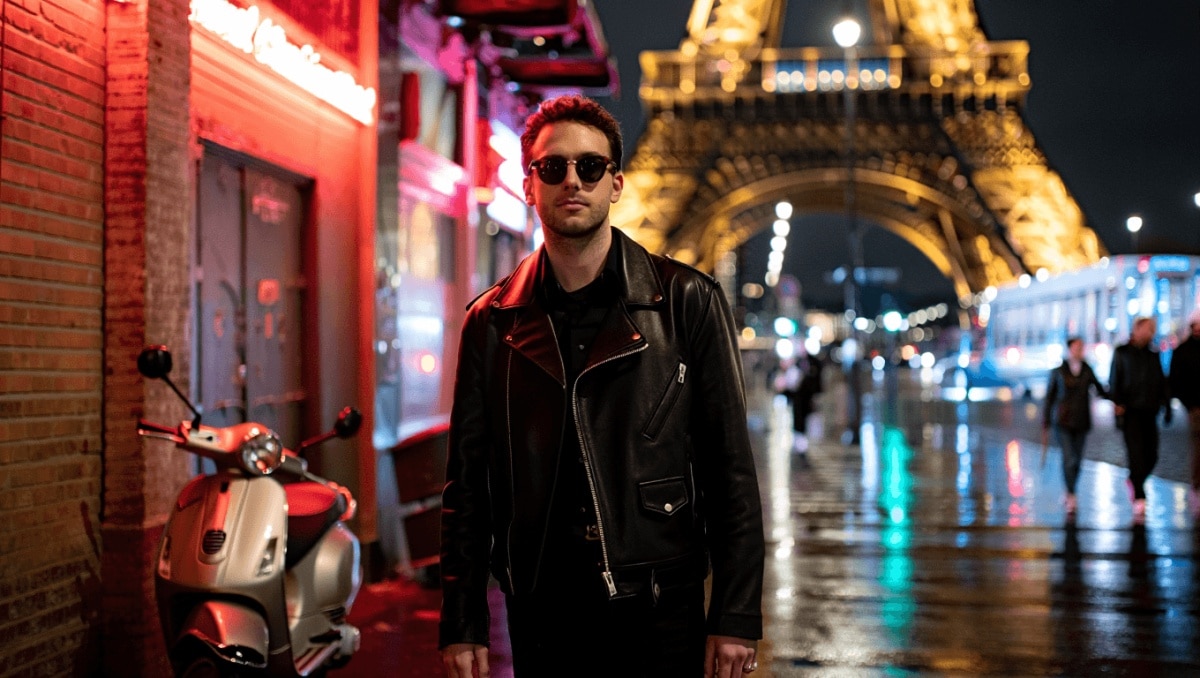
Parisian audiences respond not just to sound but to imagery. The neon glow, mirrored glass, and empty streets at dawn feel familiar when paired with Kavinsky’s music. Fashion and photography have adopted the palette.
Elements that keep resurfacing
- Retro car iconography and the Testarossa motif.
- Neon-lit street photography and urban landscapes.
- Slow-motion sequences and film-grain aesthetics.
Local Artists and DJs Shaping the Revival
Producers in Paris reinterpret synthwave with new textures. DJs build sets that mix Kavinsky with house, techno and soundtrack cues. The result is a living scene that borrows and reinvents.
- Remix culture reshapes familiar tracks into club-ready versions.
- Collaborations with filmmakers expand the reach of the style.
- Young labels press new vinyl and organize themed parties.
Why the City Keeps Returning to That Sound
Paris balances tradition and reinvention. Kavinsky’s music sits at that intersection. It feels both nostalgic and forward-looking. For many, it captures the loneliness and freedom of late-night travel.
The music offers a soundtrack for moments when the city is quiet and possibilities feel vast. That emotional precision explains the enduring appetite for his aesthetic.










