
Show summary Hide summary
- Why “The Odyssey” sent theaters and filmmakers buzzing
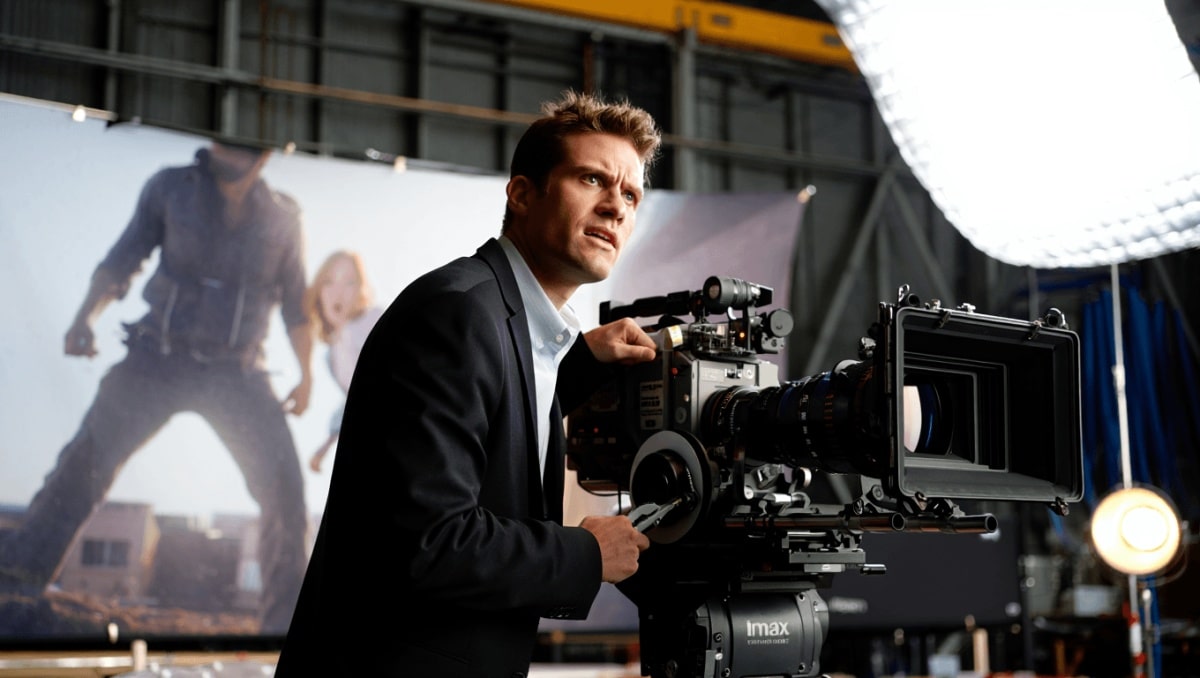
- What it really costs to shoot on Imax 70mm
- Technical trade-offs: image quality vs. practical limits
- Filmmakers likely to consider full Imax shoots
- How Imax supports filmmakers who want large-format work
- Digital alternatives and hybrid approaches
- What studios must consider before committing to full Imax film
Christopher Nolan’s latest spectacle, “The Odyssey,” has reignited a long-standing fascination with Imax’s 70mm film. The movie’s commercial roar and weeks of sold-out large-format screenings have studios and directors asking whether shooting entirely on Imax film is again a practical pursuit.
Why “The Odyssey” sent theaters and filmmakers buzzing
“The Odyssey” has pushed audiences back into premium auditoriums. Globally, it neared $650 million at the box office, with about $140 million coming from Imax ticket sales. That kind of pull makes the format impossible to ignore.
Nas slams music industry over disrespect: teases new music, vows to address it
1992 vocal performances: 3 jaw-dropping moments that still amaze
Exhibitors report long lines for the 70mm presentations. When a film can reliably fill those seats, the financial and prestige argument for Imax grows stronger.
What it really costs to shoot on Imax 70mm
Shooting on Imax film is expensive in several ways. The raw materials, camera rentals, and specialized processing all add up fast.
- Film stock: Roughly $1.50 per foot. A big production can go through millions of feet.
- Processing: Developing and scanning large-format negative carries premium lab fees.
- Prints: A single 70mm Imax print can run about $50,000. Studios choose how many prints to make.
- Camera logistics: Imax cameras are bulky and noisy. They need blimps and special rigs.
On “The Odyssey,” the production budget climbed to around $250 million. A large chunk of that reflects the choice to shoot exclusively in Imax 70mm.
Technical trade-offs: image quality vs. practical limits
Imax 70mm delivers an image depth and scale that digital formats struggle to match. Directors are drawn to the tactile grain and sheer fidelity of film.
- Image advantage: unparalleled resolution and depth on very large screens.
- Mechanical drawbacks: heavy cameras limit mobility and increase noise on set.
- Scheduling pressure: fewer camera packages and longer processing times can affect shooting timelines.
Studios weigh these benefits against schedule and budget constraints before greenlighting a full 70mm shoot.
Filmmakers likely to consider full Imax shoots
Not every director can or will choose this route. The creative payoff favors those making large-scale, sensory films. A few names top industry conversations.
Denis Villeneuve
Villeneuve has already experimented with 70mm. He shot substantial footage for “Dune: Part Three” on Imax film and praised the format’s unique on-screen impact.
At a recent event, he admitted he kept some desert photography in digital. He said the mix gave him choices, but he expressed interest in returning to Imax film when it serves the story.
His next assignment on the new James Bond could be a natural match for large-format cinematography.
Ryan Coogler
Coogler has also flirted with big formats. For “Sinners,” he and cinematographer Autumn Durald Arkapaw used both 15-perf Imax and Ultra Panavision 70 for different aspects of the film.
Marvel has confirmed parts of “Black Panther 3” will be shot on 70mm. That makes Coogler one of the obvious candidates to push further into Imax territory.
Other directors showing interest
- Filmmakers who value scale—either for spectacle or immersive drama—are on the shortlist.
- Directors with strong studio backing stand the best chance of covering the costs.
How Imax supports filmmakers who want large-format work
Imax says it has the gear and infrastructure to help productions that choose their format. Executives emphasize flexibility and willingness to collaborate.
They point out that with careful scheduling and enough lead time, the company can supply cameras, blimps, and the lab work needed to produce prints.
Practical reality: studios must allow for film handling time and plan for the higher per-foot expenses.
Digital alternatives and hybrid approaches
Not every production needs pure 70mm to get a premium look. Several recent blockbusters used hybrid strategies.
- “Project Hail Mary” shot on Imax-certified digital cameras, then created film prints for exhibition.
- Some films are shot with select sequences on 70mm while the rest uses digital capture.
- Cameras like VistaVision and Ultra Panavision offer other high-resolution options for large-screen projection.
These mixed approaches let filmmakers harvest the best of both worlds. They reduce cost while preserving moments of dramatic scale.
What studios must consider before committing to full Imax film
Studios weigh several variables before approving a full Imax shoot.
- Budget: Can the film sustain higher stock and processing costs?
- Schedule: Does the production allow extra time for limited camera availability?
- Creative payoff: Will the audience notice and reward the format choice at the box office?
When a format can bring both critical acclaim and ticket premiums, studios will consider the investment more seriously.










