
Show summary Hide summary
- How Pharrell moved from behind the boards to center stage
- What the album sounded like and why it surprised people
- Initial reviews: where critics found fault
- Commercial performance and public reaction
- How opinions changed over time
- Tracks and moments that have aged well
- Why the album is seen as a classic today
- The album’s mark on Pharrell’s legacy and modern music
- Where listeners can revisit the record now
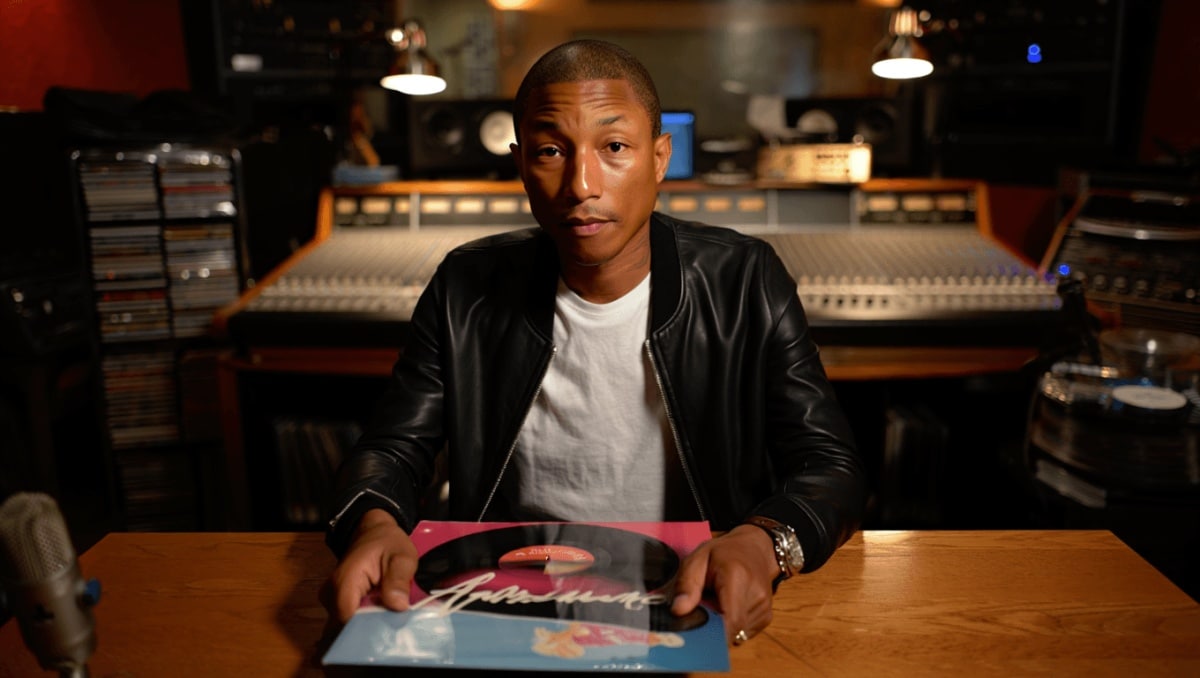
Two decades after Pharrell stepped into the solo spotlight, his debut album has quietly grown into a touchstone for modern pop and hip-hop. What was once met with cool reviews has since been revisited by fans, artists, and critics who now call the record influential. This piece traces how that shift happened and why the album matters today.
How Pharrell moved from behind the boards to center stage
Before the album, Pharrell was already a household name in music. As one half of The Neptunes and a member of N.E.R.D., he shaped hits for others. The leap to a solo record was a statement. It asked listeners to hear his voice as an artist, not just as a producer.
Nas slams music industry over disrespect: teases new music, vows to address it
1992 vocal performances: 3 jaw-dropping moments that still amaze
What the album sounded like and why it surprised people
The record blended sleek pop, R&B grooves, and experimental touches. It leaned on tight, minimal beats and catchy hooks. Some songs pushed into unexpected textures. Others chased radio-friendly choruses.
- Signature production style carried through the songs.
- Moments of bold experimentation sat beside polished singles.
- Guest appearances added variety without overshadowing Pharrell.
The contrast between production confidence and tentative songwriting is one reason early listeners were divided.
Initial reviews: where critics found fault
Many reviews at release focused on expectations. Critics praised Pharrell’s sound but questioned the album’s identity. Some called it uneven.
- Critics wanted stronger lyrical depth.
- Some felt the album traded risk for mainstream appeal.
- Others said the record didn’t fully capture Pharrell’s creative range.
Commercial performance and public reaction
The album reached a broad audience through singles and Pharrell’s existing profile. Radio play and celebrity collaborations helped its visibility. Fans often embraced the tracks that critics dismissed.
How opinions changed over time
As Pharrell’s career grew, so did interest in his early solo work. Retrospective takes reframed the album as a bridge between eras. Critics and historians began to highlight its role in shaping pop production.
- Producers cite the album as an influence on modern pop and R&B.
- Artists point to its textures and arrangements as inspiration.
- Reissues and anniversary coverage renewed attention.
Tracks and moments that have aged well
Certain songs now stand out for their craft and personality. These moments show Pharrell’s strengths as a melodic thinker and sonic curator.
- Tracks with minimal, punchy beats that later producers emulated.
- Melodic hooks that became part of Pharrell’s signature sound.
- Production flourishes that anticipated trends in pop and hip-hop.
Why the album is seen as a classic today
Time reframed the album’s unevenness as ambition. Its willingness to mix styles and aim for broad appeal is now viewed as forward-thinking. The record captured a moment when pop, hip-hop, and experimental sounds converged.
The album’s mark on Pharrell’s legacy and modern music
The record helped cement Pharrell’s dual identity as a hitmaker and creative visionary. His later successes cast new light on the debut’s experiments. The album now reads as an early chapter in a career defined by crossover influence.
- It influenced producers reshaping mainstream music.
- It showed that a producer could be a credible solo artist.
- It helped normalize genre-blending in commercial records.
Where listeners can revisit the record now
Streaming platforms and anniversary articles make the album easy to access. New listeners often find details missed at release. Fans discover textures and hooks that resonate with today’s sounds.
Listening tips
- Focus on production choices rather than just lyrics.
- Compare early reviews with modern takes for perspective.
- Listen for elements that reappear in Pharrell’s later hits.










