
Show summary Hide summary
- How “Sugar, We’re Goin Down” became the emo anthem of 2005
- Why “Hollaback Girl” reshaped pop swagger in 2005
- How “Don’t Cha” amplified flirtation and rivalry at school dances
- Why “Pon de Replay” marked Rihanna’s arrival and the party sound of 2005
- How these four songs mapped teenage life before algorithms
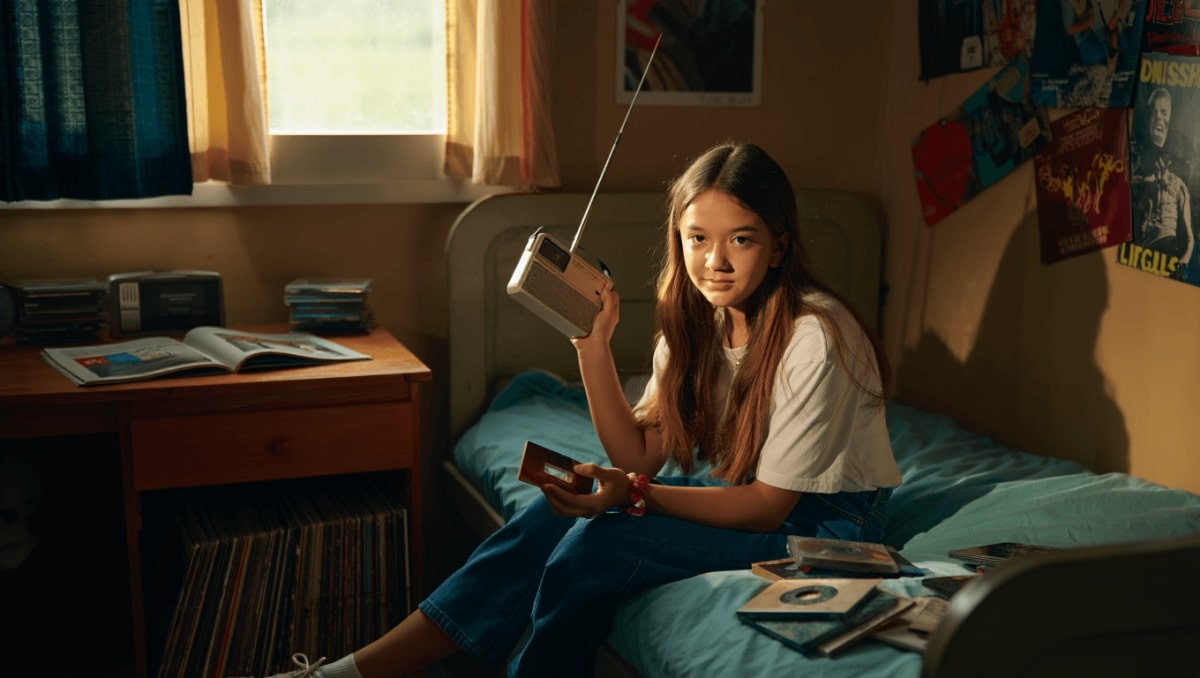
The songs that defined a teenage year before feeds and algorithms took over were more than hits. They were soundtracks for late-night driving, messy first loves, and the chorus everyone knew by heart. In 2005, music moved through radios, mixtapes and shouted requests at school dances. These four tracks capture how young people felt and how they shared culture before social platforms rewired youth life.
How “Sugar, We’re Goin Down” became the emo anthem of 2005
Why the track mattered to teens
Nas slams music industry over disrespect: teases new music, vows to address it
1992 vocal performances: 3 jaw-dropping moments that still amaze
- Fall Out Boy turned cryptic lyrics and urgent guitars into a communal language for teenage frustration.
-
What it sounded like in real life
- Guitar riffs blasted from car speakers on Friday nights.
- Hands in the air at house parties, everyone shouting the chorus.
- Lyrics copied into notebooks, AIM away messages, and burned CD playlists.
“Sugar, We’re Goin Down” crystallized a mood: messy emotion served with stadium-sized hooks. It was an anthem for feeling misunderstood and loudly so.
Why “Hollaback Girl” reshaped pop swagger in 2005
How Gwen Stefani’s single caught on
- The song’s chantable beat made it impossible to ignore.
- It turned attitude into a singalong and a cultural reference.
- Dance rehearsals, talent shows, and lip-sync battles picked it up instantly.
Its role in teen culture
- It offered a bold, playful take on confidence.
- Girls and guys learned the lines and the moves without streaming tutorials.
- It proved pop could be clever, sharp, and meme-ready before memes were mainstream.
“Hollaback Girl” was more than a hit. It was a mood that teens performed everywhere.
How “Don’t Cha” amplified flirtation and rivalry at school dances
What made the Pussycat Dolls’ track stand out
- Sultry production and catchy hooks made it irresistible on dance floors.
- The single fueled confidence and playful competition during prom season.
- Radio edits, ringtone downloads, and club mixes spread it fast.
Teen memories tied to the song
- Slow dances turned into cheeky showdowns when the chorus hit.
- It was a soundtrack for bold text messages and flirting by the locker.
- Clubs and car speakers turned the track into a shared, charged moment.
“Don’t Cha” captured a slice of teenage social life where attraction, bravado, and music met on the same beat.
Why “Pon de Replay” marked Rihanna’s arrival and the party sound of 2005
How the debut single echoed across youth culture
- A dancehall-pop hybrid made it perfect for both radio and the club.
- It announced Rihanna as a fresh, global voice teens could rally behind.
- DJ edits and radio mixes kept it in rotation for months.
Everyday scenes the song scored
- Birthday parties and weekends at the mall turned into mini-concerts.
- Friends recorded it onto CDs to swap and replay on walkmans or early MP3 players.
- The beat demanded motion: on porches, sidewalks, and living-room floors.
“Pon de Replay” was the kind of debut that turned ephemeral trends into lasting memories.
How these four songs mapped teenage life before algorithms
- They traveled via radio requests, burned CDs, and word of mouth.
- Playlists were personal cassettes of identity, not curated feeds.
- Sharing felt deliberate: you gave a friend a CD or an MP3, not a follow.
- Moments tied to songs stuck because you lived them together, not just scrolled past them.
In 2005, music was touchable. It lived in car rides, party basements, and sticky prom floors. Those songs anchored teenage memory in a way algorithmic streams later changed.










