
Show summary Hide summary
- How Nolan reconstructs Homer’s nonlinear epic for the screen
- Scenes and set pieces: famous episodes reframed with grit
- Women gain dimension: anger, agency, and complexity
- Performance highlights: Matt Damon and a remarkable ensemble
- Visual language: intimate scale inside epic frames
- Notable sequences and thematic focus
- Creative choices and source influences
- Release details and what to expect in theaters
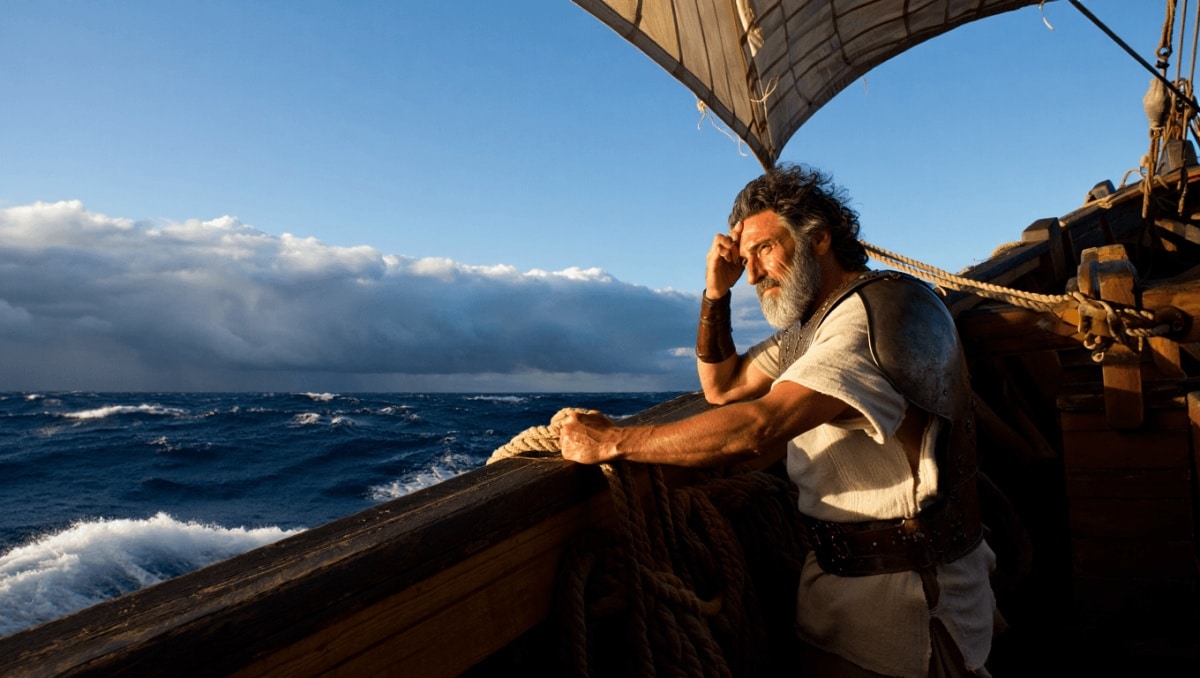
Christopher Nolan turns Homer’s sprawling tale into a visceral, unglossed film experience that feels both ancient and urgently modern. He abandons the slick veneer of some of his earlier works and dives into a version of The Odyssey that is noisy, muddy, and relentless. The result is a movie that treats myth as lived history and makes familiar episodes feel newly dangerous.
How Nolan reconstructs Homer’s nonlinear epic for the screen
Nolan leans into fractured memory and layered storytelling to mirror the poem’s shifting narrators. The film alternates between Ithaca’s present and Odysseus’s fragmented recollections.
Nas slams music industry over disrespect: teases new music, vows to address it
1992 vocal performances: 3 jaw-dropping moments that still amaze
- In Ithaca, Penelope endures the constant presence of impatient suitors. Her son, Telemachus, seeks answers about his absent father.
- Through conversations with servants and travelers, the audience receives scattered glimpses of Odysseus’ past deeds.
- When the story follows Odysseus himself, it is often from within his own foggy point of view.
This structure keeps the audience off-balance. Memory and myth collide. Rather than a straightforward retelling, the film reveals character through stories told by those left behind.
Scenes and set pieces: famous episodes reframed with grit
Nolan avoids cartoonish fantasy. Most supernatural moments are embedded in the physical world. Monsters and gods emerge as weather, sound, and flesh.
- Sirens are suggested from a distance, their threat implied rather than staged.
- Scylla and other terrors appear in fragmented glimpses, amplifying dread.
- Encounters that are usually theatrical become tactile and grounded.
The film leans into the grotesque. Bodies, filth, and the mess of war are prominent. Soldiers trapped in the Trojan Horse endure humiliation and squalor. Polyphemus is unsettling more for his physical detail than for any digital spectacle.
Circe’s sequence stands out as pure body horror. Magic here is hands-on, tactile work: a sorceress who shapes flesh as if it were clay. It is a bold, unsettling move for a director known for visual precision.
Women gain dimension: anger, agency, and complexity
This adaptation invests serious attention in female characters. They are not sidelines. They carry memory, motivation, and moral weight.
- Penelope is patient but fierce, forced to navigate politics and humiliation.
- Circe is more than enchantment; she is wounded, complicated, and dangerous.
- Helen and other royal women are portrayed with grievance and power.
Performances give these roles urgency. Some parts remain quieter on the page, but the actresses fill them with presence. Rather than reducing women to plot devices, the film lets their frustrations and strategies drive the action.
Performance highlights: Matt Damon and a remarkable ensemble
The casting reads like a cinema event, and each actor commits to the material. Small gestures often reveal a lifetime of story.
- Matt Damon plays Odysseus as a layered man: leader, liar, and broken wanderer.
- Tom Holland brings youthful confusion and determination to Telemachus.
- Robert Pattinson makes the suitor’s arrogance loathsome in a quiet, searing way.
- Supporting players add texture: a loyal swineherd, a faithful second-in-command, and others create a living world.
There’s no hero worship here. The film interrogates Odysseus’ choices. His pride and mistakes compound into moral consequences that reverberate through the story.
Visual language: intimate scale inside epic frames
Hoyte van Hoytema’s cinematography gives this Nolan film an unusually lush palette. Yet the visuals rarely glamorize. Vast seascapes coexist with close, grimy interiors.
Gods are often represented as natural forces. Thunder, wind, and storms substitute for direct divine spectacle. This choice keeps the supernatural ambiguous.
The movie pairs blockbuster moments with small emotional beats. Nolan wants the audience to feel the salt on their skin and the fatigue in a soldier’s gait. Epic scope and human detail coexist throughout the film.
Notable sequences and thematic focus
Key episodes are present, but they are reframed to emphasize consequence and cost.
- The Trojan Horse is shown through aftermath and human suffering.
- The descent into the underworld is bleak, confrontational, and revealing.
- Transformations and enchantments become reflections on identity and power.
The language is deliberately plain in places. This choice makes the characters’ fears and regrets clearer. It also sparked discussion among viewers expecting archaic diction. Nolan opts for clarity over ritualized speech.
Creative choices and source influences
The production borrows wisely from scholarly translations and modern readings. The adaptation does not treat Homer as untouchable text. Instead, it interrogates motives and consequences.
By giving myth a physical weight, Nolan reframes familiar moments as ethical tests. Scenes that once felt legendary are now messy, immediate, and morally complicated.
Release details and what to expect in theaters
The Odyssey premieres in cinemas on July 17. Expect a film that balances large-scale action with intimate interrogation. It asks viewers to reexamine a foundational myth through discomfort and empathy.










