
Show summary Hide summary
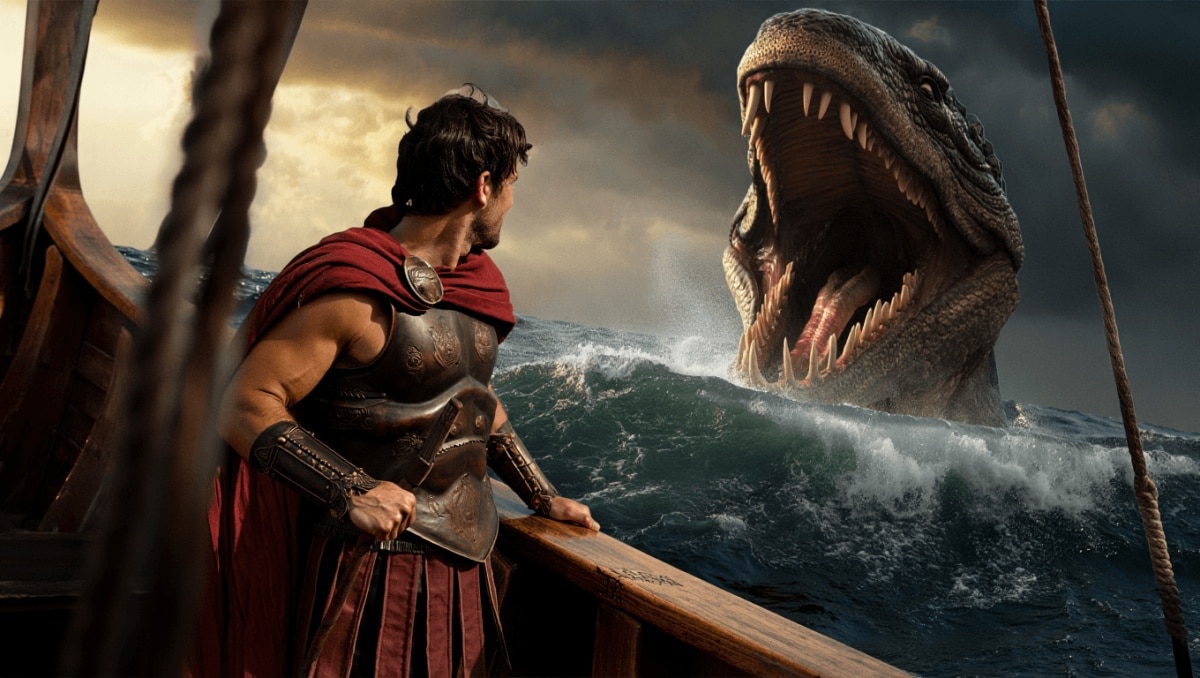
Christopher Nolan’s latest retelling of Homer’s epic lands with a roar that begs to be heard on the biggest possible stage. The Odyssey is a near-three-hour voyage of myth, sea violence, and colossal creatures — and Nolan has pushed cinema tech to its limits to deliver it. If you plan to see it, there are a few practical and technical things to know before buying that IMAX ticket.
Why this film is a technical milestone for IMAX and cinema
This is not another Nolan sequence filmed in IMAX. The Odyssey is the first feature-length picture shot entirely on IMAX 1570 film cameras. That choice shapes everything about how the movie looks and how it was made.
Nas slams music industry over disrespect: teases new music, vows to address it
1992 vocal performances: 3 jaw-dropping moments that still amaze
- IMAX 1570 is the highest-resolution film format used in mainstream features.
- The cameras are enormous and heavy, sometimes needing multiple crew to move them.
- Film magazines had to be reloaded frequently on set, creating a slow, meticulous shooting rhythm.
Solving old problems with new hardware
The 1570 rigs are loud and bulky, which complicates recording actors’ dialogue. To counter that, IMAX and Nolan’s team developed a custom 65mm camera nicknamed the Keighley. It runs inside a blimp-style housing to reduce noise and make close-up sound work better on these giant cameras.
What it means to watch The Odyssey in IMAX
Seeing the film in IMAX changes the experience. The scale becomes physical. Shots that feel tight on smaller screens open up and overwhelm you in a good way.
- Battle scenes gain visceral weight and presence.
- Large creatures and cavernous sets feel immersive and immediate.
- The combination of image scale and loud, detailed sound creates a sensory onslaught.
Director of photography Hoyte van Hoytema and editor Jennifer Lame lean into close framing and rapid cutting. That makes the IMAX frame feel both intimate and expansive.
Ticket costs, sell-outs, and box-office demand
Buying an IMAX ticket requires planning. Prices in the U.S. typically range from about $18 to $33. Expect premium pricing compared with standard screenings.
Demand is extreme. Many opening IMAX sessions sold out quickly. Cinemas in some cities even added late-night showings to cope. Industry estimates put Nolan’s opening weekend in the U.S. between $85 million and $100 million, with global totals possibly near $200 million.
Records and local sell-out stories
The BFI IMAX in London set an early benchmark by selling over $1 million in tickets in 24 hours. That venue has been booked solid for weeks.
Practical tips to secure the best IMAX experience
If you decide to go IMAX, these tips will help you get the most from your visit.
- Book early. Popular showtimes disappear fast.
- Choose a center seat, higher in the auditorium. That offers the best eye level.
- Avoid extreme side seats; the image can feel warped there.
- Consider late or weekday screenings if weekend slots are gone.
If you have sensitive hearing, pack earplugs. The film’s mix is designed to shake the theater.
Sound, score and why audio matters as much as picture
The film’s audio team built a relentless soundscape. Re-recording mixers Gary A. Rizzo and Kevin O’Connell led the mix. Craig Henighan supervised sound editing. Production sound came from Willie D. Burton, with a standout foley crew.
Composer Ludwig Göransson supplies a score that complements the mix. Expect booming drums, intimate textures, and sonic details that IMAX amplifies. Every creak, impact, and breath is given room to resonate.
Cast, runtime and when you can see it
Matt Damon plays Odysseus in a cast stacked with well-known names. The movie runs about two hours and 52 minutes. Its wide release includes IMAX screenings on July 17.










