
Show summary Hide summary
- Record Debut: Numbers That Turn Heads
- Why IMAX Was a Game Changer
- Nolan’s Name as a Box-Office Magnet
- Star-Studded Cast and Storyline Appeal
- Who Saw It: Demographics and Audience Mix
- Big-Screen Strategy and Early Buzz
- Critical Response and Word-of-Mouth Momentum
- Premium Formats and Their Revenue Impact
- Market Context: How It Stacks Up
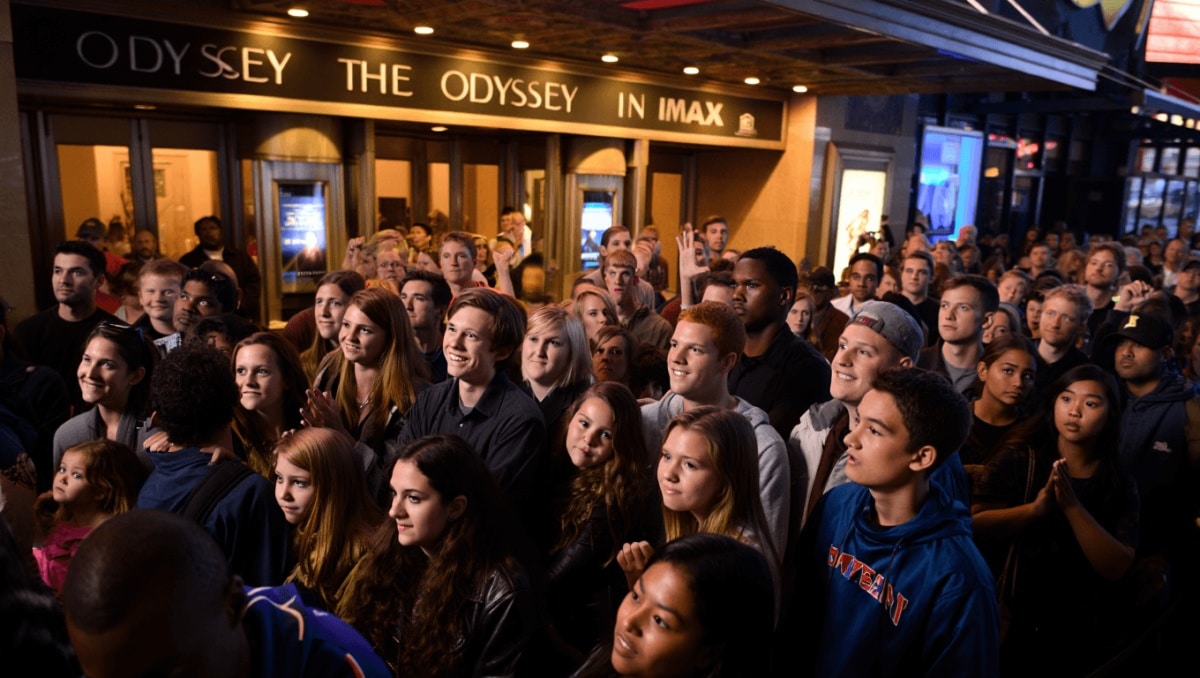
Theaters filled as Christopher Nolan’s retelling of Homer’s epic opened to thunderous sales. Audiences flocked to see “The Odyssey,” a film that turned an ancient poem into a modern cinematic event. Strong ticket numbers, packed IMAX houses and glowing reviews combined to make the weekend feel like a cultural moment.
Record Debut: Numbers That Turn Heads
The movie launched with $124.5 million domestically and $264.1 million worldwide in its first weekend. That haul makes it Nolan’s biggest global opening to date. It edged past the non-inflation benchmark set by 2012’s big comic-book finale.
Nas slams music industry over disrespect: teases new music, vows to address it
1992 vocal performances: 3 jaw-dropping moments that still amaze
- “The Odyssey” ranks among the top openings of the year.
- Only two franchise sequels outpaced it: a major toy sequel and a blockbuster game adaptation.
- Universal invested heavily — the production budget totaled about $250 million.
Why IMAX Was a Game Changer
Nolan made a bold technological bet. He filmed the whole picture with IMAX cameras. That decision reshaped how people decided where to see the movie.
IMAX sales accounted for roughly $51.8 million of opening receipts. That represented nearly a quarter of early ticket revenue. It even surpassed prior IMAX debuts for comparable markets.
- Only 41 70mm IMAX screens exist worldwide.
- Those 70mm venues alone brought in around $6.3 million.
- IMAX scheduled odd-hour showings to meet demand, including very early and very late slots.
Nolan’s Name as a Box-Office Magnet
Christopher Nolan’s reputation drove many viewers. He has built a track record with wide-ranging hits. Fans now expect spectacle and narrative ambition.
Industry analysts note Nolan’s rare ability to sell a film on directorial reputation alone. He moved audiences with dramas, sci-fi puzzles and superhero tales. Turning a three-hour, R-rated epic into a mainstream success is a further testament to that trust.
Star-Studded Cast and Storyline Appeal
The adaptation centers on King Odysseus’ long journey home after war. The ensemble includes Matt Damon at the lead and a roster of high-profile performers.
- Key cast members: Matt Damon, Tom Holland, Anne Hathaway, Zendaya, Lupita Nyong’o, Robert Pattinson, Charlize Theron and others.
- The script blends mythic battles with intimate character moments.
- Runtime and rating did not deter audiences; if anything, they signaled a serious cinematic event.
Who Saw It: Demographics and Audience Mix
Unlike many period epics, the film attracted young viewers. About half of ticket buyers were aged 18 to 34. That points to cross-generational pull.
Analysts compared the skew to other tentpoles. One recent high-profile thriller drew majority support from older age groups. “The Odyssey” bucked that trend and found a broad crowd.
Big-Screen Strategy and Early Buzz
Universal and IMAX framed the release as a theater-first experience. The campaign emphasized scale. Early prologues and promotional Imax events fueled interest long before the premiere.
- IMAX ticket sales began well in advance, selling out many formats months before release.
- Exhibitors showed extended engagements for premium formats, sometimes for weeks.
- Showtimes expanded into unconventional hours to satisfy demand.
Critical Response and Word-of-Mouth Momentum
Reviews have been overwhelmingly positive. The film earned top marks from critics and audiences alike. That strong reception translated into high CinemaScore and review-aggregate scores.
CinemaScore reported an “A” exit polling grade, and the film sits near the top on aggregate review platforms with a very high percentage. Early viewers recommended it widely, feeding a surge of repeat business.
Premium Formats and Their Revenue Impact
IMAX wasn’t the only premium venue contributing to the opening. Large-format auditoriums and premium pricing lifted per-ticket averages. Fans willingly paid more to see battles and vistas at maximum scale.
- Premium screens can add a significant percentage to weekend totals.
- Advance sales for high-priced formats outpaced standard showings in many markets.
- That dynamic helped the film reach a global audience quickly.
Market Context: How It Stacks Up
Compared to recent Nolan releases, the film opened stronger globally than any of his prior premieres. It also sits among the biggest debuts of the year, behind only two franchise sequels.
Industry watchers are tracking its hold in coming weeks. Early signs suggest a sustained run, driven by premium formats, a young-skewing audience and robust critical praise.
Key takeaways for studios and theaters
- Trusted directors can command sizable audiences across genres.
- Investment in premium exhibition pays off when the product matches the format.
- Advanced marketing tied to exclusive formats creates long lead demand.










