
Show summary Hide summary
- How orchestral textures reinvent the song
- On-stage chemistry between Korn and the musicians
- Why this hybrid feels both familiar and strange
- Reaction from fans and music critics
- Technical challenges of blending metal with symphony
- Where fans can experience the performance
- What this collaboration could mean for the genre
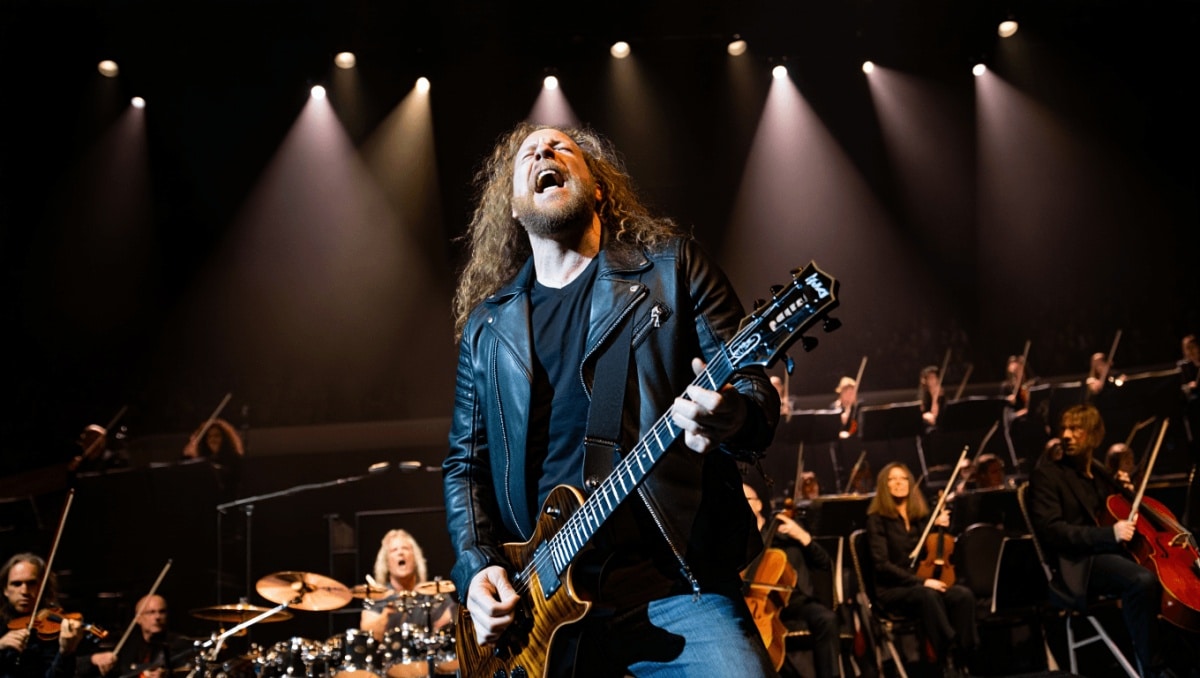
Korn’s classic “Freak on a Leash” gets a wild new coat of sound when a live orchestra joins the fray. The fusion turns familiar riffs into cinematic storms, and the song’s raw emotion feels magnified. Fans watching the performance online have called it both unexpected and thrilling, a reminder that heavy music can still surprise.
How orchestral textures reinvent the song
The string section adds depth to the track’s plucked intro. Orchestral swells push the chorus into a bigger space. Drums and brass accentuate the groove without drowning the band.
Nas slams music industry over disrespect: teases new music, vows to address it
1992 vocal performances: 3 jaw-dropping moments that still amaze
- Strings: Provide a cinematic backdrop that makes each note feel larger.
- Brass and percussion: Add punch and dynamics to the heavy parts.
- Arrangement: Keeps the song’s original aggression while layering new colors.
On-stage chemistry between Korn and the musicians
Watching the band and orchestra trade cues is fascinating. The conductor acts as a bridge. The players watch each other closely. Timing and intensity shift in real time.
Moments that stand out
- The solo guitar lines weave through violas and cellos.
- Jonathan Davis’s vocals hover over a bed of sustained strings.
- Percussion locks in with the drum kit for a thunderous payoff.
Why this hybrid feels both familiar and strange
Nu-metal relies on groove and immediacy. Orchestral music thrives on texture and tension. Together, they pull the song in two directions at once.
- Contrast amplifies emotion. Soft strings make distorted guitars feel harsher.
- Dynamic range widens. Quiet passages breathe; loud sections hit harder.
- Unexpected timbres refresh a decades-old track.
Reaction from fans and music critics
Responses have ranged from ecstatic to skeptical. Many praise the arrangement as bold. Some say the orchestral layer risks overproduction. Overall, interest is high.
- Fans: Share clips and remix ideas on social platforms.
- Critics: Note the technical skill required to sync both forces.
- Musicians: Admire the delicate balance between heaviness and finesse.
Technical challenges of blending metal with symphony
Sound engineers face several hurdles when mixing a live orchestra and a touring rock band. Clarity and balance are constant concerns. Microphone placement and monitoring are crucial.
Key production moves
- Separate submixes for strings and rhythm section to prevent masking.
- Use of click tracks to keep tempo precise across ensembles.
- Careful EQing to let each instrument occupy its own frequency space.
Where fans can experience the performance
Clips of the performance circulate on video platforms and social feeds. Official uploads and fan-shot footage both offer different perspectives. Audio-only releases may follow for streaming services.
- Look for high-quality multicam videos for the best view.
- Search official band channels for full-length uploads.
- Check music news sites for isolated stems or behind-the-scenes clips.
What this collaboration could mean for the genre
Pairings like this suggest new directions for heavy music. Orchestral arrangements can expand fanbases and invite reinterpretation. They may also encourage other bands to experiment.
- Cross-genre shows can attract classical listeners to metal.
- Recordings of such collaborations can become signature reinterpretations.
- Live performances test the practical limits of fusion on stage.










