
Show summary Hide summary
- How this AI labels music differently
- Technical approach behind the tagging model
- Performance: how accurate is the AI
- Practical benefits for platforms and creators
- Privacy and ethical considerations in music AI
- Integration paths for streaming services and apps
- Early adopters and pilot results
- Limitations and the road ahead
A new AI system for tagging music has arrived, and early signs suggest it could change how platforms and listeners find songs. Tested on diverse audio, it assigns detailed labels—genre, mood, instrumentation, and more—with surprising accuracy. That mix of precision and nuance could make playlists smarter and search results far more useful.
How this AI labels music differently
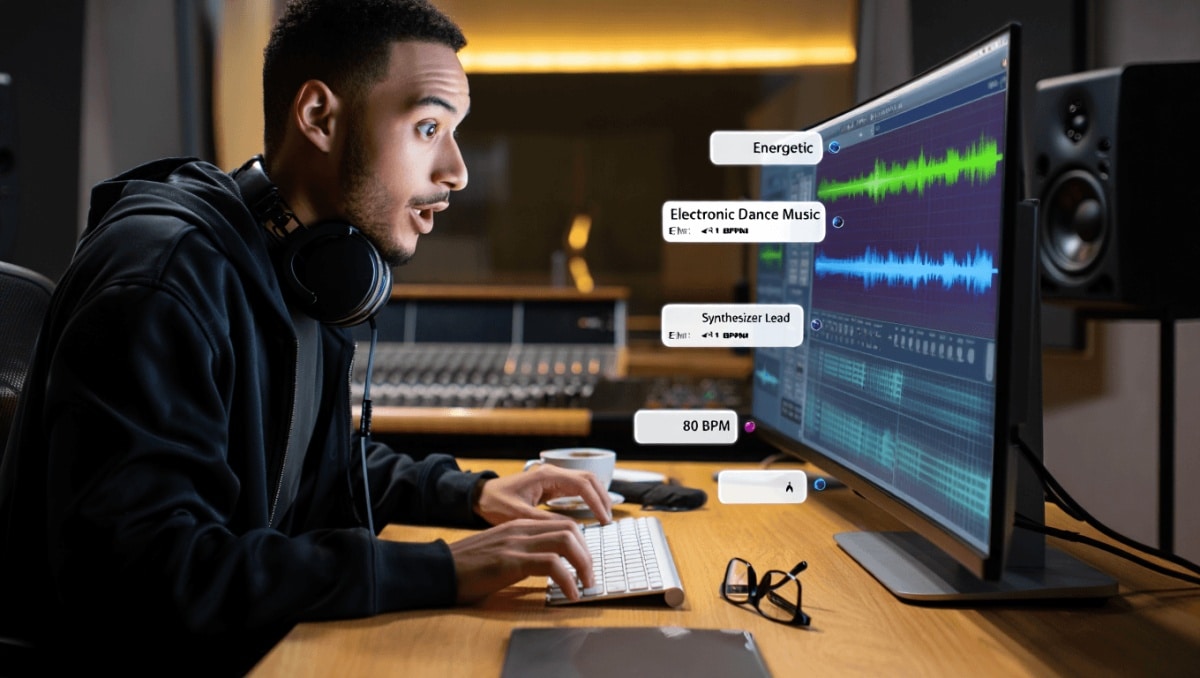
Unlike simple classifiers, the system does more than pick a single genre. It analyzes tracks on multiple levels to produce layered metadata. Developers say the model detects:
Nas slams music industry over disrespect: teases new music, vows to address it
1992 vocal performances: 3 jaw-dropping moments that still amaze
- Genres and subgenres, from pop and jazz to niche electronic styles.
- Mood and emotional cues, such as “melancholic” or “uplifting.”
- Instrumentation and production traits, like acoustic guitar, synth pads, or heavy compression.
- Tempo and rhythmic features that affect playlist placement.
Technical approach behind the tagging model
The system blends several machine-learning techniques. It uses audio embeddings, pattern recognition, and a training set drawn from labeled tracks. The architecture supports multimodal signals, so it can combine audio with textual cues.
Training data and model design
- Large datasets of labeled songs and examples from streaming catalogs.
- Augmentation methods to expose the model to varied mixes and mastering styles.
- Architecture optimized for both short snippets and full-track analysis.
Performance: how accurate is the AI
Benchmarks show the tagger matches or exceeds existing automated tools on core tasks. In many tests, it also narrows the gap with human annotations.
- Genre accuracy improves when the model outputs multiple labels.
- Mood detection benefits from contextual training examples.
- Instrumentation recognition remains strongest for dominant sounds.
Edge cases still exist. Complex fusions and heavily processed tracks can confuse the system. But iterative retraining has reduced those errors.
Practical benefits for platforms and creators
Better tagging unlocks direct gains across streaming and discovery:
- Smarter playlists that group songs by mood and texture.
- Improved search relevance for listeners and curators.
- Enhanced catalog organization for labels and rights holders.
- Faster metadata for new releases and back catalogs.
For independent artists, accurate tags can surface music to the right audiences without heavy promo budgets.
Privacy and ethical considerations in music AI
Using large audio collections raises questions. The team behind the system emphasizes transparency and permissions in their dataset choices. They also discuss risks such as bias toward well-represented genres.
- Bias mitigation requires diverse training samples.
- Careful labeling practices help avoid misclassification of cultural music.
- Clear lines about data ownership and opt-outs protect creators.
Integration paths for streaming services and apps
Platforms can adopt the tagging engine in several ways. Typical routes include batch tagging of catalogs, real-time tagging for uploads, and hybrid human-AI workflows.
Deployment options
- Cloud API for on-demand tagging of new tracks.
- On-premise models for services with strict privacy rules.
- Human-in-the-loop dashboards for curators to review and adjust tags.
Early adopters and pilot results
Beta tests with niche streaming services and radio archives have been promising. Teams report faster discovery metrics and reduced manual tagging workloads.
- Curation time dropped in pilots that used automated pre-tagging.
- Listener engagement rose where mood-based playlists were introduced.
- Smaller catalogs saw bigger relative gains in discoverability.
Limitations and the road ahead
No model is perfect. Certain styles and experimental tracks still defy neat categorization. Ongoing work focuses on:
- Expanding training sets to include underrepresented music.
- Refining multimodal signals to incorporate lyrics and metadata.
- Improving transparency so users understand why tags were applied.
Future updates aim to sharpen nuance and reduce mislabels, while opening APIs so developers can tailor tagging behavior to specific audiences.










