
Show summary Hide summary
- What the sequel changes for today’s fashion and media landscape
- Plot beats that keep the drama tight and the stakes high
- Returning leads and how they shape the film’s tone
- New cast additions and memorable cameos
- Design, music, and visual callbacks reworked for the present
- Writing, pacing, and how the sequel balances satire with heart
- What fashion fans and pop-culture followers will notice
- Viewing options and release details
Twenty years after the original film reshaped how we joke about fashion editors, The Devil Wears Prada returns with a sequel that both winks at the past and stitches itself firmly into 2026. The movie blends familiar power dynamics, sharp one-liners, and runway spectacle with social media-era stakes. If you loved the wardrobe, the barbs, or the cultural sting of the first film, this follow-up delivers a fresh, high-gloss take that wants to be both viral and stylish.
What the sequel changes for today’s fashion and media landscape
The Devil Wears Prada 2 moves the story from the pre-social web era into a world shaped by instant outrage, streaming platforms, and influencer culture. The plot centers on Andy Sachs, now a prominent journalist, who finds herself dragged back into the orbit of Runway magazine when a public scandal puts Miranda Priestly in the headlines.
Nas slams music industry over disrespect: teases new music, vows to address it
1992 vocal performances: 3 jaw-dropping moments that still amaze
The sequel reframes old conflicts around new pressures:
- Fast-fashion controversy becomes a catalyst for media meltdown.
- Public cancelation and reputation management drive editorial decisions.
- Smartphones and viral clips amplify every misstep and comeback.
Rather than a simple retread, the filmmakers treat modern journalism and fashion as battlegrounds. The narrative uses the Runway brand to interrogate ethics, performativity, and the spectacle of being “influential.”
Plot beats that keep the drama tight and the stakes high
Without giving away spoilers, the story picks up with Andy Sachs in a different place professionally. A viral moment thrusts her back into the conversation at Elias-Clark Publications, and Runway needs image control. Miranda Priestly, still imperious, faces a PR crisis tied to a fast-fashion label. That collision of past alliances and new pressures creates the film’s central tension.
The sequel pairs newsroom urgency with fashion-world absurdity. Tasks that once involved fetching coffee now include navigating cancel culture, livestreamed fundraisers, and edited narratives. The result is a satire that feels contemporary and pointed.
Returning leads and how they shape the film’s tone
Meryl Streep — Miranda Priestly
Streep returns as the aloof, ruthlessly stylish editor-in-chief. Her control is unchanged, but the targets of her disdain are updated. She reacts to late‑stage trends and corporate spin with the same icy delivery that made the original performance iconic. Her presence anchors the sequel.
Anne Hathaway — Andy Sachs
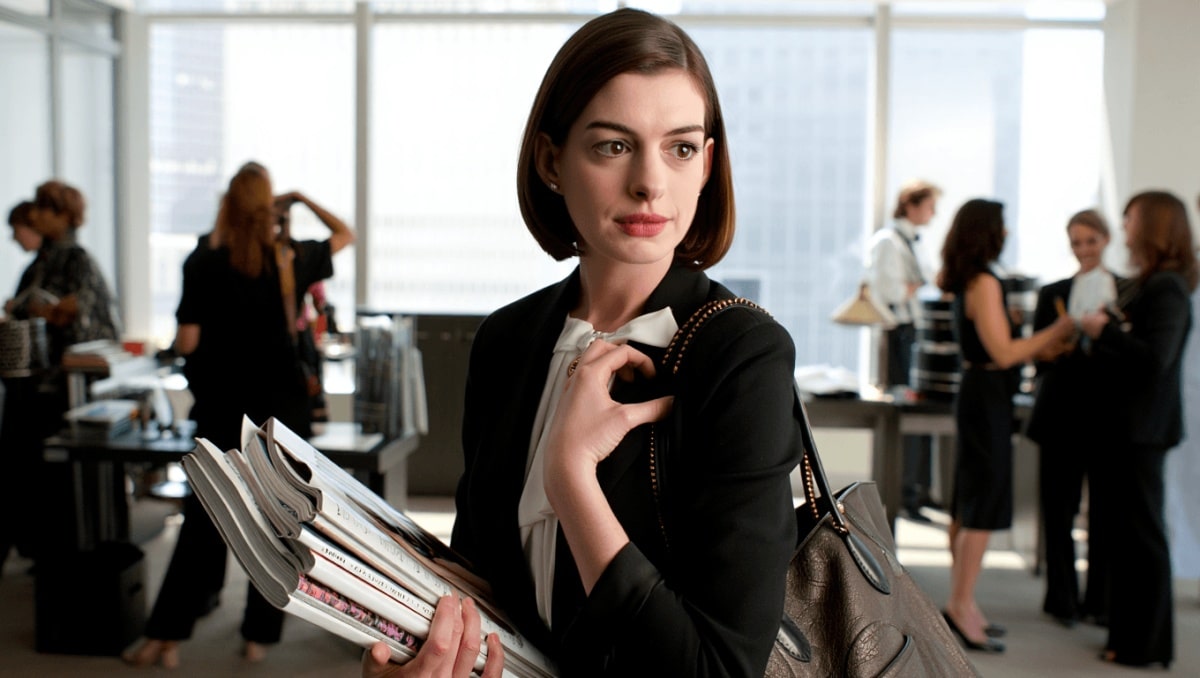
Hathaway plays Andy with layered maturity. She’s no longer the novice who mispronounces luxury brands. Instead, Andy is a public-facing journalist learning how to reconcile integrity, ambition, and the temptation of familiar power. Her chemistry with Streep adds emotional texture.
Stanley Tucci and Emily Blunt
Tucci’s Nigel returns with wry, stylish commentary. Emily Blunt’s Emily Charlton remains razor-sharp and delightfully petty. Together they keep the film’s bittersweet humor intact.
New cast additions and memorable cameos
The sequel enlarges the ensemble with younger talent and notable comic turns. Simone Ashley plays a Gen Z assistant whose savvy around social media helps steer Miranda through modern crises. Caleb Hearon and Rachel Bloom add sharp, funny moments in small but effective roles.
- Simone Ashley — Amari, Miranda’s new assistant.
- Caleb Hearon — Charlie, the beleaguered second assistant.
- B.J. Novak — a corporate heir with Succession vibes.
- Lucy Liu — a designer who resists publicity.
These performers help balance reverence for the original with contemporary commentary. The cameos are crafted to feel like nods to fashion culture, not throwaway jokes.
Design, music, and visual callbacks reworked for the present
The production leans into nostalgia but avoids being trapped by it. Costumes by Molly Rogers honor iconic looks while updating silhouettes and materials. Set design revisits Miranda’s office, but with subtle changes that reflect two decades of taste shifts.
The soundtrack moves from 2000s indie and pop to a playlist that includes modern pop and dance. Familiar musical beats reappear at key moments, but the overall soundscape signals a new era.
- Cinematography recreates signature opening patterns with fresh framing.
- Iconic props get updated to reflect smartphones and streaming culture.
- High-fashion runway sequences are more cinematic and immersive.
Writing, pacing, and how the sequel balances satire with heart
David Frankel and Aline Brosh McKenna return as director and co-writer, respectively. Their script keeps the punchy, satirical voice of the original while expanding the emotional throughlines between characters. Scenes that once read as pure workplace cruelty now carry echoes of long-term consequence.
The film’s humor lands in quick, often savage exchanges. At the same time, quieter character moments let the audience understand how loyalties have shifted over time.
What fashion fans and pop-culture followers will notice
Devotees of the original will smile at deliberate easter eggs. Filmmakers place both subtle and obvious callbacks throughout the movie, creating a sense of continuity without relying on nostalgia alone.
- Reworked visual beats from the first film’s opening sequence.
- Updated tech references replacing older phones and gadgets.
- Runway’s charity gala plays out as a modern media event.
Viewing options and release details
The Devil Wears Prada 2 released theatrically before becoming available to rent and buy online. As of now, the film can be rented or purchased through Prime Video. The sequel first reached cinemas earlier in the year, timed to capitalize on festival buzz and mainstream interest.










