
Show summary Hide summary
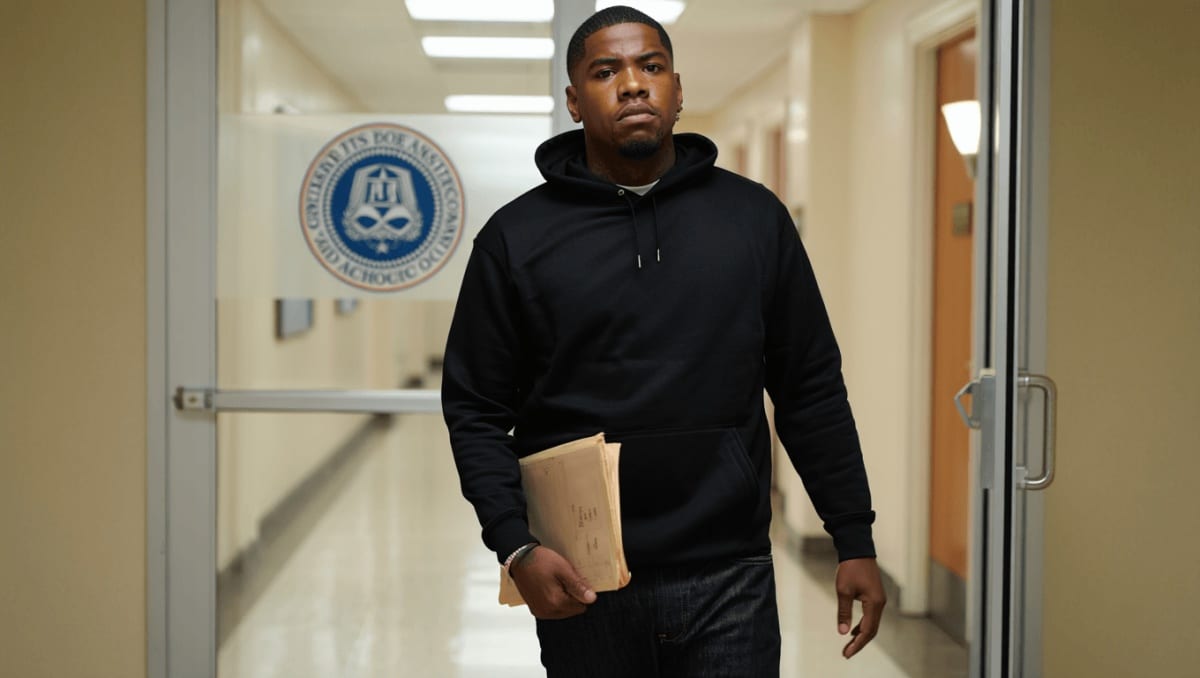
YG says he has no plans to revisit one of his most provocative tracks after a tense encounter with a federal agency. The Los Angeles rapper, whose 2016 cut became a flashpoint in political hip-hop, described the experience as unsettling and says it cooled his appetite for a direct sequel.
Why YG is stepping back from a follow-up to his controversial anthem
The song in question drew national attention when it debuted during a hot election year. Its blunt political message made it both celebrated and condemned. Now, YG says that the fallout — capped by a run-in with a federal agency — has influenced his decision.
Nas slams music industry over disrespect: teases new music, vows to address it
1992 vocal performances: 3 jaw-dropping moments that still amaze
- Artistic caution: YG indicated that he’s wary of repeating the exact tone of the original.
- Practical concerns: He cited interactions with officials that made him rethink how openly political songs might affect his life and work.
- Legacy considerations: The rapper suggested he prefers evolving his sound rather than revisiting a single fiery moment.
What the run-in with a federal agency involved
Details about the contact between YG and the federal agency remain sparse. The rapper has characterized the episode as brief but intense. He did not lay out specific accusations, but framed it as a discouraging element of the song’s aftermath.
Possible reasons the agency took notice
- High-profile political messaging that reached national media.
- Public performances and social media amplification.
- Partnered releases and collaborations that extended the song’s reach.
How the original song made waves
The track — released in the run-up to a contentious election — fused street-level detail with explicit political critique. Featuring a now-missed collaborator, it became part protest record, part cultural lightning rod.
- Chart impact and streaming success pushed it into mainstream conversation.
- Critics and pundits debated whether musicians should cross into direct political messaging.
- Supporters praised its honesty; detractors called it inflammatory.
Industry and peer reactions to YG’s decision
Within the music community, responses were mixed. Some praised YG for prioritizing personal safety and long-term strategy. Others regretted that external pressure might chill bold artistic statements.
- Fellow artists noted the reality of music intersecting with politics and law enforcement.
- Managers and labels weigh the risk and reward of overt political tracks.
- Fans voiced both disappointment and understanding on social platforms.
Why the song still matters in conversations about protest music
Regardless of a sequel, the original cut remains a case study in how rap can shift political discourse. Its influence stretches from protest playlists to academic discussions about free expression and accountability.
Key takeaways about political songs in modern rap
- They can amplify underrepresented viewpoints quickly.
- High visibility invites scrutiny from both media and authorities.
- Artists must balance message, safety, and career trajectory.
What fans can expect next from YG
YG has hinted at new music and projects that reflect growth. He appears intent on exploring different themes and production styles while keeping his voice front and center. For now, he has been clear: there will be no immediate sequel to that polarizing track.










