
Show summary Hide summary
- What the decision means for AI-generated music and royalties
- Why the streaming service took this step
- How artists and labels are reacting
- Legal landscape: Copyright, AI, and uncertain precedents
- Technical and verification challenges in identifying AI tracks
- Industry-wide implications for streaming, licensing, and discovery
- What creators and listeners should watch next
- Scenarios that could unfold in the near term
- How companies can prepare for AI-era music licensing
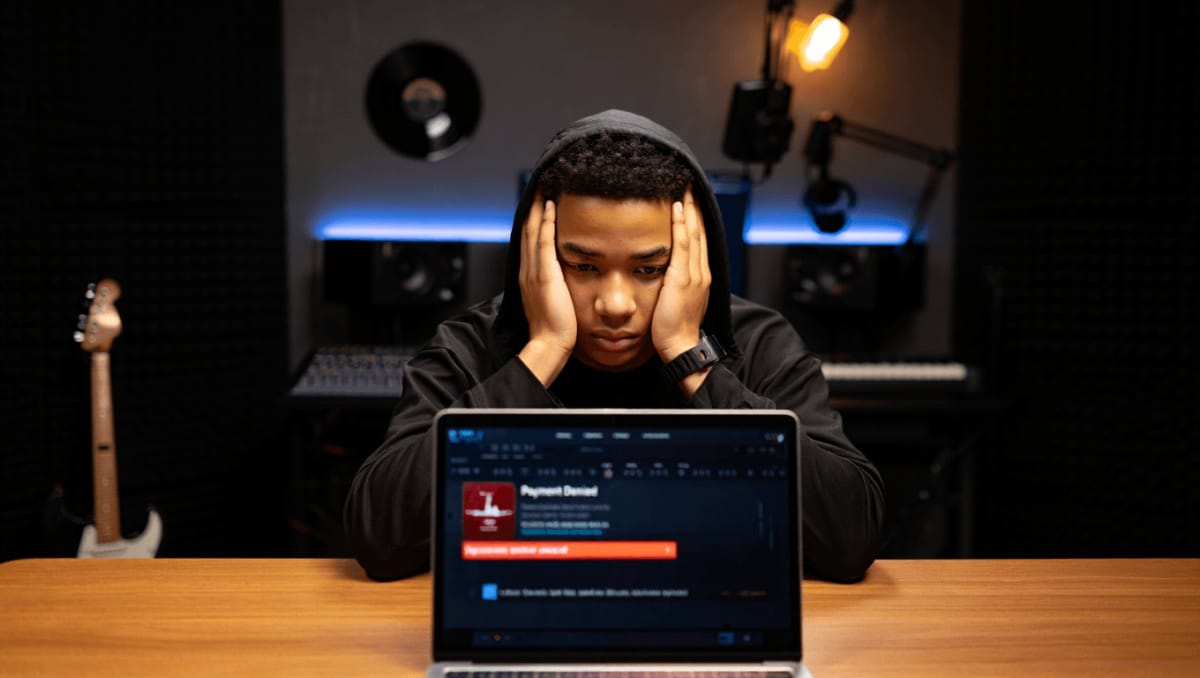
A major music streaming service has sparked a heated debate by refusing to pay royalties on tracks that are generated or assisted by artificial intelligence. The move has sent ripples through the industry, pitting tech innovation against artists’ rights and raising urgent questions about copyright, compensation, and the future of music discovery.
What the decision means for AI-generated music and royalties
The platform’s stance is clear: it will not distribute traditional mechanical or performance royalties for songs it deems created by AI or heavily AI-assisted processes. Rights holders and creators who expected payments now face uncertainty. This is one of the first high-profile examples where a streaming service has drawn a hard line on AI content and payments.
Nas slams music industry over disrespect: teases new music, vows to address it
1992 vocal performances: 3 jaw-dropping moments that still amaze
- Streams of AI tracks may be labeled differently or excluded from royalty calculations.
- Revenue sharing agreements could be renegotiated or contested.
- Metadata and provenance of a track will become critical to determine eligibility.
Why the streaming service took this step
Executives cite practical and legal concerns. They worry about identifying the true author of a piece when algorithms and datasets produce output. They also point to potential copyright exposure if AI tools replicate protected works. Cost management plays a role too. Paying royalties without clear ownership could create long-term liabilities.
Key reasons the platform gives
- Ambiguity around authorship and ownership.
- Legal risk from training models on copyrighted recordings or compositions.
- Operational challenges in verifying AI involvement at scale.
How artists and labels are reacting
Responses vary. Some independent creators welcome the clarity and fear dilution of their earnings. Others, especially those experimenting with AI tools, argue the policy punishes innovation. Major labels and rights organizations are watching closely and considering formal objections or negotiations.
- Established artists fear unpaid use of their work as training data.
- Emerging musicians worry about lost income and discoverability.
- Publishers may push for audits and clearer metadata requirements.
Many artists insist that any use of their work—human or machine-assisted—should earn compensation.
Legal landscape: Copyright, AI, and uncertain precedents
Current copyright law was written before generative AI became mainstream. Courts and lawmakers are still defining how authorship and derivative works apply to machine-assisted compositions. This streaming platform’s policy may prompt litigation and new regulatory guidance.
Possible legal flashpoints
- Whether AI outputs can be copyrighted and who holds that copyright.
- Liability for models trained on copyrighted music without permission.
- Disputes over whether human contribution is sufficient for copyright protection.
Intellectual property experts warn that early rulings could set broad precedents. What a court or regulator decides here could reshape licensing deals worldwide.
Technical and verification challenges in identifying AI tracks
Detecting AI involvement is not straightforward. Audio fingerprints can show similarities, but distinguishing intentional sampling, stylistic mimicry, or model output is difficult. Platforms will need better tools and stricter metadata standards.
- Provenance systems could log creation tools and contributors.
- Watermarking or embedded metadata may become mandatory.
- Third-party audits could verify authenticity and authorship claims.
Industry-wide implications for streaming, licensing, and discovery
The decision could trigger ripple effects across licensing ecosystems and recommendation algorithms. If AI content is monetarily sidelined, platforms may also change how they promote such tracks. That, in turn, affects listener exposure and artist growth.
- Playlists could exclude or de-prioritize AI-generated tracks.
- Labels may demand clearer contract clauses about AI usage.
- Smaller platforms could follow suit or position themselves as AI-friendly alternatives.
What creators and listeners should watch next
Artists should document their creative process and insist on transparent metadata. Rights holders may seek collective bargaining or lobby for legislative protections. Listeners can expect more labels and disclosures about how music is made.
- Check platform policies before uploading or monetizing AI-assisted music.
- Preserve drafts and session files to support authorship claims.
- Watch for new industry standards on AI provenance and payments.
Scenarios that could unfold in the near term
Several outcomes are possible. The platform might revise its policy after pushback. Lawmakers could impose disclosure or payment rules. Or the industry may move toward technical fixes like universal metadata and blockchain-style provenance.
- A negotiated framework where AI tracks receive partial or different royalties.
- Litigation that clarifies copyright for machine-assisted works.
- Technical standards making AI provenance verifiable and enforceable.
How companies can prepare for AI-era music licensing
Rights holders and platforms should invest in metadata, legal strategies, and transparent artist agreements. Collaboration between tech providers, labels, and regulators will be key to balancing innovation with fair pay.
- Adopt strict metadata and provenance reporting.
- Negotiate clear contract terms on AI tool usage.
- Support industry-wide standards to reduce disputes.










