
Show summary Hide summary
- When pop culture becomes a classroom: Cardi B’s unexpected role
- Viral clips that reshaped the conversation on U.S. history
- Which historical blind spots she brought up
- Why celebrities teaching history matters for search and discovery
- Educators’ reactions: challenge or opportunity?
- How to turn a viral moment into a learning opportunity
- The bigger lesson: civic literacy in the age of influencers
- Resources for readers curious to dig deeper
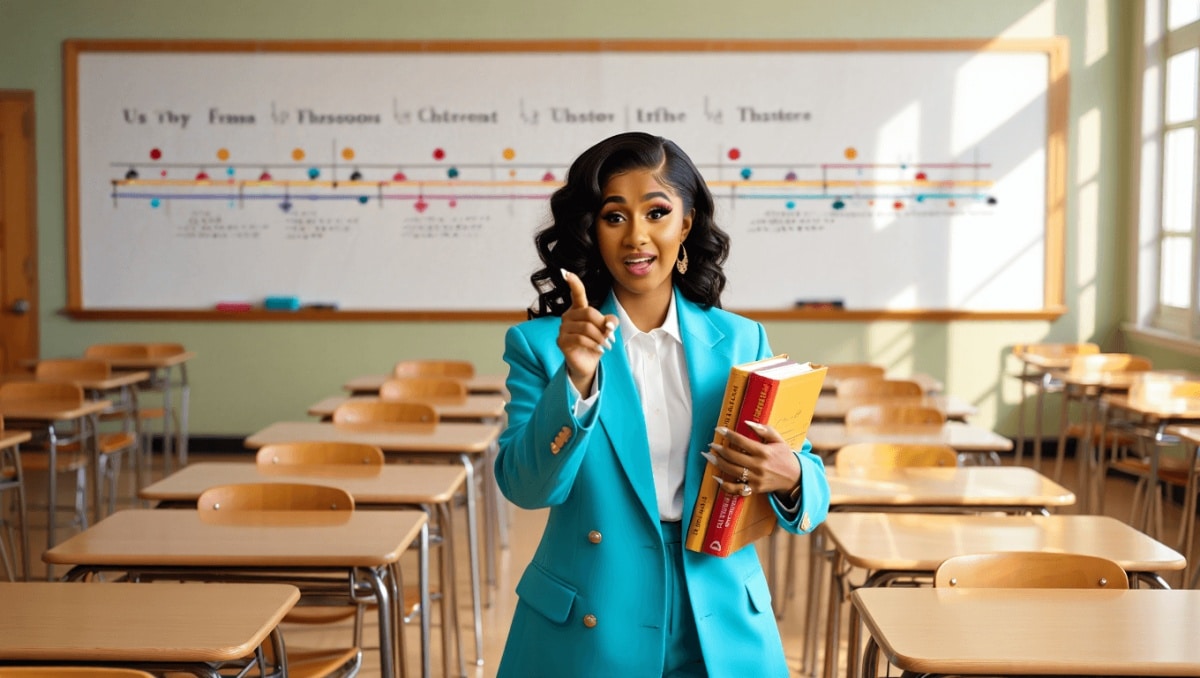
Cardi B surprised millions when she used her platform to challenge how we talk about the past. Her blunt, street-smart explanations cut through textbook fog and sparked conversations about overlooked chapters of U.S. history. The result: a viral cultural moment that forced teachers, parents, and newsrooms to ask why popular understanding of history can be so fragile.
When pop culture becomes a classroom: Cardi B’s unexpected role
The rise of social media has blurred lines between celebrity and civic educator. Cardi B turned casual interviews and social posts into teachable moments. Fans noticed how she corrected simplified myths and brought attention to painful, ignored truths.
Nas slams music industry over disrespect: teases new music, vows to address it
1992 vocal performances: 3 jaw-dropping moments that still amaze
- She used plain language that reached people who tune out formal lectures.
- Her clips spread fast, landing in feeds, group texts, and classroom discussions.
- That accessibility made complex topics easier to discuss publicly.
Viral clips that reshaped the conversation on U.S. history
Certain short videos did more than entertain. They exposed gaps in collective memory about slavery, colonization, and civil rights. Those snippets became entry points for deeper research.
- Viewers praised the straightforward framing of sensitive topics.
- Many teachers used the moments to spark classroom debates.
- Critics debated whether celebrities should interpret history.
Which historical blind spots she brought up
Her remarks highlighted recurring omissions in school curricula. These are themes that often receive rushed treatment in classrooms.
- Colonial impact: How settler narratives obscure Indigenous suffering and resistance.
- Slavery: The economic and social systems that shaped modern America.
- Reconstruction and its rollback: Why a brief period of political progress matters.
- Civil rights and systemic barriers: The long arc of legal change and social struggle.
- Commemorations: Why holidays and monuments can frame or distort history.
Why celebrities teaching history matters for search and discovery
When a public figure speaks plainly, search behavior shifts. People type questions into search engines. Newsrooms chase the trend. That surge widens the conversation about what gets taught.
- Increased searches drive new articles and resources.
- Educational sites optimize content for trending queries.
- Teachers adapt lessons to match student curiosity.
How SEO and social buzz reinforce one another
Short, shareable posts and search engine queries feed each other. A viral clip can push a forgotten topic back into mainstream coverage. That loop helps people discover primary sources, museum exhibits, and scholarly work they might otherwise miss.
Educators’ reactions: challenge or opportunity?
Reactions from the education community were mixed but engaged. Some educators saw a chance to update lessons. Others worried about oversimplification. Most agreed on one point: public interest opens doors for better teaching.
- Some teachers used viral moments to introduce primary documents.
- Districts faced pressure to revisit curricula and textbooks.
- Professional development programs saw demand for training on inclusive history.
How to turn a viral moment into a learning opportunity
Not every trending clip should be the final word. But it can be a starting point for structured learning. Here are practical ways to convert curiosity into knowledge.
- Cross-check claims with reputable sources and archives.
- Assign primary-source readings to provide evidence-based context.
- Create class debates that examine multiple perspectives.
- Invite local historians or community leaders for guest sessions.
The bigger lesson: civic literacy in the age of influencers
Cardi B’s episodes show a deeper truth. Public figures can prompt important questions when institutions fall short. That dynamic reveals both the power and the limits of personality-led education.
At stake is more than memory. It’s about how citizens understand governance, rights, and shared responsibility. When viral voices nudge the public toward neglected history, the result can be messy but illuminating.
Resources for readers curious to dig deeper
If a short clip sparked your interest, follow up with reliable materials. Look for primary documents, museum collections, and university publications. Local archives often hold overlooked stories.
- National and state historical societies
- Online archives and digital libraries
- Peer-reviewed history journals
- Educational nonprofit lesson plans










