
Show summary Hide summary
- What the teaser reveals about tone and focus
- Jeremy Strong’s vocal approach: mimicry or transformation?
- Online reaction: praise, skepticism, and viral moments
- Why this sequel matters to film and tech audiences
- Production context and creative team
- What the teaser suggests about narrative direction
- Marketing strategy and release signals
- Key takeaways for viewers and industry watchers
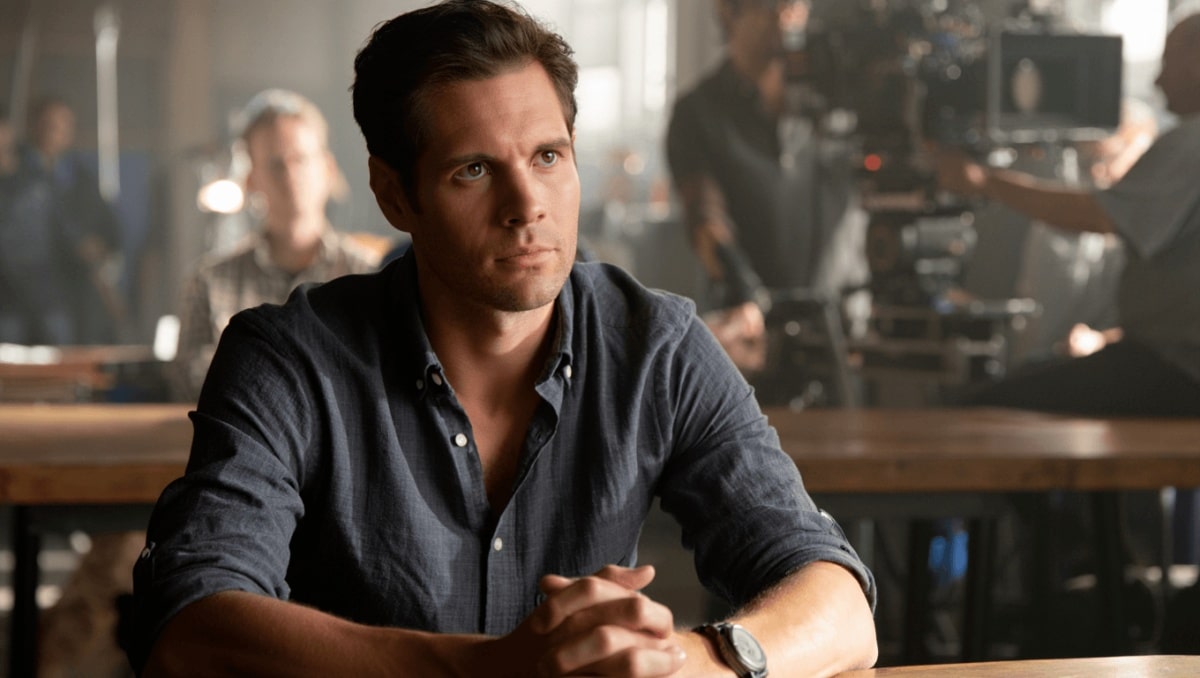
The newly released teaser for The Social Reckoning dropped a jolt into the internet: Jeremy Strong channels a chilling, measured take on Mark Zuckerberg’s mannerisms and voice. Clips and reaction threads swirled within minutes, and the short preview has already become a talking point for film fans and tech observers alike.
What the teaser reveals about tone and focus
The teaser runs brief but striking. It avoids spectacle and leans into dialogue and small gestures. Close-ups and muted lighting hint at an intimate, tense drama rather than an effects-driven spectacle.
Nas slams music industry over disrespect: teases new music, vows to address it
1992 vocal performances: 3 jaw-dropping moments that still amaze
- Brief exchanges centered on power and control.
- Shots of boardroom tension and private conversations.
- Subtle sound design that foregrounds voice over music.
Jeremy Strong’s vocal approach: mimicry or transformation?
Strong’s portrayal is not a caricature. He adopts a clipped cadence and restrained emotional range that listeners immediately associated with Zuckerberg.
The performance balances imitation with interpretation. Rather than copying every tick, Strong chooses to suggest a psyche through pacing and silence.
This is acting that aims for truth, not mimicry alone.
How voice work shapes the character
- Controlled intonation creates a sense of detachment.
- Pauses and breath patterns provide subtext.
- Minimalist delivery intensifies off-screen implications.
Online reaction: praise, skepticism, and viral moments
Social feeds split within hours. Many hailed Strong’s performance as unnervingly accurate. Others questioned whether mimicry overshadowed nuance.
- Fans applauded the vocal precision and mannerisms.
- Critics debated the ethics of closely imitating a living public figure.
- Memes and soundbites spread rapidly across platforms.
Notable responses from critics and audiences
Trade outlets called the teaser “compelling.” Independent reviewers praised the subtlety of the voice work. At the same time, some commentators warned against conflating impression with biography.
Why this sequel matters to film and tech audiences
The Social Reckoning positions itself as a continuation of themes first explored in The Social Network. But it appears to dig deeper into public accountability and the consequences of digital power.
Expect a narrative that interrogates influence, privacy, and industry culture.
Production context and creative team
Insiders say the sequel brings back several key creatives while introducing new voices. The teaser hints at a mix of investigative drama and personal portraiture.
- Director and writers: a blend of returning and fresh talent.
- Cinematography aims for intimate framing and cold palettes.
- Score and sound design emphasize silence and spoken word.
What the teaser suggests about narrative direction
Scenes imply legal battles, media scrutiny, and inner conflicts. The film may explore how tech leadership affects public life and private relationships.
- Corporate decision-making under pressure.
- Media narratives shaping public perception.
- Personal costs of intense scrutiny.
Marketing strategy and release signals
The teaser feels calculated to spark debate and viral coverage. Short, provocative clips are designed to live on social platforms and news cycles.
- Strategic timing aligns with major tech news windows.
- Teaser length encourages repeat viewing and sharing.
- Soundbites are crafted for clips and commentary segments.
Key takeaways for viewers and industry watchers
Jeremy Strong’s vocal performance is the immediate headline. But the teaser also signals a film that aims to probe broader issues about tech and accountability.
As more footage and interviews appear, both cinematic and factual interpretations will intensify.










