
Show summary Hide summary
- How a teenage spark becomes a haunting
- Possession as metaphor: homophobia turned supernatural
- Visual and sonic craft that heightens dread and longing
- Performances anchor the film’s intensity
- Echoes of familiar genre hits, but with a queer lens
- The film’s themes and who should watch it
- Practical details: release and viewing
Leviticus drops into the small-town drama of first love and turns it into a chilling study of faith, desire, and violence. The film blends tender moments between two teenage boys with a creeping supernatural menace, asking whether the true threat comes from a demon — or from the community that reviles them.
How a teenage spark becomes a haunting
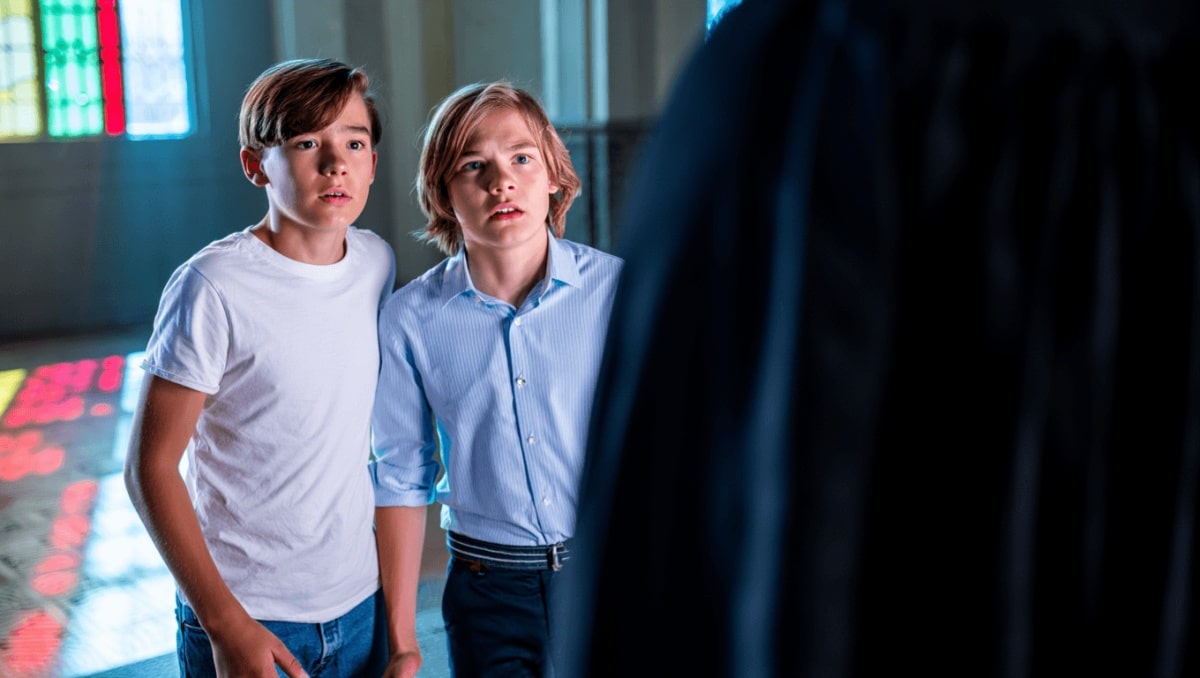
Naim arrives in a conservative, devout town and finds himself noticed by Ryan, a confident blonde with an inviting smile. Their afternoon together moves quickly from flirtation to a breathless make-out session in an abandoned mill.
Nas slams music industry over disrespect: teases new music, vows to address it
1992 vocal performances: 3 jaw-dropping moments that still amaze
Soon after, a church-sanctioned “deliverance” ritual targets Ryan and another boy. Before long, Naim is pulled into the same ordeal. After the ceremony, both boys are stalked by figures that appear to be their lovers.
- Only the afflicted can see the stalkers.
- A kiss becomes a trigger: intimacy turns into violent attack.
- Authorities and family members refuse to believe the boys’ accounts.
The film centers on Naim’s isolation. His mother — played by a producer of the film — is grief-stricken and skeptical. The town’s denial leaves him alone to question whether the person he wants to trust is himself, or something wearing his lover’s face.
Possession as metaphor: homophobia turned supernatural
The title references a Biblical book that has historically been used to condemn queer people. Rather than preaching, the movie reframes that condemnation as the source of terror.
Leviticus treats institutional homophobia as the real monster. The ritualized exorcism is less about sin and more about community control. When fear of queer desire is weaponized, intimacy becomes dangerous.
The film never fully spells out the creature’s rules. That ambiguity keeps the threat unsettling. Viewers are left to decide whether they are watching a literal demon or the murderous consequences of enforced conformity.
Visual and sonic craft that heightens dread and longing
Cinematography bathes the town in soft pastels. Streets and houses look gentle, almost idyllic, yet menace lurks behind this calm palette. Close-ups favor Naim’s perspective, so the audience experiences desire and fear at once.
The score uses sparse percussion and thudding tones to echo a pulse racing down an empty corridor. Sound and image work together to make ordinary spaces feel unsafe.
Filmmaking choices that stand out
- Point-of-view editing keeps reality uncertain.
- Color design contrasts warmth with oppressive dread.
- Sound cues build tension rather than rely on jump scares alone.
Performances anchor the film’s intensity
Director Adrian Chiarella makes a striking feature debut. He leans on the leads to carry the film’s emotional and horror beats.
- Joe Bird plays Naim with a raw vulnerability. His gaze shifts between longing and alarm. The character’s small physical stature amplifies his fragility.
- Stacy Clausen inhabits both the charming Ryan and the terrifying double. One version invites, the other rends. The switch between lover and menace is unnerving.
- Mia Wasikowska appears as Naim’s mother, a grieving parent who struggles to see the danger her son describes.
The actors’ chemistry and the duel roles heighten the film’s stakes. When tenderness and threat overlap, the viewer is left off-balance.
Echoes of familiar genre hits, but with a queer lens
Audiences may recognize similarities to films about transmitted curses and stalking entities. Yet Leviticus flips that idea by making the monster look like what the protagonist desires.
Where other horror titles use grotesque apparitions to repulse, this film asks the harder question: what if the thing that follows you is also the face you long for?
The film’s themes and who should watch it
Leviticus interrogates religious trauma, community violence, and the cost of hiding love. It does not offer tidy answers or neat exorcisms.
Expect a movie that is both frightening and tender. It centers queer joy even as it exposes the brutal pressures that seek to erase that joy.
Practical details: release and viewing
Leviticus is an Australian horror debut from writer-director Adrian Chiarella. It blends supernatural chills with intimate drama and is scheduled to open in theaters on June 19.










