
Show summary Hide summary
- From basement shows to wider recognition: a musician’s path
- Musical voice and influence on screamo guitar work
- Band history and notable projects
- Community response and tributes online
- What is known about the circumstances
- How his work is being preserved and shared
- Voices from the scene: peers reflect on impact
- Where to find his recordings and archives
- Ongoing conversations about the genre’s culture
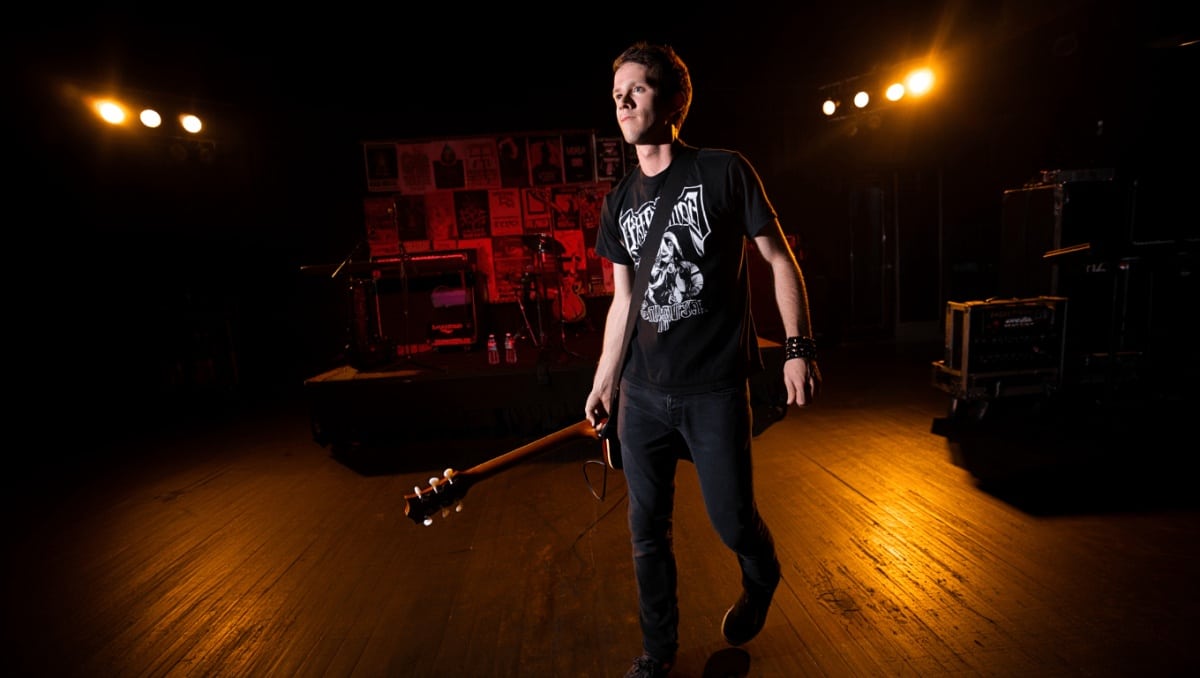
Zach Roach, a guitarist long associated with the screamo and post-hardcore underground, has died, sending waves through the scene he helped shape. Known for volatile riffs and a fierce DIY ethic, Roach’s passing was met with shock from fans, collaborators, and newer bands who cite his work as formative.
From basement shows to wider recognition: a musician’s path
Roach began playing in the late 1990s. He moved quickly from local basement shows to touring circuits that connected North American and European screamo communities. His career blended short, intense releases with sporadic festival appearances.
Nas slams music industry over disrespect: teases new music, vows to address it
1992 vocal performances: 3 jaw-dropping moments that still amaze
- Early years: formative DIY performances and tape trades.
- Growth: small-label releases that reached niche audiences.
- Legacy acts: later projects that revisited and expanded earlier sounds.
Musical voice and influence on screamo guitar work
Roach’s guitar style balanced dissonant chords with sudden melodic shifts. He favored dynamic arrangements that put emotional intensity before technical showmanship.
Key characteristics of his playing
- Sharp, treble-forward riffs that cut through noisy mixes.
- Sudden tempo changes that heightened tension.
- Use of feedback and texture as an instrument.
Many younger guitarists cite his records as blueprints for combining raw feeling with controlled chaos. His approach helped redefine how guitar roles functioned in the genre.
Band history and notable projects
Across multiple lineups, Roach worked with a cast of underground musicians. His projects often emphasized collective energy and limited-edition releases.
- Short-run EPs and splits with peer bands.
- Regional tours and festival slots that built a cult audience.
- Occasional reunions that attracted renewed interest.
Community response and tributes online
News of Roach’s death spread quickly through social feeds. Fellow musicians, promoters, and longtime fans shared memories and photos of shows, rehearsals, and late-night conversations.
- Band accounts posted statements expressing shock and grief.
- Promoters and venues recalled his generosity and intensity.
- Fans organized playback threads to revisit live recordings.
Many messages stressed his influence on emerging artists and remembered him as an essential figure in the DIY circuit.
What is known about the circumstances
At the time of reporting, few official details about the cause of death were public. Statements from close friends and collaborators urged respect for the family’s privacy while acknowledging the loss to the music world.
- Band statements confirmed the death but offered limited specifics.
- Organizers asked supporters not to speculate online.
- Plans for any public memorial were described as provisional.
How his work is being preserved and shared
Following his passing, labels and peers began curating recordings and outtakes for reissue. Fans also collected live tapes and bootlegs to keep his performances accessible.
Ways people are honoring his records
- Represses of seminal EPs on vinyl and cassette.
- Curated playlists highlighting different eras.
- Benefit shows and online fundraisers to support family or archives.
Collectors and labels are emphasizing authenticity by restoring liners and notes that show the context of each release.
Voices from the scene: peers reflect on impact
Musicians who shared stages with Roach described him as both uncompromising and deeply collaborative. He pushed bands to explore quieter dynamics as much as he did the furious climaxes screamo is known for.
- Peers credit him for mentoring up-and-coming players.
- Promoters remember his insistence on fair treatment for touring bands.
- Fans note the comfort his music offered during intense moments.
Where to find his recordings and archives
Roach’s discography remains available through independent labels and dedicated community sites. Streaming services host select releases, while specialty shops supply physical copies.
- Independent labels’ band pages and Bandcamp storefronts.
- Archive sites that catalog underground releases.
- Local record stores known for carrying niche punk and hardcore pressings.
Ongoing conversations about the genre’s culture
The reaction to Roach’s death sparked renewed discussion about the pressures faced by artists in underground scenes. Conversations focused on mental health, touring strains, and community care.
- Calls for better support networks for touring musicians.
- Resource-sharing threads for mental health and financial aid.
- Community-led initiatives to document scene history responsibly.










