
Show summary Hide summary
- How a basement sound sparked a cultural shift
- Recording story and production details
- Tracks that captured attention and shaped playlists
- Early reception and gradual rise
- Why this album matters to grunge history
- Commercial arc: From indie cult favorite to wider recognition
- Voices that remember the moment
- Where the songs live now and how they’re heard
June 15, 1989, marked the arrival of an album that helped shape a generation of heavy music. Emerging from Seattle’s murky club scene, this raw, uncompromising record would become a cornerstone of grunge and launch a band toward global fame. Its rough edges and urgent energy still echo in rock playlists and documentaries today.
How a basement sound sparked a cultural shift
The record was recorded quickly, cheaply, and with a clear vision: capture the band’s live intensity. Released by an indie label deeply embedded in the local scene, the album carried the abrasive textures and dark melodies that came to define grunge.
KATSEYE postpones another concert: illness details remain undisclosed
Cupertino: a stylish legal drama packed with tech twists
What made it stand out was the contrast between stripped-down production and memorable songwriting. The group mixed punk’s immediacy with sludgy guitars and hook-driven choruses. The result felt both familiar and new.
Recording story and production details
Studio sessions were brief and focused. The producer favored a live approach. That decision preserved the band’s raw dynamics and left little polish on the final cuts.
- Location: A Seattle studio known for working with underground acts.
- Budget: Extremely modest, reflecting the independent nature of the project.
- Approach: Quick takes, minimal overdubs, emphasis on power and texture.
Band lineup and roles
- Lead singer and guitarist — the primary songwriter.
- Bassist — contributed to the melodic backbone and low-end drive.
- Drummer — delivered punched rhythms that ranged from restrained to ferocious.
Tracks that captured attention and shaped playlists
The album combined original songs with a standout cover that hinted at the band’s wide influences. A few tracks would later be revisited, reinterpreted, or elevated by the band’s growing fame.
- Bold, riff-driven opener: Sets the tone with a heavy, immediate attack.
- Mid-album gem: Marries melody with bleak, incisive lyrics.
- Cover track: Reworked into a grunge template and embraced for its raw energy.
Early reception and gradual rise
Initial reviews were mixed but curious. Fans of underground rock gravitated to the record, while mainstream outlets were slower to notice. Still, the album made waves within the Pacific Northwest scene.
When the band later broke into the mainstream, interest in this early work surged. Reissues and renewed media coverage introduced the album to new listeners and cemented its status among genre landmarks.
Why this album matters to grunge history
Music historians and fans often point to this release as a key moment. It crystallized a sound that other bands in the region adopted and adapted. The record also showed how independent labels and tight-knit scenes could produce music with mass cultural impact.
- Authenticity: It prioritized emotional truth over studio sheen.
- Influence: Later acts cited it as a model for torque and mood.
- Legacy: Songs from the album became part of the broader grunge canon.
Commercial arc: From indie cult favorite to wider recognition
At first, sales were modest. The record found its audience in clubs and college radio. As the band’s profile grew, catalog sales climbed and the album found its way onto more shelves.
Labels and retailers later repackaged the album for new markets. Collectors prize early pressings. New listeners discover it through streaming platforms and box sets.
Voices that remember the moment
Musicians, journalists, and fans who lived through the era often describe the album as a turning point. Their memories highlight the atmosphere of Seattle clubs and the sense that something large was unfolding.
- Bandmates recall the urgency in the studio.
- Producers speak of a do-or-die recording ethic.
- Scene veterans cite the record when tracing grunge’s rise.
Where the songs live now and how they’re heard
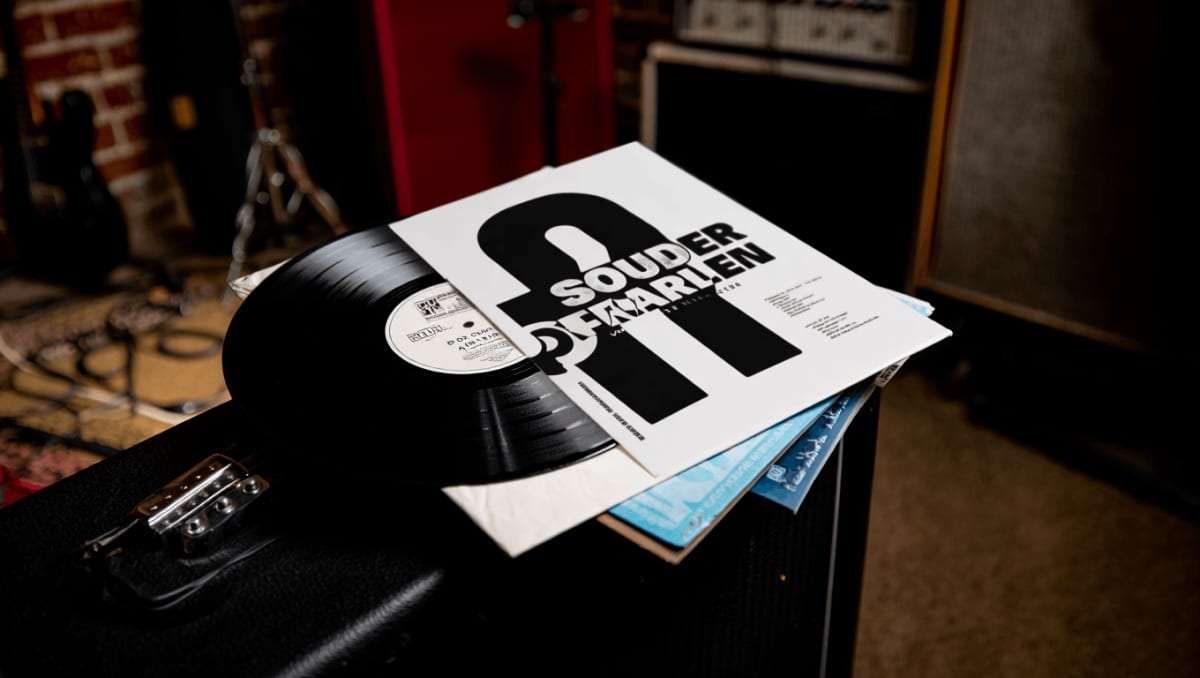
Today the album is available on major streaming services and in several physical formats. Curated playlists frequently include its key tracks when presenting grunge or late-80s alternative rock. Vinyl pressings remain popular among collectors.
For listeners wanting context, documentaries and retrospective articles place the album within the larger story of Seattle’s music scene. That background helps new fans understand its sonic and cultural importance.










