
Show summary Hide summary
- Rethinking the role: why he prefers producer and director
- How his creative process resembles filmmaking
- Practical steps he takes in the studio
- Why he still calls himself a rapper
- How listeners and critics respond
- Implications for other artists and the industry
- Where this fits in his catalog and future work
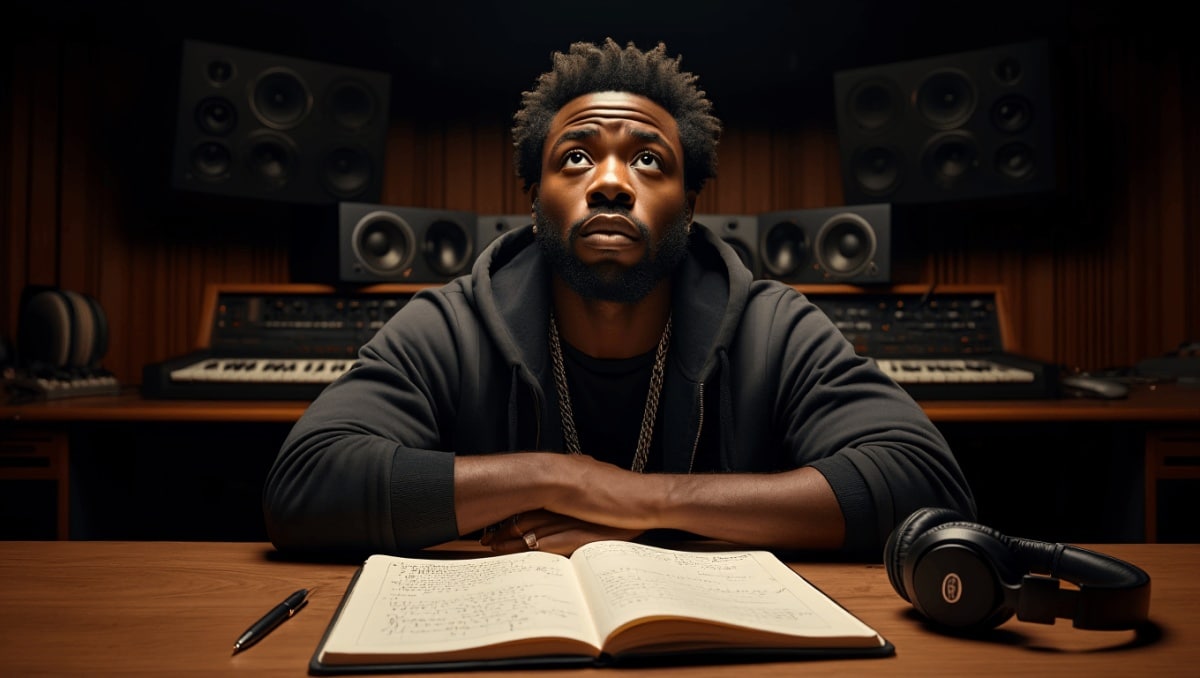
Isaiah Rashad has reshaped how fans think about the modern rapper. In recent conversations, he described feeling more like a producer and director than a traditional MC. That perspective reshuffles what creative control looks like in hip-hop and explains the cinematic feel of his albums.
Rethinking the role: why he prefers producer and director
Rashad’s description of his role goes beyond beat selection. He sees the studio as a film set. He arranges mood, pacing, and texture. Lyrics are part of a larger vision.
KATSEYE postpones another concert: illness details remain undisclosed
Cupertino: a stylish legal drama packed with tech twists
- Atmosphere first: He crafts soundscapes before polishing verses.
- Scene-building: Songs function like scenes in a movie.
- Guiding collaborators: He directs features and engineers toward a unified result.
How his creative process resembles filmmaking
He talks about sequencing tracks like editing a film. Transitions, tension, and release are deliberate. This method affects every decision.
Storyboarding a record
Sessions begin with a concept. Beats and samples are selected to match an emotional arc. He then layers ideas until the narrative is clear.
Directing performances
Guest artists are invited into a scene, not just a verse. Rashad shapes delivery, tone, and placement to serve the whole.
Practical steps he takes in the studio
His approach is hands-on and managerial. He balances technical choices with artistic ones.
- Choose sonic palette and tempo that fit the concept.
- Map the tracklist for emotional progression.
- Give collaborators specific directions, not open-ended requests.
- Mix and edit with narrative flow in mind.
Why he still calls himself a rapper
Despite the director label, he writes most of the scripts. Lyrics remain essential. The difference is perspective.
- His words anchor the scenes.
- Rapping becomes narration, not only performance.
- He balances voice and vision.
How listeners and critics respond
Fans notice cinematic textures and cohesive albums. Critics point to thoughtful sequencing and mood control.
The result is music that feels like an experience, rather than a collection of singles.
Implications for other artists and the industry
Rashad’s stance invites peers to claim broader creative roles. Producers, rappers, and directors can overlap.
- More artists may oversee visuals, mixing, and narrative.
- Labels might promote albums as multimedia projects.
- Listeners may expect cohesive artistic statements again.
Where this fits in his catalog and future work
The approach explains the mood shifts across his releases. It also sets expectations for future projects.
Fans can anticipate records that prioritize story and atmosphere. Each release may arrive as a curated journey.










