
Show summary Hide summary
- How a Brooklyn Dynamo Rewired Southern Rap Performance
- Key stylistic moves that made the transfer possible
- Deconstructing a Southern classic influenced by Busta’s approach
- Production choices that bridged two coasts
- The cultural ripple: live shows, remixes, and radio
- Why that cross-pollination mattered for Southern hip-hop’s rise
- Signatures to listen for when tracing Busta’s echo
- How that singular Southern record helped normalize the hybrid sound
- Elements producers still use today that trace back to that exchange
- How listeners and critics responded to the hybrid sound
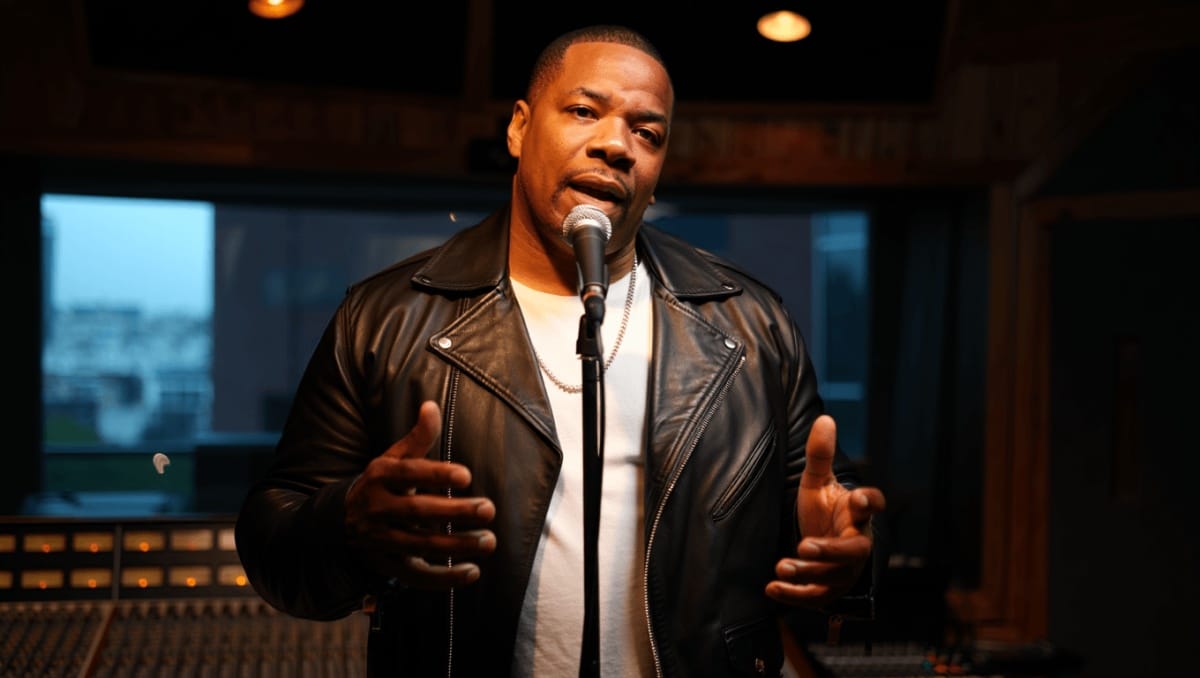
Busta Rhymes’ explosive voice and kinetic delivery reshaped how rappers think about energy on a track. That influence traveled far beyond New York, seeping into Southern hip-hop and helping shape at least one landmark Southern record that changed the region’s sound and national profile.
How a Brooklyn Dynamo Rewired Southern Rap Performance
Busta Rhymes arrived in the 1990s with a style built on breath control, staccato cadences, and dramatic tonal shifts. These traits were not limited to East Coast records. Southern artists heard and adapted the approach, fusing Busta’s urgency with regional rhythms and themes. The result was a hybrid vocal energy that felt both local and explosive on the national stage.
Vocal fireworks meet Southern grooves
Nas slams music industry over disrespect: teases new music, vows to address it
1992 vocal performances: 3 jaw-dropping moments that still amaze
- Busta’s rapid-fire runs taught artists to use pace as an instrument.
- His theatrical ad-libs encouraged bigger, more memorable hooks.
- Producers paired that vocal intensity with slower Southern drums for contrast.
Key stylistic moves that made the transfer possible
Producers and MCs did not copy Busta note for note. They translated the effect of his style into Southern idioms. Three elements stand out.
- Dynamic pacing: Switching from measured verses to explosive refrains increases impact.
- Textured ad-libs: Short, rhythmic shouts or screams add punctuations that cut through heavy bass.
- Arrhythmic accents: Syncopated vocal hits over laid-back beats create tension and release.
These moves allowed Southern performers to sound larger than the track while keeping the laid-back, bass-heavy foundation that defined the region.
Deconstructing a Southern classic influenced by Busta’s approach
When you listen closely to certain Southern anthems, you can hear the imprint of a brash, animated voice shaping performance choices. The pattern is consistent:
- Verses that ride the beat with controlled calm.
- Pre-choruses that build in intensity through repetition.
- Choruses that erupt into high-energy chants or shouted lines.
Producers exploited that contrast. They used sparse instrumentation in verses so a sudden vocal outburst felt seismic. That method turned moments of bravado into communal singalongs at shows and on the radio.
Arrangement techniques inspired by cross-regional listening
- Dropouts before climactic lines make the voice the focus.
- Layered backing vocals amplify the main melody and ad-libs.
- Tempo shifts and half-time beats let performers stretch syllables for effect.
Production choices that bridged two coasts
Southern production often prioritized heavy low end and room for groove. When Busta’s influence arrived, producers adapted without abandoning the region’s sonic identity. They introduced elements that complemented animated vocalists.
- Clear headroom for explosive vocal takes.
- Subtle percussive fills that answer vocal exclamations.
- Strategic silence to make eruptions more impactful.
This tradeoff preserved the hypnotic sway of Southern beats while allowing for dramatic vocal statements.
The cultural ripple: live shows, remixes, and radio
Busta Rhymes’ larger-than-life persona also influenced performance culture. Southern artists began to craft moments engineered for crowds to respond. That had measurable effects.
- Live arrangements were tightened to create call-and-response sections.
- Remixes added guest verses with over-the-top deliveries.
- Radio edits emphasized the high-energy parts to boost listener recall.
The performance became as important as the lyric. DJs and promoters favored tracks that could dominate a club or stadium, and songs that borrowed from an animated, assertive vocal style fit that bill.
Why that cross-pollination mattered for Southern hip-hop’s rise
The South was already developing a distinct identity. Infusing tracks with more theatrical deliveries helped southern records break into mainstream playlists. The technique made songs instantly recognizable and shareable.
- Instant hooks increased replay value.
- Distinct vocal moments made songs viral in the era of mixtapes.
- Iconic live moments turned records into cultural events.
Artists and producers adapted rather than imitated
The key to success was adaptation. Southern creators absorbed the intensity and recontextualized it. They emphasized local themes—neighborhood narratives, car culture, regional slang—while delivering lines with a newfound urgency.
Signatures to listen for when tracing Busta’s echo
If you want to hear the influence in action, pay attention to specific markers. These clues reveal a lineage of performance and production choices.
- Sudden tempo or dynamic swings that spotlight a vocalist.
- Short, percussive vocal yelps between phrases.
- Vocal layering in the chorus that turns a single line into a chant.
These elements push a song from competent to unforgettable.
How that singular Southern record helped normalize the hybrid sound
When one major Southern single captured audience attention, it validated the hybrid approach. Radio programmers and club DJs were quick to follow. After that, the technique spread organically across mixtapes, albums, and guest verses.
- Collaborations multiplied as regions traded styles.
- Remixes exported the hybrid energy to wider audiences.
- Emerging artists adopted the theatrical delivery as a blueprint.
The effect reshaped expectations: a Southern hit could be both grounded in regional texture and electrified by a theatrical delivery style.
Elements producers still use today that trace back to that exchange
Contemporary records continue to borrow the playbook refined during that cross-regional period. Producers and engineers use specific tools to recreate the impact.
- Selective compression to allow sudden vocal peaks to pierce the mix.
- Automated volume rides that mimic natural crescendos.
- Minimalist breakdowns before explosive choruses.
These techniques keep the voice front and center. They remind listeners that production is in service of the moment, not the other way around.
How listeners and critics responded to the hybrid sound
Reaction varied, but many lauded the energy and accessibility the hybrid brought. Critics praised the immediacy of memorable hooks. Fans loved the live participatory moments. The blend helped some Southern tracks reach new audiences and cemented several songs as era-defining.
Commercial and artistic payoffs
- Higher radio rotation for tracks with explosive choruses.
- Increased demand for remixes featuring animated guest verses.
- More headline tours built around high-energy live sets.
The exchange between a frenetic New York style and Southern musicality rewired expectations for what a regional hit could achieve.










