
Show summary Hide summary
- Noah Kahan’s comments that set off the firestorm
- How social media amplified the controversy
- Why the Knicks became the focal point
- How the backlash reveals a crisis of identity for fans
- What this means for Noah Kahan’s public image
- How celebrity endorsements and sports fandom intersect
- Responses from Knicks fans and broader sports communities
- PR playbook: How public figures can navigate fan controversies
- Broader cultural implications for fandom and identity
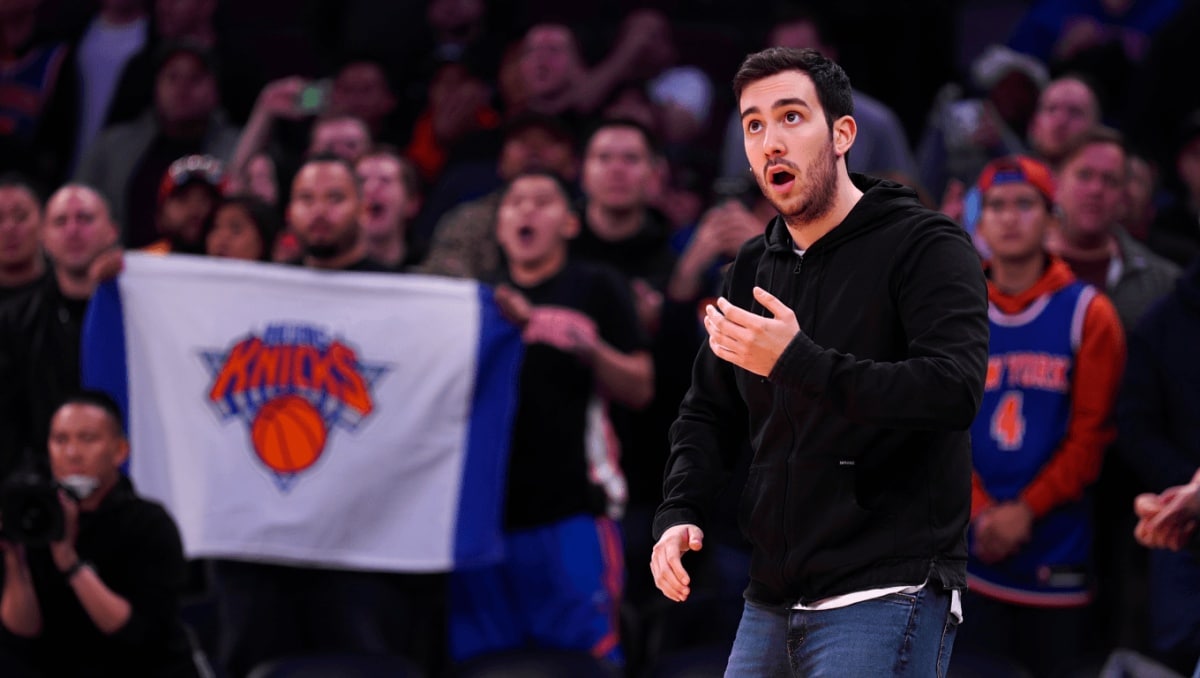
Noah Kahan’s blunt criticism of bandwagon sports fans has sparked more than a debate. What began as a candid remark about loyalty and identity quickly spiraled into a heated online confrontation. The folk-pop singer’s comments about New York Knicks supporters reopened old arguments about celebrity fandom, authenticity, and the modern sports economy.
Noah Kahan’s comments that set off the firestorm
During an interview and in a follow-up social post, Noah Kahan pushed back against what he called casual fandom. He singled out the New York Knicks as an example of a team that attracts fans only when it’s fashionable. His tone was sharp. The language landed with force across social platforms.
Nas slams music industry over disrespect: teases new music, vows to address it
1992 vocal performances: 3 jaw-dropping moments that still amaze
- Direct language: Kahan framed his view around loyalty and history.
- Targeted example: The Knicks were referenced as symbolic of fluctuating fan bases.
- Timing: The remarks arrived while the NBA offseason buzz was high.
How social media amplified the controversy
Within hours, clips and screenshots spread on Twitter, Instagram, and TikTok. Fans, critics, and other musicians joined the conversation. Some defended Kahan’s right to voice an opinion. Others accused him of elitism toward newer fans.
Common reactions online
- Supporters praised his candor about loyalty.
- Critics accused him of dismissing genuine enthusiasm.
- Neutral voices urged a conversation about what fandom means today.
Why the Knicks became the focal point
The Knicks occupy a unique place in sports culture. New York’s team draws attention beyond wins and losses. For many, the Knicks are a social badge as much as an athletic franchise. Kahan’s comments touched that nerve.
- Market visibility: The Knicks are constantly in headlines.
- Celebrity presence: High-profile fans make the team visible outside sports circles.
- Emotional baggage: Decades of ups and downs sharpen fans’ reactions.
How the backlash reveals a crisis of identity for fans
The row over Kahan’s remarks is not just about one artist. It highlights a broader identity crisis among sports supporters. Longtime followers feel their history is being erased. Newer fans argue that enthusiasm is what keeps teams alive.
Key points of division
- Old guard vs. new arrivals.
- Authenticity vs. accessibility.
- Local pride vs. national or celebrity-driven fandom.
What this means for Noah Kahan’s public image
For entertainers, public statements can change trajectories fast. Kahan has built a reputation for honest lyrics and open interviews. This incident tests how his audience perceives authenticity offstage.
- Risk: Alienating listeners who feel dismissed.
- Reward: Strengthening bonds with fans who value blunt honesty.
- Long term: How he follows up will matter as much as the original comment.
How celebrity endorsements and sports fandom intersect
Famous fans shape the way teams are seen. They also change expectations of what fandom should look like. When celebrities endorse a team, they can invite both new followers and new critics.
- Celebrity presence boosts visibility and ticket sales.
- It can also magnify debates over who “counts” as a fan.
- Social media turns private loyalties into public performances.
Responses from Knicks fans and broader sports communities
Knicks supporters offered a spectrum of responses. Some accepted the critique as a call to reflect. Others pushed back with examples of lifelong devotion. Sports writers and commentators stepped in, turning the story into a wider cultural talk.
- Local fan groups emphasized generational loyalty.
- Casual fans highlighted how teams need new supporters to thrive.
- Analysts used the debate to examine commercialization in sports.
PR playbook: How public figures can navigate fan controversies
When a remark triggers an uproar, damage control matters. Here are common steps public figures take after controversies of this kind.
- Acknowledge the reaction without immediately retreating.
- Clarify intent and context in a calm statement.
- Engage in meaningful dialogue with affected communities.
- Show actions that align with words rather than empty apologies.
Broader cultural implications for fandom and identity
The episode speaks to larger trends in how people claim group identity online. Sports teams, music communities, and celebrity circles now overlap more than ever. That overlap creates new tensions about belonging.
- Digital platforms accelerate identity formation.
- Brands and celebrities influence what loyalty looks like.
- Debates like this will recur as fandom evolves.










