
Show summary Hide summary
- How the incident unfolded at the gig
- What the band said and why it mattered
- Fan reactions: defend, ridicule, or debate
- Why this struck a nerve in the hardcore community
- Venue and security considerations
- The role of social media in amplifying the conflict
- Practical guidance for fans and bands
- Lessons this moment highlights
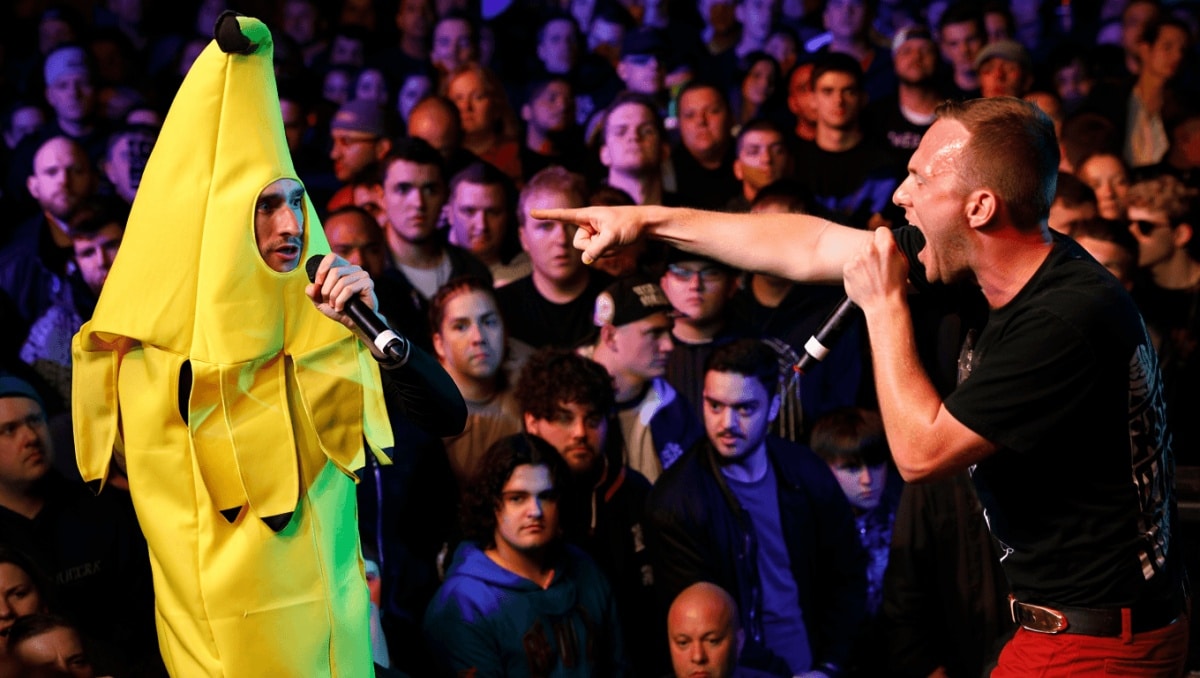
A concertgoer in a bright banana costume became the unexpected focal point of a tense scene at a recent hardcore show. What began as playful self-expression turned into a public reprimand from the band onstage, sparking debate about behavior, belonging, and boundaries in live music spaces.
How the incident unfolded at the gig
During the second song, a clip shows the frontman pausing the set to address someone near the stage. The performer singled out the person wearing the banana suit and told them to either blend in or face criticism. The moment was brief but sharp.
KATSEYE postpones another concert: illness details remain undisclosed
Cupertino: a stylish legal drama packed with tech twists
Audience reactions varied instantly. Some laughed nervously. Others booed. A few people pushed forward to defend the band’s stance. Short video clips shared online later made the exchange go viral.
What the band said and why it mattered
The band’s onstage comment boiled down to a simple phrase: “conform or get called out.” They framed it as a call to respect the scene’s norms during their set.
For many in hardcore circles, the genre’s energy relies on shared intensity. Musicians and hardcore fans often expect a certain level of seriousness during performances. The band implied the banana outfit disrupted that atmosphere.
Onstage pressure and show control
- Performers sometimes enforce rules to keep a set moving.
- Calling out individuals can be a way to manage safety or focus.
- But public shaming risks alienating parts of the crowd.
Fan reactions: defend, ridicule, or debate
Responses online split into distinct camps. Some fans praised the band for defending the scene’s integrity. Others argued the musician crossed a line and bullied the fan for personal expression.
Many viewers pointed out that costumes and playful attire have long been part of the live-music experience. Critics said the banana suit was harmless and amplified the night’s energy.
Voices from the crowd
- Supporters: “Shows have rules. Don’t ruin the vibe.”
- Opponents: “That’s bullying. People come to have fun.”
- Neutral observers: “Context matters — what was the behavior beyond the costume?”
Why this struck a nerve in the hardcore community
Hardcore and punk scenes are built on identity, rebellion, and tightly held codes. That makes clashes over behavior highly charged. Arguments over authenticity and respect surface often.
Gatekeeping is a persistent problem. When a crowd or a band polices who belongs, it can exclude newcomers or creative expression. Yet many veterans see some boundaries as vital to the music’s intensity.
Balancing tradition with inclusivity
- Tradition preserves the culture that made a scene meaningful.
- Inclusivity invites new voices and keeps shows vibrant.
- Finding balance requires dialogue, not unilateral shaming.
Venue and security considerations
Venues must manage safety and maintain order. Security teams often intervene when behavior threatens others.
However, hosts rarely step in for aesthetic disagreements. When bands take enforcement into their own hands, the situation becomes a performer-versus-fan dynamic.
When to involve staff
- If someone endangers others, call security.
- For harassment, venues should have clear protocols.
- If it’s only a costume or joking behavior, staff intervention is usually unnecessary.
The role of social media in amplifying the conflict
Short clips captured by audience members spread quickly. Platforms transformed a local moment into a national conversation.
Algorithms favored the clash. Comments poured in, with users debating the ethics of onstage callouts. The viral cycle intensified both support and backlash.
Consequences after the video
- Some fans unfollowed the band. Others defended them.
- The venue received mixed reviews on social platforms.
- Conversation topics included gatekeeping, concert etiquette, and performer responsibility.
Practical guidance for fans and bands
Live events run smoother when expectations are clear. Both sides can take steps to avoid similar conflicts.
- Fans: Be mindful of how costumes or behavior affect others.
- Bands: Address safety issues privately when possible.
- Venues: Share conduct policies before doors open.
- Everyone: Treat disputes calmly and avoid public shaming.
Lessons this moment highlights
The episode is a reminder that self-expression and scene norms can collide. It also shows how quickly a single onstage remark can shape public perception.
Ongoing conversations will likely focus on how to preserve a scene’s integrity while making space for diverse ways to enjoy live music.










