
Show summary Hide summary
- Why Ward avoided repetition on stage
- The one anthem he says he never played the same way
- How his drumming shaped Black Sabbath’s live identity
- Band chemistry and the space for improvisation
- Fan response and critical memory
- What modern drummers can learn from Ward
- Stories from the road: moments of spontaneous invention
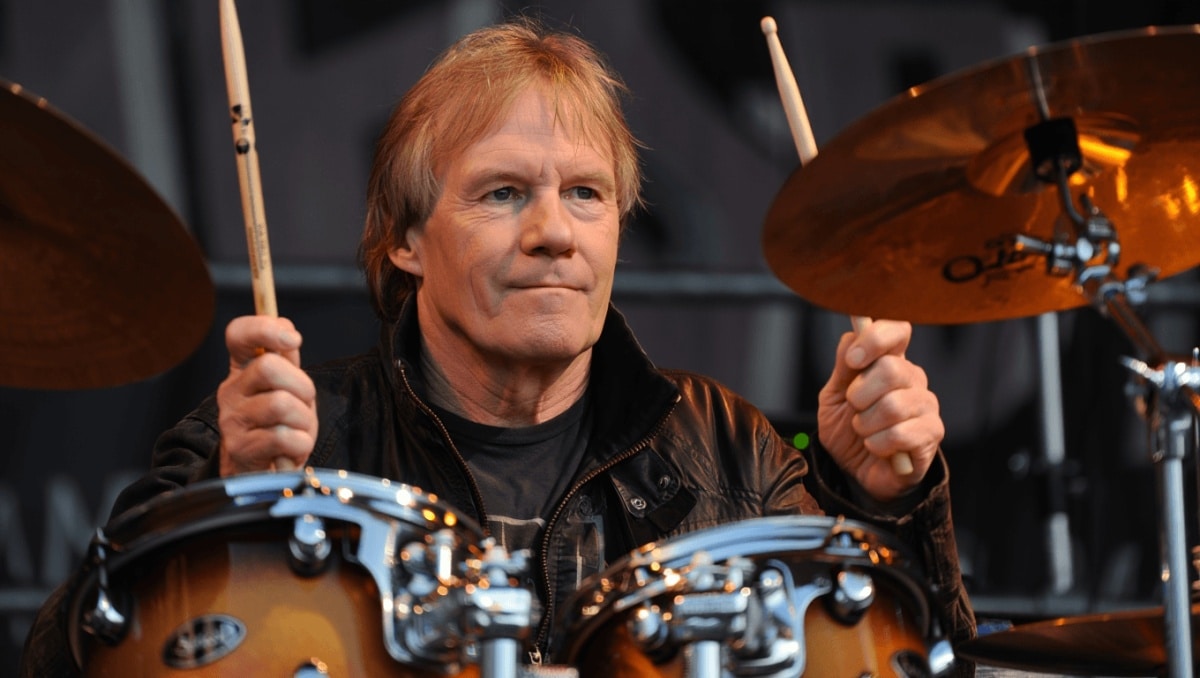
Bill Ward says his approach to playing Black Sabbath’s music was never rigid. He recalls treating each show as its own moment, reshaping rhythms and accents on the spot. That restless creativity made familiar songs feel fresh to audiences and kept the band’s live performances alive for decades.
Why Ward avoided repetition on stage
Bill Ward believed that rigid repetition drained a song of life. He wanted to respond to the crowd, the room, and the band’s energy. That impulse led him to vary fills, tempos, and dynamics during performances. For Ward, every concert offered a new chance to reinterpret a song.
- He listened to how the other musicians were playing in the moment.
- He adjusted his touches to emphasize different parts of a tune.
- He sometimes stretched or tightened beats to heighten tension.
Nas slams music industry over disrespect: teases new music, vows to address it
1992 vocal performances: 3 jaw-dropping moments that still amaze
The one anthem he says he never played the same way
Among Black Sabbath’s catalog, Ward singled out a particular track he never repeated exactly: the band’s breakout anthem, “Paranoid.” On record, the track has a tight, driving pulse. Live, Ward made it his own. He modified fills, added accents, and shifted where the groove landed. Fans who followed many concerts could spot the changes from night to night.
What changed within the song
- Intro phrasing was a common point of variation.
- Transitions into solos often included improvised cymbal patterns.
- Ward occasionally delayed a beat to create a heavier drop.
How his drumming shaped Black Sabbath’s live identity
Ward’s choices mattered beyond flair. They altered the mood of a performance. When he tightened the pocket, songs felt tougher. When he opened the groove, they breathed more. That flexibility helped define Black Sabbath as a band that sounded unpredictable and vital on stage. Listeners heard evolution, not repetition.
Techniques Ward used to vary songs
- Subtle tempo nudges to build suspense.
- Alternating ghost notes for texture.
- Different cymbal mixes to change brightness.
- Syncopated accents to reframe riffs.
Band chemistry and the space for improvisation
Ward didn’t improvise in isolation. His variations relied on pay-off from Tony Iommi’s riffs and Geezer Butler’s bass moves. When the trio locked in, Ward stretched rhythms without losing cohesion. That trust gave him freedom. In interviews, he often mentioned how the ensemble’s responsiveness made variation possible.
Fan response and critical memory
Longtime fans celebrated Ward’s unpredictability. Collectors talk about shows where a single drumfill became legendary. Critics point to those live differences as a reason Black Sabbath sounded formidable on stage. Changing small details kept the music relevant to every audience.
What modern drummers can learn from Ward
Contemporary players study Ward for his balance of power and restraint. Key takeaways include:
- Make choices that serve the song.
- Use variation to sustain audience interest.
- Communicate with bandmates to allow safe improvisation.
Stories from the road: moments of spontaneous invention
Former crew members and bandmates have shared anecdotes of Ward altering parts mid-set. In one instance, a broken string forced a pause, and Ward filled the gap with a new groove that stuck. In another, a small soundcheck experiment became a defining live variation for months. These tales show how constraint and curiosity fueled his creativity.










