
Show summary Hide summary
- How a commercially successful album became a cultural flashpoint
- Why listeners felt divided
- Label pressure and the battle for creative control
- How Lupe processed the aftermath in interviews and music
- Fan reaction and the long shadow of the album
- Legacy questions: art, commerce, and the modern hip-hop artist
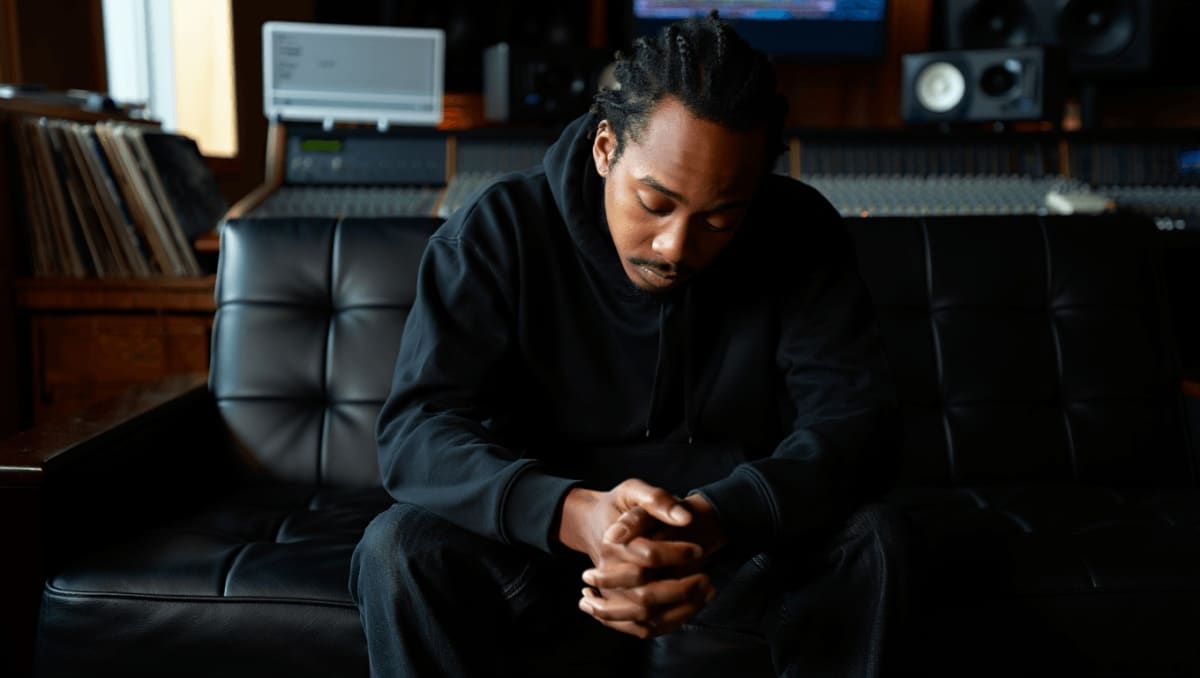
Lupe Fiasco says his professional life changed dramatically after one controversial record. What began as a commercial win left him frustrated and estranged from parts of his audience. His blunt admission — that he feels his career has been effectively over since that release — has reignited debate about art, control, and what success really costs an artist.
How a commercially successful album became a cultural flashpoint
In the early 2010s, Lupe Fiasco delivered an album that climbed the charts. It sold well and reached mainstream ears. Yet many longtime fans felt it betrayed the lyrical and experimental instincts that defined his early work.
Nas slams music industry over disrespect: teases new music, vows to address it
1992 vocal performances: 3 jaw-dropping moments that still amaze
That tension between sales and authenticity is central to the artist’s recent reflections. For Lupe, popularity did not equal creative satisfaction. The record’s success came with public criticism and a sense of lost direction.
Why listeners felt divided
Fans and critics disagreed over multiple elements of the album. Some applauded the polished production and radio-ready singles. Others accused Lupe of compromising his message for broader appeal.
- Perceived formulaic hooks and pop-oriented beats.
- Lyrics that some listeners saw as less daring than his earlier work.
- Marketing choices that emphasized singles over lyricism.
Those objections turned into a narrative about artistic compromise. That narrative still follows Lupe when he speaks today.
Label pressure and the battle for creative control
Behind the scenes were disputes with his record label. Public accounts describe friction over direction, promotion, and single selection.
Lupe has said that creative battles with the label deeply affected him. Industry decisions shaped the album’s final form. That left him in a difficult position: enjoying higher visibility, but feeling less in charge of his art.
What the conflict changed for Lupe’s career
- Less consistent output that aligned with fans’ expectations.
- Increased tension between mainstream media and underground supporters.
- A reputation shift that affects how new records are received.
How Lupe processed the aftermath in interviews and music
After the album’s release, Lupe spoke candidly about his frustration. He used interviews and later songs to explain his sense of dislocation. His message was blunt: commercial success did not heal the creative wounds.
He has since explored different approaches to releasing music. At times Lupe embraced independence. Other times he attempted to bridge gaps between critics and casual listeners.
Fan reaction and the long shadow of the album
Responses from the fanbase have been mixed and evolving. Some supporters maintain loyalty, citing his lyricism and past albums. Others remain critical, viewing the contentious record as a turning point.
- Longtime fans highlight his early classics as touchstones.
- Newer listeners discover him via playlists and hits from that era.
- Discourse online continues to revisit the album when he speaks.
Legacy questions: art, commerce, and the modern hip-hop artist
Lupe’s story raises wider questions about how artists navigate industry demands. What is the cost of mainstream visibility? How should a musician balance personal vision with commercial realities?
His candid claim that his career has been “over” since that record forces both fans and industry observers to reckon with those tensions. It’s a debate about authenticity, ownership, and the long-term effects of one pivotal release.










