
Show summary Hide summary
- How a Punk Band Ended Up Filming in the Congo
- What the Documentary Showed: Scenes From a Conflict Zone
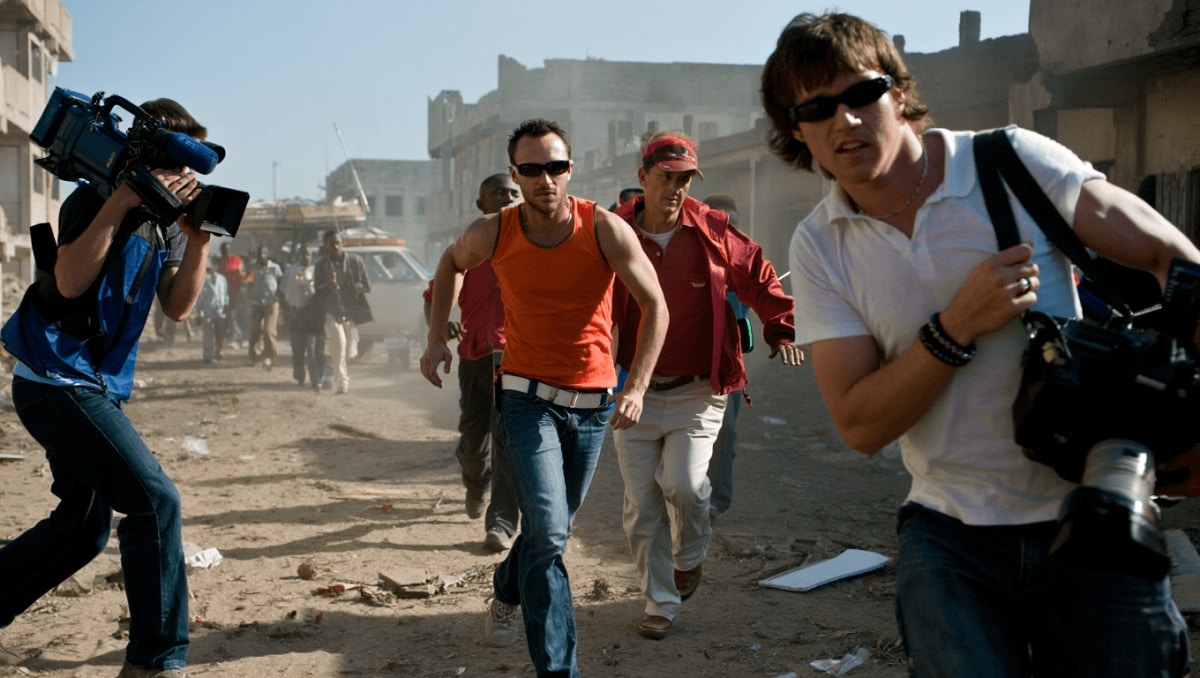
- The Emergency Evacuation: What Forced Them to Leave
- Reaction From Fans and Media After the Evacuation
- Behind the Scenes: Logistics and Safety Challenges
- Aftermath: How the Footage Was Used and Its Legacy
- Why the Moment Still Matters for Music and Humanitarian Coverage
On this day in 2004, Canadian punk-rockers Sum 41 left behind a film crew, a handful of raw footage, and a story that few expected: a short documentary shot amid the chaos of the Democratic Republic of Congo that ended with an urgent evacuation. The project captured more than a band’s visit; it exposed a moment when music, conflict reporting, and real danger collided.
How a Punk Band Ended Up Filming in the Congo
Sum 41’s trip to the D.R. Congo was not a standard tour stop. The band traveled as part of a broader effort to raise awareness about the humanitarian crisis. Their presence drew attention from fans and press who rarely associate pop-punk acts with frontline reporting.
Nas slams music industry over disrespect: teases new music, vows to address it
1992 vocal performances: 3 jaw-dropping moments that still amaze
- Motivation: advocacy for civilians and displaced communities.
- Partners: non-governmental groups and local fixers facilitated access.
- Format: documentary-style footage, interviews, and on-the-ground scenes.
What the Documentary Showed: Scenes From a Conflict Zone
The film mixed short performance clips with interviews and street-level imagery. Viewers saw everyday life altered by violence, markets and camps, and local voices speaking about survival. The contrast between upbeat music and stark visuals made the footage difficult to ignore.
Notable moments captured
- Band members interacting with local residents.
- Interviews with aid workers and displaced families.
- Shots of makeshift camps and damaged infrastructure.
Filmmakers worked with limited resources. That constrained style lent the documentary an immediacy that traditional news packages often lack.
The Emergency Evacuation: What Forced Them to Leave
As tensions escalated near their filming locations, security conditions deteriorated quickly. Movement became dangerous, and what began as a short shoot morphed into a sudden departure under pressure from regional forces and safety teams.
- Triggers: reports of nearby clashes and increased armed patrols.
- Decision-making: local security advisors urged departure.
- Execution: a rapid pullout coordinated with diplomatic and aid contacts.
Evacuation was swift and tense. The team prioritized safety over footage, leaving behind some material and memories that could not be fully recorded.
Reaction From Fans and Media After the Evacuation
The unexpected exit sparked curiosity and concern. Fans wondered why a band would take such risks. Journalists debated the ethics of celebrity involvement in conflict zones. The incident became a talking point about the line between awareness and spectacle.
- Supporters praised the band’s intent to spotlight suffering.
- Critics asked whether musicians could responsibly document war.
- Some outlets used the footage to contextualize the humanitarian crisis.
Behind the Scenes: Logistics and Safety Challenges
Working in an active conflict region brings logistical hurdles. Permits, reliable transport, trusted local contacts, and contingency planning are all critical. The Sum 41 team faced many of the same obstacles that professional news crews encounter.
- Arranging secure lodging and travel routes.
- Maintaining communication with embassies and NGOs.
- Preparing for rapid evacuation if violence surged.
Local partners proved essential for translating, navigating checkpoints, and assessing risk on the ground.
Aftermath: How the Footage Was Used and Its Legacy
Once safely away, the band and filmmakers assessed their material. Some clips were shared to raise awareness, while other footage remained private. The evacuation itself became part of the story, underscoring the unpredictability of reporting from conflict zones.
- Awareness campaigns used selected clips.
- Discussions followed on celebrity advocacy in crisis areas.
- The expedition influenced later charity collaborations and support work.
Why the Moment Still Matters for Music and Humanitarian Coverage
The episode highlighted how artists can amplify attention to distant crises. It also served as a caution about ethics and safety when non-journalists enter volatile areas. The short documentary remains a reference point for bands and organizations considering similar missions.
The collision of music and conflict raised difficult questions about responsibility, storytelling, and the limits of outreach when danger is real.










