
Show summary Hide summary
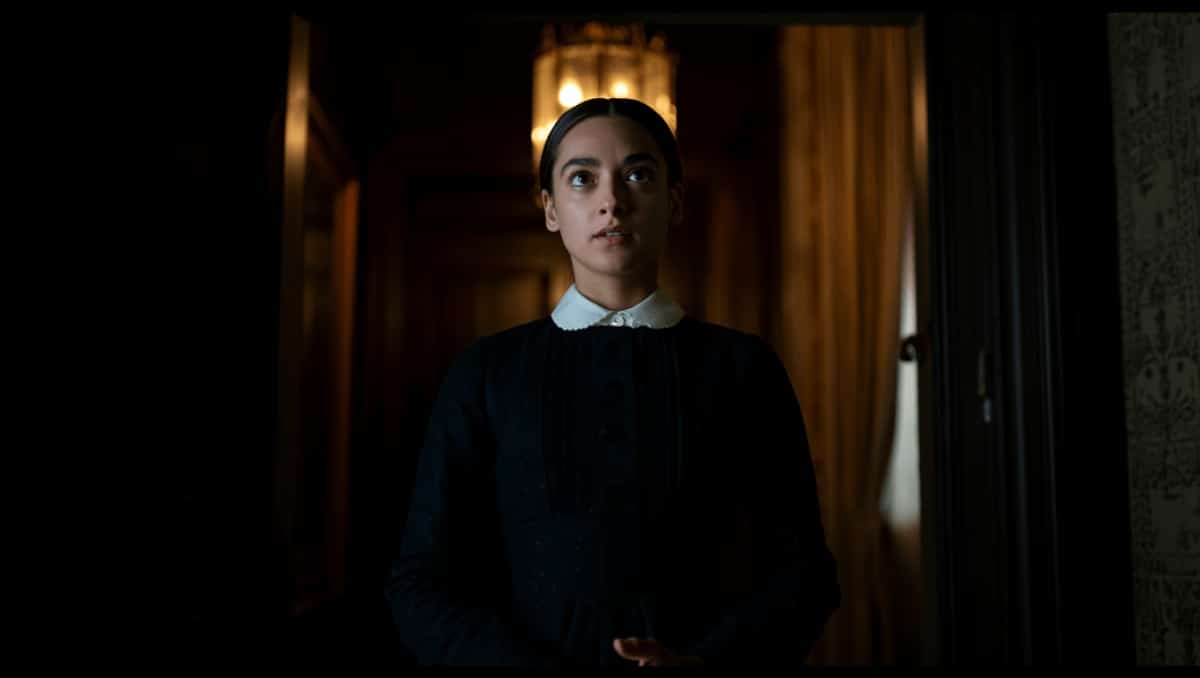
“Victorian Psycho” arrives as a bold, unsettling period thriller that refuses to sit in a single mood. Set in the 1850s, it follows a governess whose polite exterior hides a jagged interior. The film mixes dark humor, sudden violence, and psychological suspense to keep viewers off balance.
How Zachary Wigon shaped a deliberately “demented” tone
Director Zachary Wigon describes his approach with a single word: demented. He uses it to capture the film’s wide emotional range — from grotesque comedy to brutal dread. Wigon built the movie around that elastic sensibility, letting scenes swing from laugh-out-loud shock to intimate psychological unease.
Nas slams music industry over disrespect: teases new music, vows to address it
1992 vocal performances: 3 jaw-dropping moments that still amaze
Wigon treats tone like architecture. He wanted a sturdy script that could support abrupt shifts. The result is a film that aims to feel coherent even while it keeps changing register.
Turning a novel into a screen nightmare
Wigon discovered the project after reading Spanish novelist Virginia Feito’s manuscript. He was struck by its relentless intensity and biting humor. Feito later wrote the screenplay herself, giving the adaptation a close, authorial throughline.
Collaboration that preserved the book’s edge
- Author and director worked together to keep the emotional logic intact.
- The screenplay preserves abrupt tonal shifts without feeling gimmicky.
- Feito’s involvement ensured the novel’s rage and wit survived translation to film.
The goal was a script that justified jumps from horror to comedy and back, so the audience stays connected to the character’s fragile inner world.
Winifred Notty: Maika Monroe’s dangerous quiet
Maika Monroe transforms into Winifred Notty, a governess whose genteel manners mask a violent history. Monroe’s previous work in genre films laid the groundwork. Here, she layers restraint and volatility.
Wigon sought an “expressionistic” performance. He wanted small, controlled gestures that suggested a storm behind the eyes. Monroe’s calm exterior makes her sudden eruptions more alarming.
- Quiet presence that hints at hidden intensity.
- A swift, terrifying shift from composure to violence.
- Performance aims to make viewers curious and uncomfortable.
Her role hinges on empathy. Even when Winifred acts monstrously, the film invites a shared view of her subjective experience.
Balancing horror, humor, and character depth
The movie moves quickly between genres. That requires precise structural planning. Wigon likened filmmaking here to building a complicated house: if the blueprint isn’t solid, it collapses.
Key elements for the balance:
- Psychological truth that connects scenes.
- Consistent subjectivity to keep the protagonist central.
- Deliberate pacing so tonal shifts feel earned.
When those pieces align, a sequence of grotesque comedy can sit next to a scene of real horror without breaking audience buy-in.
The world of Ensor House and period detail
Most of the action takes place at Ensor House, a sprawling Victorian mansion. The setting functions almost as a character. Its rooms, corridors, and social rituals push the narrative’s claustrophobia.
Production choices — from costume to set design — reinforce an atmosphere of polite decay. The past feels ornate and dangerous at once, matching Winifred’s outward decorum and inner chaos.
Where the film fits in Wigon’s filmography and its Cannes slot
“Victorian Psycho” is Wigon’s third feature. He previously made “The Heart Machine” and the genre-bending “Sanctuary.” This new film pushes further into a hybrid space between art-house drama and transgressive horror.
The movie is slated to premiere in Un Certain Regard at Cannes on May 21. Wigon calls the screening an almost surreal honor and says he’s thrilled to present his daring vision to an international audience.
This Cannes debut positions the film for immediate critical conversation, given its provocative mix of period detail and psychological ferocity.










