
Show summary Hide summary
- How Rolling Loud 2026 created a seamless in-person and online experience
- Key technologies that made the hybrid festival work
- Artists and performances: two worlds, one show
- New revenue streams and economic models emerging at Rolling Loud
- Fan-focused features that changed how people attended
- Operations, safety, and privacy in a connected festival
- Environmental and logistical impacts of a hybrid model
- What Rolling Loud 2026 signals for artists, promoters, and fans
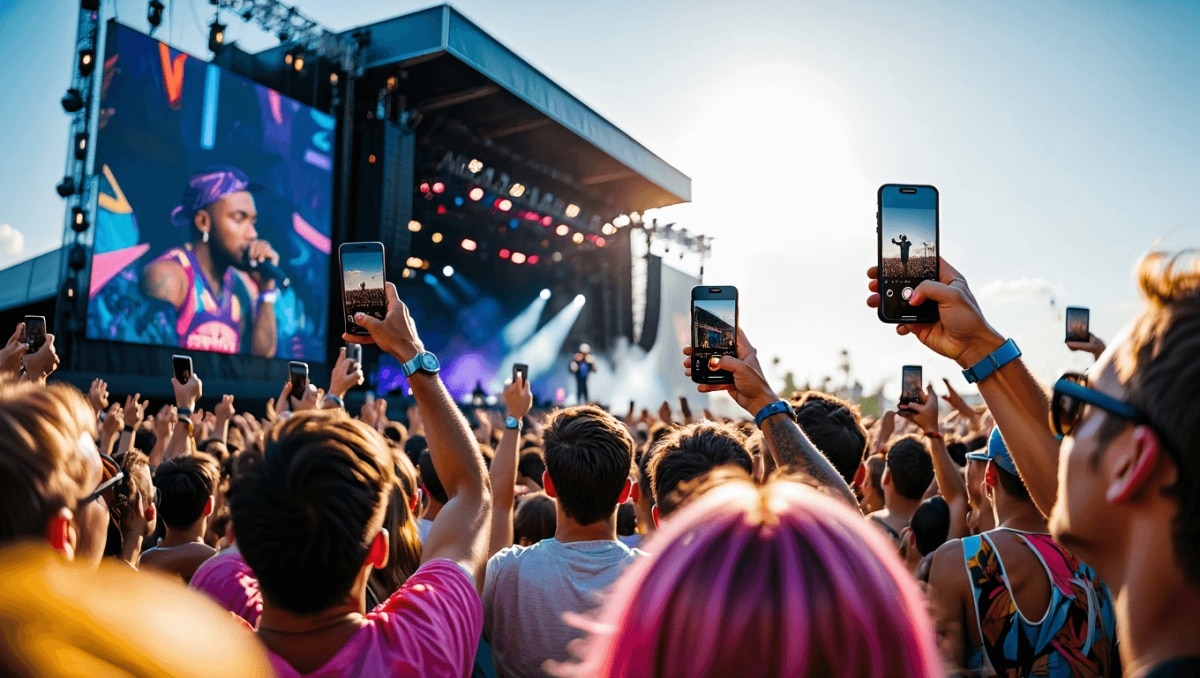
Rolling Loud 2026 felt less like a single weekend and more like a global launch. Fans crowded stages and screens alike, while artists moved between packed tents and virtual arenas. The festival blurred lines between physical presence and digital access, signaling a new model for live music.
How Rolling Loud 2026 created a seamless in-person and online experience
Organizers staged parallel shows across real and virtual spaces. On site, multiple stages ran back-to-back. Online, synchronized streams sent the same energy to millions. Production teams used shared cues so moments matched across platforms.
Nas slams music industry over disrespect: teases new music, vows to address it
1992 vocal performances: 3 jaw-dropping moments that still amaze
- Simulcast stages that mirrored setlists in real time.
- Interactive streams with chat, polls, and camera-angle control.
- Avatar-hosted virtual stages that let remote fans gather.
Key technologies that made the hybrid festival work
Cutting-edge tools connected tents, satellites, and servers. Latency was a priority. Organizers invested in low-delay networks to avoid audio or visual lag.
Streaming and bandwidth
- Edge servers reduced buffering for global viewers.
- Adaptive bitrate ensured smooth playback on phones and smart TVs.
Immersive tech and AR features
- Augmented reality overlays brought stage effects to fans’ screens.
- VR lounges hosted small-group meetups with performers.
Web3, NFTs, and secure transactions
- Digital collectibles served as tickets, merch, and VIP passes.
- Smart contracts automated royalties and resale rules.
Artists and performances: two worlds, one show
Many headliners split their time between the physical stage and digital counterparts. Some acts performed live for a camera crew that fed virtual venues. Others used motion capture to animate avatars in the metaverse.
- Special sets designed only for online audiences.
- Exclusive drops unlocked in the virtual crowd.
- Hybrid collabs where in-person and remote artists shared a track live.
Audience engagement came from integrated features: ringless alerts for surprise drops, backstage cams, and fan-driven camera angles.
New revenue streams and economic models emerging at Rolling Loud
Monetization moved beyond gate receipts. Festival organizers, artists, and tech partners explored shared earnings across environments.
- Tiered ticketing for IRL, stream-only, and mixed-access passes.
- Secondary markets for authenticated digital merch and NFTs.
- Microtransactions inside virtual spaces for skins and emojis.
Payments were often frictionless, with options for credit cards and crypto. Transaction transparency appealed to creators tracking royalties.
Fan-focused features that changed how people attended
Fans reported new ways to experience the festival. Many appreciated options to move between physical and digital attendance.
- Mobile apps guided onsite AR hunts and set reminders.
- Hybrid wristbands synced identity and digital collectibles.
- Remote meet-and-greets used holographic sessions and private VR rooms.
Accessibility improved. Remote fans with mobility limits joined VIP experiences previously out of reach.
Operations, safety, and privacy in a connected festival
Mixing IRL crowds with digital systems created new operational demands. Organizers tightened both physical and cyber protocols.
- Sanitized access points and crowd-flow mapping reduced bottlenecks.
- Encrypted streams and verified logins protected content.
- Data-minimizing approaches limited unnecessary personal tracking.
Security teams coordinated with platform providers. Rapid incident channels handled tech outages and onsite threats alike.
Environmental and logistical impacts of a hybrid model
Virtual attendance lowered travel emissions for some fans. Yet the tech infrastructure added energy demands. Organizers balanced both sides.
- Offsets and renewable energy credits for server farms.
- Local sourcing for on-site production to cut transport miles.
- Hybrid passes reduced the need for mass transit trips during peak days.
What Rolling Loud 2026 signals for artists, promoters, and fans
The festival showcased a repeatable blueprint. Promoters learned to stage events where momentum flows between stages and screens.
- Artists can scale reach without losing live immediacy.
- Promoters gain diversified income and global audience metrics.
- Fans access more options for participation and ownership.
Rolling Loud 2026 did more than host performances. It tested an ecosystem where concerts exist simultaneously in multiple realities.










