
Show summary Hide summary
- How a studio prank lit the fuse for “Fuck tha Police”
- Turning a jest into one of hip-hop’s defining protest songs
- Immediate fallout: censorship, controversy, and the FBI letter
- Why the prank-turned-anthem still resonates
- Dr. Dre’s role: beatmaker turned cultural witness
- The legacy: education, influence, and continued controversy
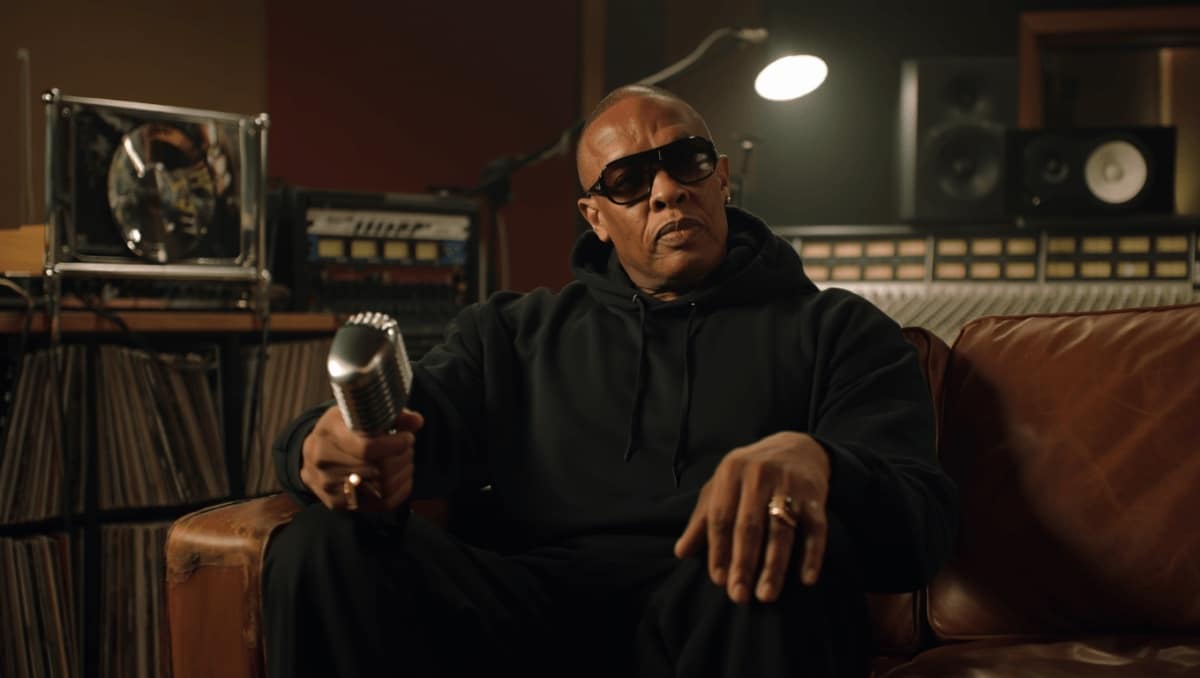
When Dr. Dre recently looked back at his time with N.W.A, he offered a surprising detail about how the incendiary track “Fuck tha Police” first came together. What many remember as a furious protest song, he says, began in the studio as a joke that quickly turned into something far bigger. The memory sheds light on how casual moments in the booth can spark powerful cultural statements.
How a studio prank lit the fuse for “Fuck tha Police”
In a recent interview, Dre described a moment of levity among group members that shifted into urgency. What started as an offhand stunt became a raw expression of frustration.
KATSEYE postpones another concert: illness details remain undisclosed
Cupertino: a stylish legal drama packed with tech twists
- Members were riffing in the booth and tossing around ideas.
- A prank line or bit stuck with the group and kept evolving.
- The tone shifted from playful to confrontational as they recorded.
The prank didn’t stay a joke. It was repurposed and sharpened into a protest song that captured the group’s anger and experiences with law enforcement.
Turning a jest into one of hip-hop’s defining protest songs
N.W.A’s ability to convert casual studio moments into pointed commentary became a hallmark of their work. “Fuck tha Police” stands as their most direct confrontation with police misconduct and profiling.
Lyrics and delivery that left no room for ambiguity
- The group’s verses named specific grievances and scenarios.
- Dre’s production gave the song a hard, uncompromising edge.
- The vocal performances balanced storytelling and accusation.
The result was a track that sounded like a charge. It spoke for neighborhoods repeatedly targeted by aggressive policing.
Immediate fallout: censorship, controversy, and the FBI letter
Soon after release, the song drew nationwide attention. Mainstream radio largely refused to play it.
- Stations banned the record for its explicit content.
- Retailers and some venues avoided the group altogether.
- The FBI sent a now-infamous letter to the group’s record company.
Backlash made the band more visible. The controversy amplified the song’s reach and sharpened public debate on free speech and policing.
Why the prank-turned-anthem still resonates
Decades on, the track remains culturally relevant. Its origins as a studio prank add a human layer to the song’s creation.
- It shows how art can arise from informal moments.
- The song captures raw emotion rather than crafted rhetoric.
- Younger artists cite it as a template for speaking truth to power.
The history behind the record reminds listeners of the spontaneity of creativity. A throwaway line helped crystallize a broader rage and demand for accountability.
Dr. Dre’s role: beatmaker turned cultural witness
As producer, Dre shaped the sonic backdrop that let the lyrics cut deep. He has since reflected on how the group’s dynamic produced moments of unexpected clarity.
- Dre’s beats emphasized the urgency of the verses.
- His studio instincts helped transform loose ideas into a finished track.
- He has acknowledged the track’s enduring influence on hip-hop.
Dre frames the song as part studio chemistry, part social statement. That dual nature explains why the record still sparks conversation.
The legacy: education, influence, and continued controversy
The song appears in discussions about music and protest. It also features in curricula, documentaries, and debates about censorship.
- It influenced later protest songs in hip-hop and other genres.
- Scholars study it for its rhetoric and social impact.
- Its explicit nature keeps it at the center of free speech debates.
From a prank to a pivotal cultural moment, the track’s story shows how unpredictable the creative process can be. It also highlights how music can crystallize public sentiment in an instant.










