
Show summary Hide summary
- What to expect from Luh Tyler’s new album
- How Florida’s fast music vibe shaped the record
- Studio process and how songs come together
- On “tricking”: why he calls it the lamest move
- Collaborations and the new generation of Florida artists
- Singles, visuals, and marketing for streaming success
- The bigger picture: community, growth, and longevity
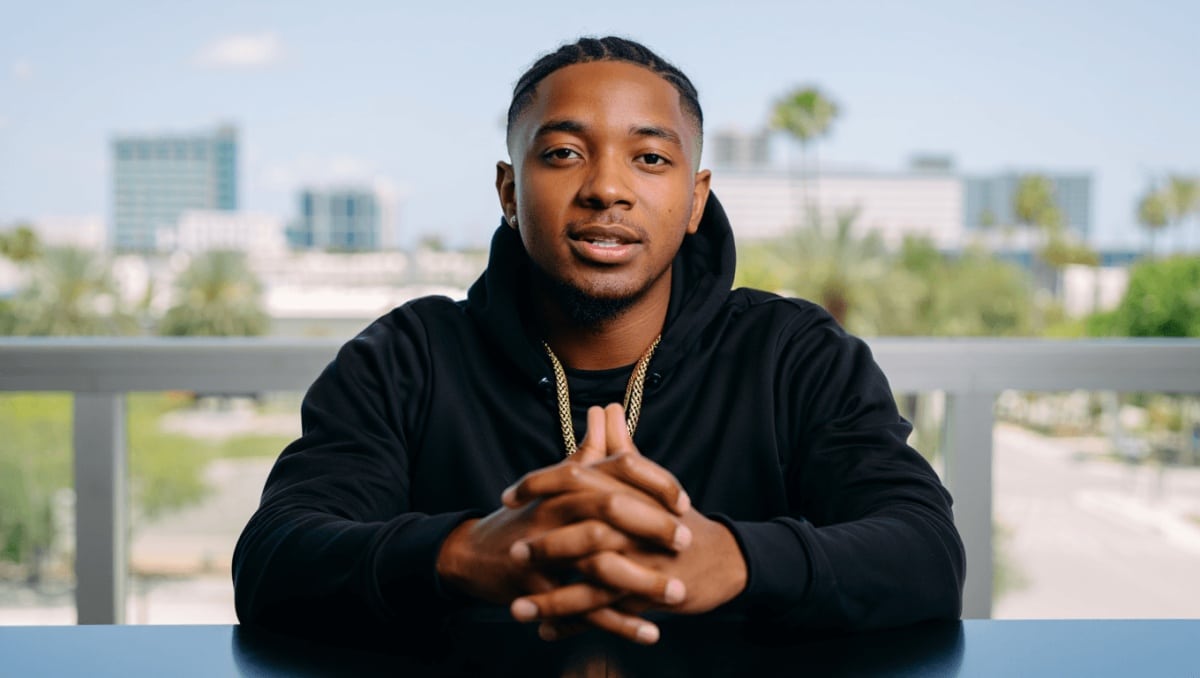
Luh Tyler arrives at the conversation with a relaxed confidence, eager to map out the sound of his new project and sketch the energy fueling Florida’s rapid-fire music scene. He talks about growth, community, and why he believes certain behaviors damage the culture. The interview moves between studio details, the dynamics of “fast” music in the Sunshine State, and a frank take on respect and authenticity.
What to expect from Luh Tyler’s new album
Tyler describes the album as a bridge between his early sound and where he’s headed next. He wants tracks that hit hard and feel personal. Production leans toward brisk tempos and punchy beats.
Nas slams music industry over disrespect: teases new music, vows to address it
1992 vocal performances: 3 jaw-dropping moments that still amaze
- Energy over perfection: Many songs favor momentum and raw emotion.
- Short, memorable hooks: Designed for streaming and social platforms.
- Varied collaborators: A mix of local producers and a few outside names for contrast.
How Florida’s fast music vibe shaped the record
Florida’s scene has been moving fast—both in tempo and in how sounds spread. Tyler points to the state’s clubs, parties, and online clips as feeding the aesthetic.
Elements driving the movement
- Rapid-fire drum patterns that push songs forward.
- Unfiltered vocal delivery that feels immediate.
- Beatmakers experimenting with space and hi-hat rolls.
Tyler credits local DJs and dance trends for helping tracks travel beyond state lines. He says the scene’s appetite for short, electrifying records pushed him to craft songs that land quickly.
Studio process and how songs come together
Tyler favors a collaborative, iterative approach in the studio. Ideas often start from a loop or a specific drum pattern. Vocals are laid fast to keep the energy intact.
- Beat selection happens with input from multiple producers.
- Melodies are refined through repeated takes.
- Final arrangements are tested live to see how crowds react.
He emphasizes spontaneity: capturing mood in one or two takes helps keep the records lively and authentic.
On “tricking”: why he calls it the lamest move
In the interview, Tyler is blunt about authenticity. He uses the word “tricking” to describe dishonest behavior that damages trust between artists and fans.
- Faking accomplishments or clout.
- Misleading fans with inauthentic content.
- Copying others rather than building an original voice.
For Tyler, respect matters more than hype. He argues that real momentum comes from consistency and community trust, not quick tricks.
Collaborations and the new generation of Florida artists
Tyler sees a wave of emerging artists who share an appetite for fast-paced records. He plans to feature peers who bring complementary energy.
Why collaborations matter now
- They expand reach across fan bases.
- They create sonic variety on projects.
- They strengthen the local scene and create touring opportunities.
He’s excited about cross-pollination: veteran producers mixing with younger rappers to push the sound forward.
Singles, visuals, and marketing for streaming success
Tyler wants singles that can cut through feeds and playlists. Visuals are lean, kinetic, and shareable.
- Short-form video clips made for social platforms.
- High-energy music videos filmed on location in Florida.
- Playlists and targeted promos to reach new listeners.
His strategy is simple: release standout singles, pair them with compelling visuals, and let organic momentum do the rest.
The bigger picture: community, growth, and longevity
Beyond singles and streams, Tyler talks about building a sustainable career. He wants to mentor younger artists and help the scene stay rooted in creativity.
- Investing time in young talent.
- Keeping live shows dynamic to retain fans.
- Balancing fast-moving trends with long-term artistry.
He believes longevity comes from respect, both for the craft and for the people who support it.










