
Show summary Hide summary
- What Big Boi says gets him excited: a deep love of music craft
- From crates to consoles: how collecting shaped his approach
- Learning from legends: the history that fuels new music
- Gear talk: the pieces that make him tick
- How this fascination affects his live shows and collaborations
- Teaching moments: when curiosity becomes cultural preservation
- Why this matters for fans and aspiring artists
When Outkast’s Antwan “Big Boi” Patton speaks about his passions, the tone shifts from confident performer to genuine fan. In a recent conversation he admitted there’s one corner of music and culture that makes him light up — and it’s not what casual listeners might expect. His enthusiasm pulls back the curtain on the artist’s curiosity and lifelong relationship with sound, history, and the tools that shape both.
What Big Boi says gets him excited: a deep love of music craft
Big Boi revealed he “nerds out” over music production, vintage gear, and hip-hop history. He described how collecting records and studying old production techniques feeds his creativity. For him, the craft behind the songs matters as much as the songs themselves.
Nas slams music industry over disrespect: teases new music, vows to address it
1992 vocal performances: 3 jaw-dropping moments that still amaze
Why the technical side matters to him
- He values the way specific instruments and equipment influence a track.
- Learning old-school mixing tricks helps him experiment with new sounds.
- Understanding the past gives context to modern hip-hop.
From crates to consoles: how collecting shaped his approach
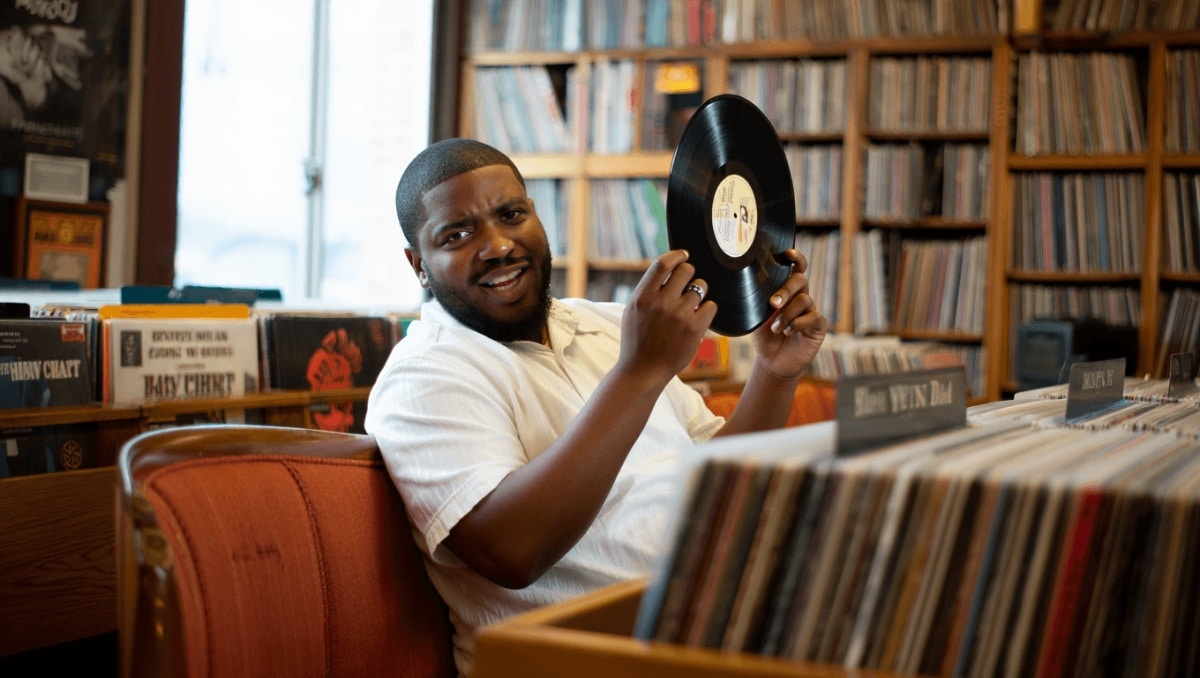
Big Boi has long been linked to vinyl culture. He explained how digging through crates led to discoveries that inform his songwriting. That collecting habit turned into a study of eras, producers, and recording environments.
The process is hands-on. He listens for tiny details: the warmth of an analog bass, the way a snare was compressed, or the echo in a vocal booth. Those nuances feed his decisions in the studio.
Learning from legends: the history that fuels new music
Studying past artists and producers is central to how Big Boi evolves. He traces patterns in rhythm, sampling choices, and lyrical flow. That research becomes a toolbox he draws from when composing new material.
- He credits older records for teaching arrangement and pacing.
- Producers’ signature moves become inspiration, not imitation.
- Contextual knowledge helps him spot fresh angles for modern tracks.
Gear talk: the pieces that make him tick
Big Boi enjoys discussing specific pieces of equipment. From analog synths to vintage microphones, he pays attention to how hardware shapes tone. He also applauds modern tools that make creative ideas easier to capture.
Tools he mentions most often
- Turntables and vinyl for texture and inspiration.
- Classic drum machines and samplers for groove.
- Analog compressors and preamps for warmth.
He argues gear should serve the song, not the ego. The right tool can unlock a subtle emotional layer, he says, and that chase is part of the fun.
How this fascination affects his live shows and collaborations
Big Boi’s nerdy attention to detail shows up on stage. He tweaks arrangements, swaps instruments, and reimagines older tracks with fresh production choices. Collaborators notice his curiosity and bring their own technical strengths.
- Performances become experiments in sound.
- Collaborators get to explore production ideas together.
- Audiences hear familiar songs in new textures.
Teaching moments: when curiosity becomes cultural preservation
Beyond making music, Big Boi uses his platform to highlight pioneers and unsung heroes. He points listeners toward records and producers who deserve recognition. That effort frames his hobby as both education and celebration.
Ways he shares what he loves
- Curating playlists or sets that spotlight influences.
- Mentioning producers and engineers in interviews.
- Featuring collaborators who bridge past and present.
Why this matters for fans and aspiring artists
Big Boi’s openness about nerding out offers a lesson: deep curiosity breeds originality. By studying tools, history, and techniques, artists can craft sounds that feel new yet rooted. Fans get richer music, and the culture stays connected to its origins.










