
Show summary Hide summary
- Why that 2011 sale mattered for vintage rock collectors
- What changed since then: the boom in music memorabilia values
- Key features that make a Led Zeppelin T-shirt especially valuable
- How auction results shifted perceptions and prices
- How to spot real vintage Led Zeppelin shirts and avoid fakes
- Where collectors are spending and finding rare shirts
- Storage, care, and preserving value of collectible shirts
- Tips for buyers who want to invest in vintage band tees
- Why Led Zeppelin shirts remain cultural and financial draws
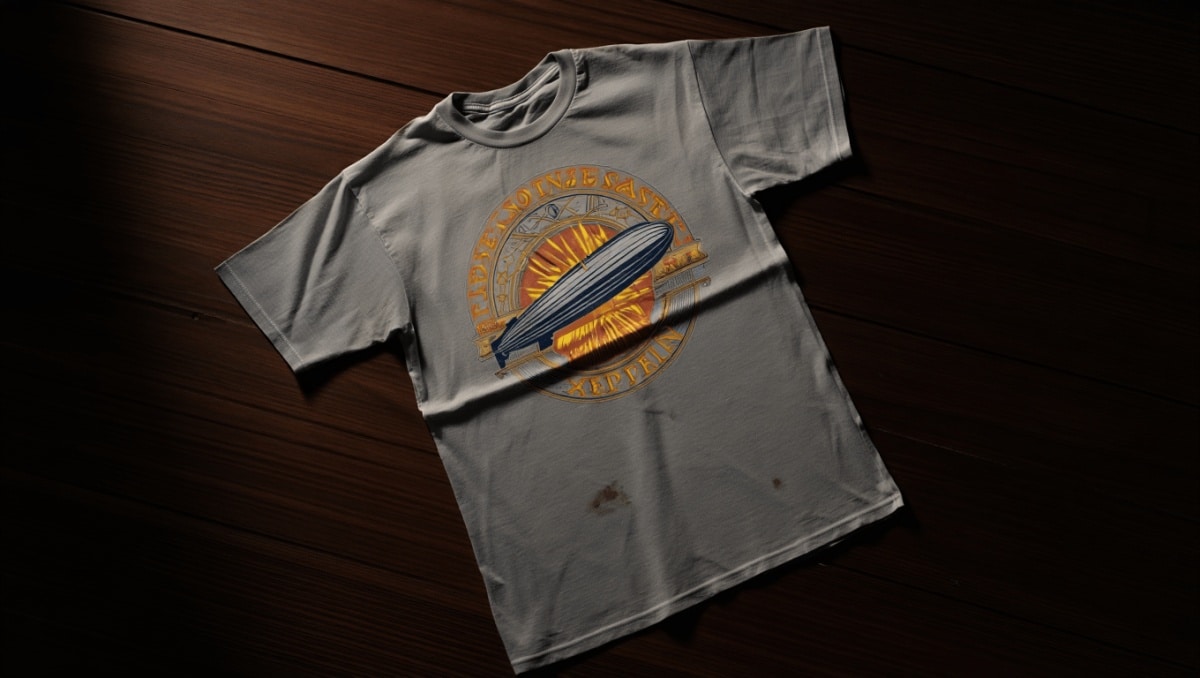
A faded cotton shirt once bought by a fan in a cramped record store became a headline when it sold for several thousand dollars in 2011. What seemed like a windfall then now reads like a modest return. The market for vintage rock tees, and Led Zeppelin memorabilia in particular, has surged. Collectors, investors, and fans are driving prices to new heights.
Why that 2011 sale mattered for vintage rock collectors
In 2011, a rare Led Zeppelin T-shirt drew attention because it was an authentic relic from the band’s early era. At the time, such a sale signaled growing interest in music collectibles. It convinced many that old concert tees were not just sentimental keepsakes. They were assets.
Nas slams music industry over disrespect: teases new music, vows to address it
1992 vocal performances: 3 jaw-dropping moments that still amaze
What changed since then: the boom in music memorabilia values
Several forces pushed prices higher after 2011. The rise of online auctions made rare items visible worldwide. Celebrity collectors and museum exhibits raised demand. Social media amplified hype around standout pieces.
- Online marketplaces expanded reach and competition.
- High-profile collectors validated the market.
- Media coverage turned rare shirts into cultural stories.
Key features that make a Led Zeppelin T-shirt especially valuable
Not every vintage tee becomes worth a fortune. Certain elements consistently boost value.
- Provenance: a clear history, such as stage wear or ownership by a known fan.
- Age and rarity: first-run prints from the 1960s and 1970s are in highest demand.
- Condition: intact graphics, minimal stains, and original tags matter.
- Design and artwork: iconic images or limited-edition prints attract buyers.
- Errors and variations: misprints or rare colorways can become sought-after quirks.
How auction results shifted perceptions and prices
Auctions moved the market from private sales to public spectacles. When a rare piece goes under the hammer, the final price becomes a headline. These high-profile outcomes reset expectations.
Why transparency in auction houses matters
Reputable auction houses provide documentation, condition reports, and certificates. That visibility makes buyers more willing to spend large sums.
How to spot real vintage Led Zeppelin shirts and avoid fakes
Counterfeits and modern reproductions flood the market. Knowledge and scrutiny protect buyers.
- Examine fabric: older shirts often feel thinner and softer.
- Check tag styles and manufacturer codes from the era.
- Look for natural aging: fading and wear patterns should be consistent.
- Ask for provenance: photos, receipts, or prior auction records add credibility.
- Consult experts or trusted dealers when in doubt.
Where collectors are spending and finding rare shirts
Venues for buying vintage rock tees vary by how much risk and money someone wants to spend.
- Auction houses: best for high-value, well-documented pieces.
- Specialist vintage dealers: offer curated selections and verification.
- Online marketplaces: broad inventory but buyer beware.
- Estate sales and flea markets: potential bargains for patient collectors.
Storage, care, and preserving value of collectible shirts
Even a rare shirt loses value if not stored correctly. Simple steps extend lifespan and protect investment.
- Use acid-free tissue and archival boxes.
- Avoid direct sunlight and high humidity.
- Keep handling to a minimum and wear gloves when needed.
- Document condition with dated photos for provenance.
Tips for buyers who want to invest in vintage band tees
Approach the market with both passion and caution. Treat purchases as both memorabilia and assets.
- Do research on tag types and production years.
- Set a budget and resist auction fever.
- Prefer pieces with strong provenance.
- Buy from reputable sellers or get a third-party appraisal.
Why Led Zeppelin shirts remain cultural and financial draws
Led Zeppelin occupies a special place in rock history. Their imagery and era resonate with collectors and new audiences. That cultural weight translates into market value. As nostalgia and investment demand grow, what sold for thousands in 2011 can look modest compared to today’s lightning-fast bidding.










