Show summary Hide summary
- Why the “industry plant” label sticks to new artists
- Doechii’s rise: key moments that attracted attention
- Arguments that argue against Doechii being an industry plant
- How labels and PR can amplify an artist without manufacturing talent
- What it means when an artist’s label denies “industry plant” rumors
- Signals fans and critics use to assess authenticity
- Why the debate matters for artists like Doechii
- What to watch next as Doechii’s career unfolds
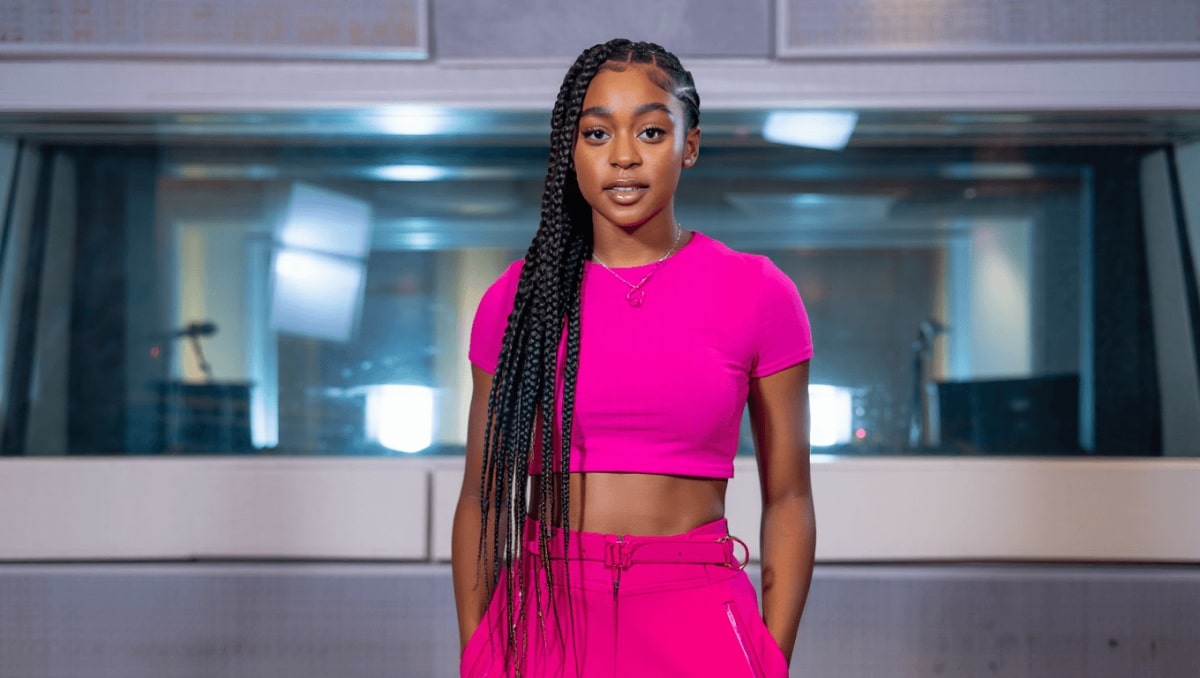
Doechii’s sudden rise has prompted heated debate online. Fans celebrate a fresh, genre-bending voice in hip-hop and pop. Skeptics ask whether her ascent is organic or engineered. Her label, however, has pushed back against the “industry plant” narrative, and the real story is more complex than viral clips and clickbait headlines.
Why the “industry plant” label sticks to new artists
Music culture often treats rapid success with suspicion. The term “industry plant” suggests an artist was manufactured by executives and given unfair advantages. Several forces fuel this belief:
- Fast-trending songs that explode on social media.
- High-profile collaborations and radio push early in a career.
- Polished visuals and big-budget marketing before an established fanbase.
- Leaks, gossip, and theory-driven coverage on music blogs and forums.
New music Friday: 5 must-hear songs this week
Street Fighter review: video game adaptation knocks itself unconscious
Those elements alone don’t prove orchestration. But they do create fertile ground for conspiracy-style narratives.
Doechii’s rise: key moments that attracted attention
Doechii’s public trajectory includes distinct milestones that drew industry and fan focus. Observers point to these markers when debating authenticity:
- Early independent releases that gained traction on streaming platforms.
- Social media virality that amplified a breakout single.
- Notable collaborations and placements that increased visibility.
- Major-label interest and subsequent distribution deals.
- Curated performances on playlists, festivals, and late-night stages.
Each step can be read two ways: as evidence of savvy strategy or of manufactured boost. Context matters.
Arguments that argue against Doechii being an industry plant
Supporters and some music analysts point to factors that suggest a more organic rise:
- Grassroots audience-building through touring and small venues.
- Early independent work available before major press coverage.
- A consistent artistic persona across releases and visuals.
- Collaborations that feel stylistically aligned rather than purely transactional.
- Transparent credits and creative partners listed on releases.
None of these are definitive proofHow labels and PR can amplify an artist without manufacturing talent
Record companies have tools that accelerate visibility. Using them doesn’t automatically make an artist a plant. Typical label moves include:
When a label backs an act early, the line between support and manufacture blurs. Fans may interpret coordinated promotion as fakery, even when the artist’s songs and persona are genuine.
What it means when an artist’s label denies “industry plant” rumors
Public denials from a label can be motivated by several goals:
- Protecting the artist’s reputation and fan relations.
- Clarifying that investment followed clear audience demand.
- Framing the narrative to emphasize artist development and authenticity.
A label’s pushback doesn’t end debate. But it does signal that the company sees value in countering the perception that the artist had unfair advantage.
Signals fans and critics use to assess authenticity
If you want to evaluate whether an artist was built by industry forces or rose organically, consider these practical indicators:
- Timeline: Did the artist have a documented path of releases before large-scale promotion?
- Community: Is there evidence of a grassroots fanbase from live shows or early social engagement?
- Creative control: Are credits consistent with an artist-led creative vision?
- Transparency: Does the artist and team acknowledge promotional support openly?
- Sustained growth: Has the career trajectory continued beyond a single viral moment?
These markers reduce the need for speculation and focus on verifiable milestones.
Why the debate matters for artists like Doechii
Labels of authenticity shape audience perception and long-term credibility. For emerging artists, accusations of being an industry construct can:
- Undermine trust with early fans.
- Create pressure to prove artistic legitimacy.
- Distort media coverage toward sensationalism.
At the same time, investment from a label can provide resources crucial to artistic growth. That contradiction is central to modern music careers.
What to watch next as Doechii’s career unfolds
Pay attention to measurable indicators rather than rumors:
- New music and whether it expands or deepens her sound.
- Touring patterns—and whether she’s building a sustained live audience.
- Collaborations that feel artistically consistent.
- How her team communicates about creative choices and promotion.
These developments will speak louder than accusations.
Final note on evaluating industry narratives
In an era of rapid virality, skepticism is healthy. But quick judgments can erase the labor behind an artist’s work. Look for public evidence and career patterns before assigning labels that can stick and influence careers.