
Show summary Hide summary
- Why the duo picked a 90s rock anthem to cover
- How the cover evolved inside the studio
- Dr. Dre’s belief: “It’s gonna be an instant hit”
- Reaction from fans and the music community
- Marketing plan and release strategy
- What this cover could mean for their careers
- How the original artists reacted
- Expectations for charts and streaming
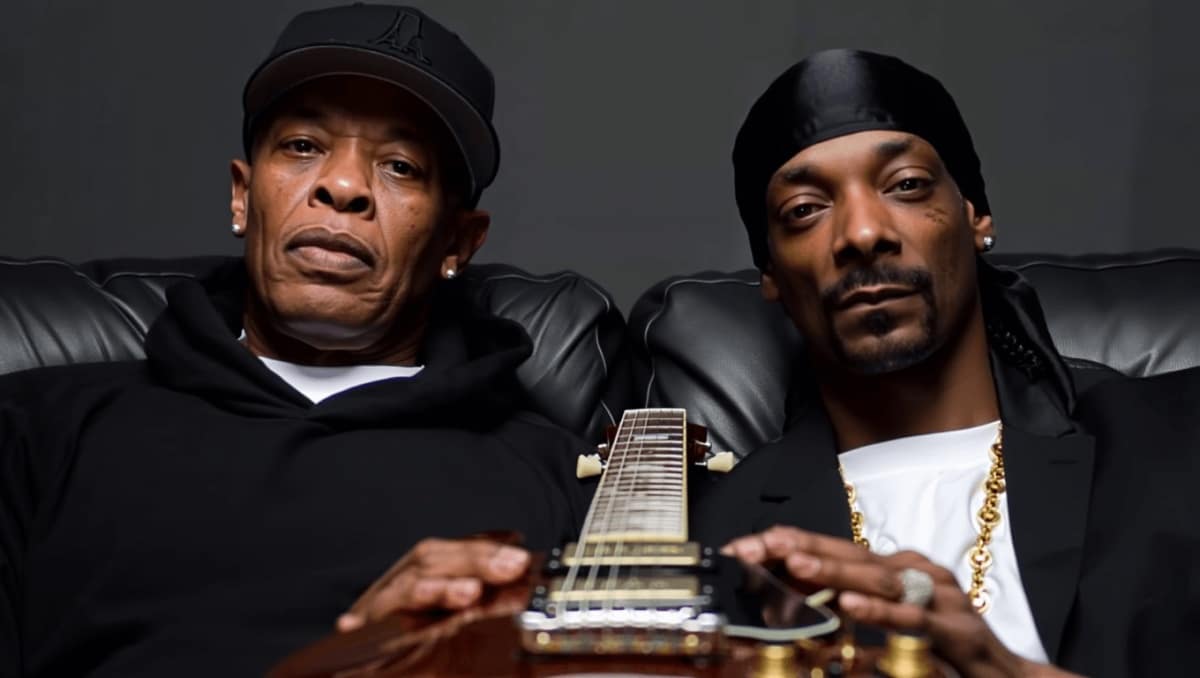
Dr. Dre says he and Snoop Dogg took a surprising turn into rock territory, choosing a beloved 1990s anthem to rework because they believed it would connect instantly with listeners. The decision came after studio sessions and conversations about nostalgia, audience reach, and creative risk. Fans are already buzzing about how two hip-hop icons might transform a rock classic into a fresh, modern moment.
Why the duo picked a 90s rock anthem to cover
Dr. Dre explained that the choice wasn’t random. He and Snoop looked for a song that carried emotional weight and broad recognition. They wanted something that could bridge generational gaps.
- Familiarity: A hit from the 1990s often lives in listeners’ memories.
- Emotional resonance: The selected song had a melody and lyrics that still feel relevant.
- Room to reinterpret: Dre said the track allowed for a new beat and fresh vocal approach.
KATSEYE postpones another concert: illness details remain undisclosed
Cupertino: a stylish legal drama packed with tech twists
How the cover evolved inside the studio
Inside the studio, the process blended careful arrangement with spontaneous creativity. Dre focused on production textures while Snoop experimented with cadence and tone.
Production choices that reshaped the song
- Stripped-back verses to highlight vocals.
- Layered harmonies to preserve the original’s hook.
- Modern drums and bass to update the groove without erasing the song’s identity.
Vocal approach and collaboration
Snoop adjusted his delivery to fit a rock-inflected melody. Guest musicians added guitar lines and subtle organ parts. The goal was to respect the original track while making it unmistakably their own.
Dr. Dre’s belief: “It’s gonna be an instant hit”
In a recent conversation, Dre was confident about the cover’s potential. He said, “It’s gonna be an instant hit.” That belief came from listening to early mixes and feeling the crowd reaction during informal plays.
- Audience testing: Early listens to close friends and label execs drove optimism.
- Cross-genre pull: The song’s rock roots and hip-hop reinterpretation broaden its appeal.
- Timing: Nostalgia trends make the moment ripe for such a reinterpretation.
Reaction from fans and the music community
Social media already shows mixed excitement and curiosity. Some fans celebrate the pairing; others worry about changing a favorite. Music critics are watching to see if the cover enhances or dilutes the original.
Early fan takes
- Longtime fans praise the reverence for the original melody.
- New listeners are drawn by Dre’s production sheen and Snoop’s relaxed flow.
- Purists express concern about altering a cherished track.
Industry perspective
Producers and musicians note that successful cross-genre covers can reinvigorate catalog songs. Labels see potential for streaming gains and playlist placement across rock and hip-hop channels.
Marketing plan and release strategy
Dre and Snoop’s team plans a staggered rollout designed to maximize discovery. The strategy blends traditional promotion with viral moments.
- Teaser clips to generate social buzz.
- Official single release followed by a visually driven music video.
- Live performances to showcase the hybrid arrangement.
What this cover could mean for their careers
The move is both artistic and strategic. For Dre, it showcases production range. For Snoop, it reinforces his versatility. Together, they may expand their audience and renew interest in both their catalogs.
- Legacy boost: Cross-genre projects can introduce artists to new demographics.
- Catalog impact: A successful cover often sparks streams for the original song.
- Collaborative momentum: If the single performs well, more experimental pairings could follow.
How the original artists reacted
Members of the original band reportedly received early mixes. Responses ranged from cautious approval to enthusiastic support. Some offered praise for the respectful treatment of their work.
- Statements emphasized gratitude for renewed attention.
- Some collaborators hinted at possible joint performances.
- Royalty and licensing arrangements were negotiated ahead of release.
Expectations for charts and streaming
Analysts predict strong debut numbers given the names attached. The cover could appear on multiple genre charts, and playlist curators are watching.
- Potential for high streaming in first 48 hours.
- Radio programmers may add it to both rock and urban rotations.
- Placement on influential playlists would accelerate discovery.










