
Show summary Hide summary
- Why Dan Reed calls the biopic misleading and “icky”
- How “Leaving Neverland” was made and why Reed believes the testimonies
- Evidence, settlements, and the estate’s role
- Culture, fandom, and the difficulty of accepting abuse allegations
- Public reaction, box office figures, and streaming spikes
- HBO, arbitration, and distribution limits for “Leaving Neverland”
- Online campaigns, threats, and security at Sundance
- Family dynamics, grooming, and the role of parents
- New allegations and the Cascio siblings
- Responses from public figures and media personalities
- Looking ahead: trials, coverage, and Reed’s next moves
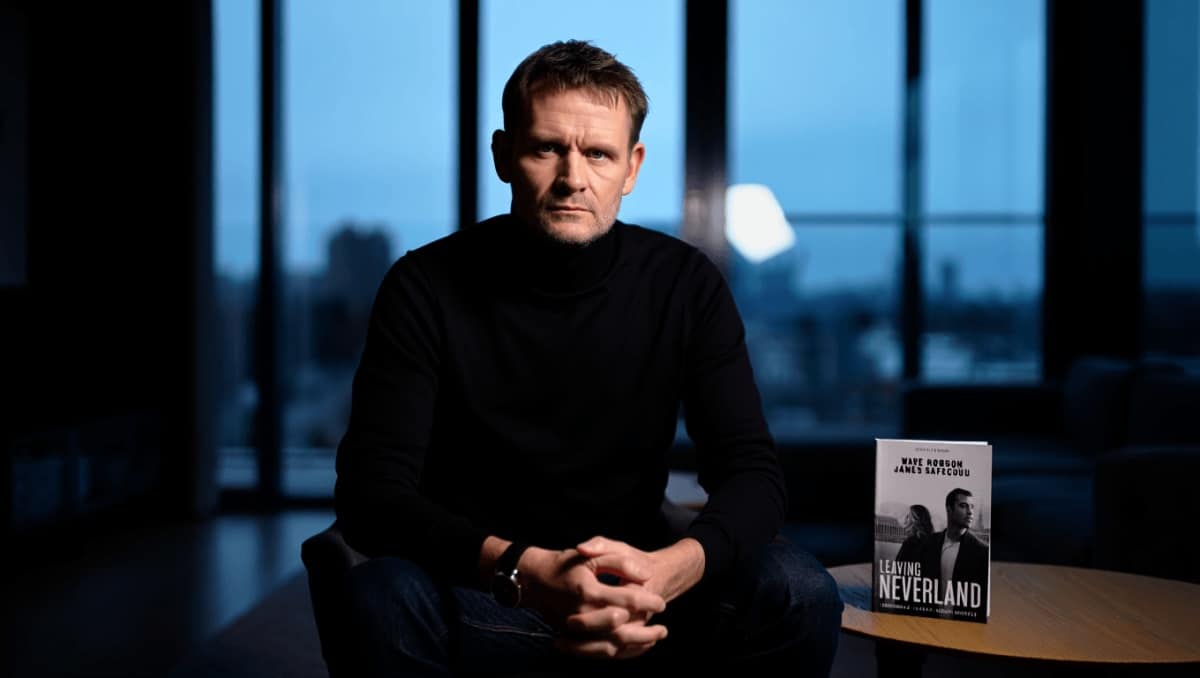
The clash over Michael Jackson’s legacy has flared anew after the release of Antoine Fuqua’s biopic “Michael.” Director Dan Reed, who made the Emmy-winning documentary “Leaving Neverland,” says the new film repackages Jackson as an innocent, wounded entertainer — and in doing so, it sidelines the accounts of men who say he abused them as children. Reed’s reaction mixes professional critique with personal outrage.
Why Dan Reed calls the biopic misleading and “icky”
Reed found “Michael” visually lavish but narratively thin. He says the film leans into a sanitized myth.
Nas slams music industry over disrespect: teases new music, vows to address it
1992 vocal performances: 3 jaw-dropping moments that still amaze
- Selective timeline: The biopic ends before major abuse claims became public, avoiding later controversies.
- Heroic framing: The movie casts Jackson as a childlike victim of his own upbringing.
- Key omissions: Scenes show Jackson caring for sick children, which Reed argues presents philanthropy as the whole truth.
- Performance issues: Reed felt the adult portrayal lacked depth and came across as stiff.
For Reed, the outcome is more than a weak film. It is a cultural intervention that, he argues, actively reshapes public understanding. “It pushes a false narrative around a man who’s a pedophile,” he says, accusing the film and those behind it of distorting victims’ accounts.
How “Leaving Neverland” was made and why Reed believes the testimonies
Reed describes his documentary as a deliberate, investigative project. He says he began skeptical and followed the evidence.
- He interviewed Wade Robson and James Safechuck for many hours.
- He reviewed tens of thousands of pages from past investigations.
- He spoke with detectives, prosecutors, and court insiders.
Reed says the research and corroboration convinced him of the accusers’ credibility. He stresses that the film aimed to show grooming patterns and the inside experience of abuse, not to destroy Jackson’s musical legacy.
Evidence, settlements, and the estate’s role
The legal landscape complicates how Jackson appears on screen.
- Some past accusers reached monetary settlements. Reed notes this can affect portrayals.
- Wade Robson and James Safechuck never settled with the estate, Reed emphasizes.
- Reed argues the estate and collaborators have crafted alternative stories to protect Jackson’s reputation.
He also dismisses the idea that the accusers sought payoffs. Reed points out that the new biopic and those profiting from it stand in stark contrast to the accusers’ lack of financial gain.
Culture, fandom, and the difficulty of accepting abuse allegations
Reed frames Jackson as a cultural icon who has been elevated beyond ordinary scrutiny.
- Iconography vs. accountability: When a figure becomes mythic, admitting moral failings becomes emotionally fraught.
- Collective denial: Fans often resist narratives that tarnish their memories of childhood heroes.
Reed argues that many people are psychologically unable to hold the two truths at once: loving the music and accepting the possibility of heinous acts.
Public reaction, box office figures, and streaming spikes
The biopic’s popularity tells part of the story.
- “Michael” opened to a reported $219 million weekend at the box office.
- Streaming of Jackson’s music rose significantly after the film’s release.
- Critics may be unimpressed, but the public response has been large and immediate.
Reed sees the numbers as proof the myth is resilient. He warns that commercial success can drown out victims’ voices.
HBO, arbitration, and distribution limits for “Leaving Neverland”
Legal agreements reshaped the documentary’s availability, Reed says.
- HBO had an old contract tied to a Jackson concert that contained a non-disparagement clause.
- The estate pushed for arbitration, and Reed says that ultimately led to HBO removing the film from its U.S. and Canadian platforms.
- The result: the film remains widely viewable internationally, but limited in North America until licensing changes.
Reed notes that a modest follow-up film was released on YouTube after HBO could not pick it up.
Online campaigns, threats, and security at Sundance
The “Leaving Neverland” premiere at Sundance was tense and heavily policed.
- Organizers screened the film with visible security measures.
- Bomb-sniffing dogs and police presence reflected the threat environment.
- Reed says many online threats came from accounts created rapidly and resembling bot networks.
He also reports intrusive private investigation attempts aimed at obtaining his personal data. Reed connects that harassment to determined efforts to discredit the film and intimidate its creators.
Family dynamics, grooming, and the role of parents
Reed addresses how families can be manipulated into enabling abuse.
- He says predators select households that are vulnerable or easily swayed.
- Parents were often seduced by charm, status, and apparent goodwill.
- Reed faults parental decisions but stops short of blaming them entirely.
The director frames grooming as a complex social and psychological process that ensnares whole families.
New allegations and the Cascio siblings
Reed comments cautiously on fresh claims from the Cascio family.
- He has not personally investigated the Cascios and relies on press reports.
- He notes reports that the Cascios approached the estate seeking compensation soon after the documentary surfaced.
- Reed contrasts that with Robson and Safechuck, who he says never sought payoffs.
While Reed does not dismiss the Cascios’ accounts, he expresses curiosity about their timing and motives.
Responses from public figures and media personalities
Reed praises some allies and criticizes others.
- He commends Oprah for publicly supporting and validating survivors.
- He rejects what he sees as weak or sloppy commentary from some hosts and pundits.
For Reed, thoughtful public conversation matters. He finds blanket dismissals and conspiratorial responses unhelpful.
Looking ahead: trials, coverage, and Reed’s next moves
Legal processes loom large in Reed’s view.
- A civil trial tied to the allegations is tentatively slated for late 2026.
- Reed believes the case will likely proceed to trial and expects a strong body of evidence to be presented.
- He says he will continue following the story and cover the court proceedings.
Reed plans to document the trial if it happens, calling it the next chapter in a story he started narrating with “Leaving Neverland.”










