
Show summary Hide summary
- How a seven-day recording changed rock music forever
- The studio sprint: recording the album in one week
- Tracks that defined a movement and their lean power
- Background: the band before the record
- Why critics and fans were divided at first
- How the album influenced punk, alternative, and beyond
- Live shows, image, and the visual shorthand that followed
- Production choices that kept the record immediate
- Where the album stands in music history today
Fifty years ago today a brief, blistering record session produced an album that rewired rock music. In seven days, a New York band cut a dozen short, sharp songs that would become the blueprint for punk and reshape the music that followed.
How a seven-day recording changed rock music forever
In January 1976, a quartet of friends entered a studio with one aim: make songs that hit fast and felt immediate. The result did not sound polished. It sounded urgent.
Nas slams music industry over disrespect: teases new music, vows to address it
1992 vocal performances: 3 jaw-dropping moments that still amaze
Their debut captured a new attitude—stripped-down arrangements, relentless tempo, and lyrics said plainly. That directness inspired bands around the world.
The studio sprint: recording the album in one week
The session was compact. Producers worked quickly. Takes were short. Overdubs were minimal.
- Days: roughly seven of concentrated recording.
- Approach: live-feel tracking, few retakes.
- Production: clean but raw, emphasizing rhythm and energy.
This method kept the momentum. It preserved the songs’ immediacy and left room for mistakes that sounded like attitude.
Tracks that defined a movement and their lean power
The album’s songs were brief and blunt. Each track made its point fast.
- High-energy anthems: fast beats and shouted hooks.
- Sneering simplicity: riffs that were easy to reproduce live.
- Short runtimes: songs often clocked in under two minutes.
“Blitzkrieg Bop” and other essential cuts
One opening song became a chant for generations. Its beat and hook were instant trademarks. Other tracks mixed teenage frustration, dark humor, and a punkish wink.
Background: the band before the record
The group formed in New York’s underground scene. They played small clubs, refining songs night after night. Fans heard the songs raw and loud.
Those gigs shaped the record’s feel. The studio captured an act already tight from performing live.
Why critics and fans were divided at first
Not everyone loved the album immediately. Some critics dismissed the simplicity. Fans at shows, however, responded with frenzy.
Commercial returns were modest compared to mainstream acts. Culturally, the impact was massive.
How the album influenced punk, alternative, and beyond
The record gave musicians a new rulebook: energy over virtuosity, feeling over polish. That shift fed punk scenes in the UK and U.S.
- Inspired a wave of stripped-down punk bands.
- Encouraged DIY recording and self-reliant tours.
- Laid groundwork for later alternative and grunge acts.
Musicians learned you could change music’s course with short songs and raw emotion.
Live shows, image, and the visual shorthand that followed
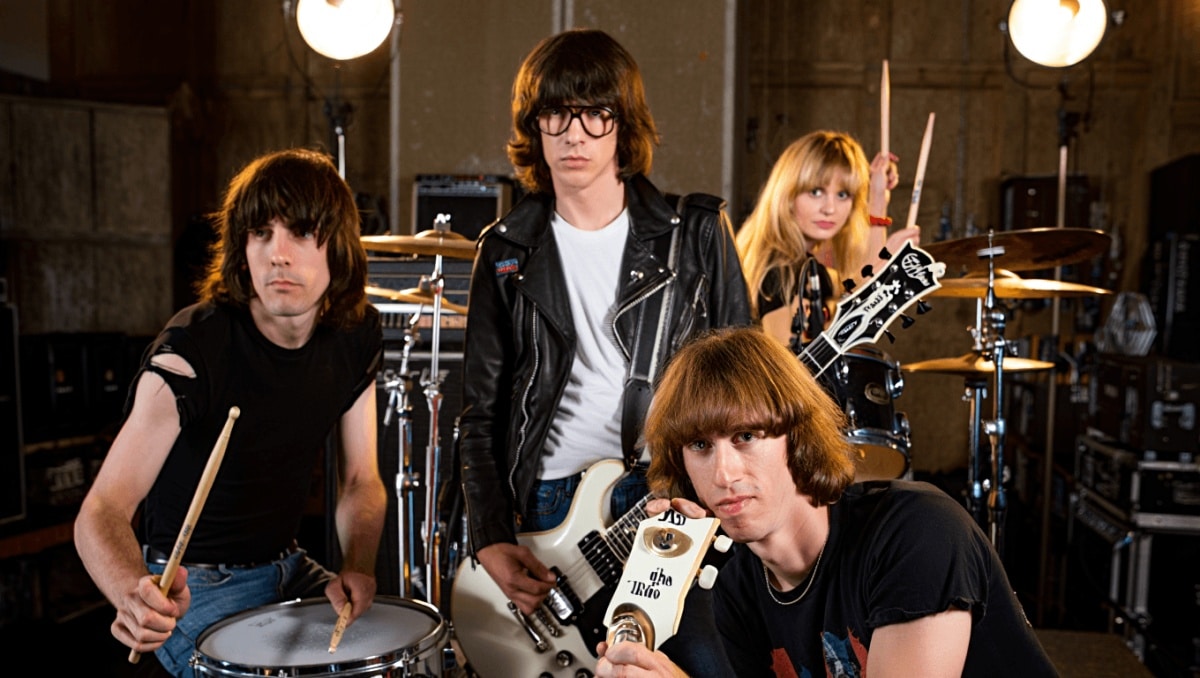
The band’s look—leather jackets, tight sets, and pogo-friendly beats—became shorthand for a movement. Promoters and magazines began to frame punk as more than sound.
That visual identity helped sell the idea of a youth-driven rebellion in music.
Production choices that kept the record immediate
- Minimal overdubs maintained the live energy.
- Close-miked instruments made the sound punchy.
- Few studios tricks meant the record translated well to performance.
These choices made the album feel like a packed club, not a polished studio product.
Where the album stands in music history today
Half a century on, the record is taught as a turning point. Musicians cite it as proof that simplicity can be revolutionary.
Its legacy is measured in influence—not only in record sales, but in the countless bands it inspired.










