
Show summary Hide summary
- Why Raekwon thinks veteran rappers often fade
- How Raekwon describes the artistic mindset over time
- Practical reasons behind the decline in output quality
- Examples and patterns Raekwon points out
- How Raekwon suggests artists can stay relevant
- What this means for fans and the industry
- Raekwon’s personal standard and ongoing work
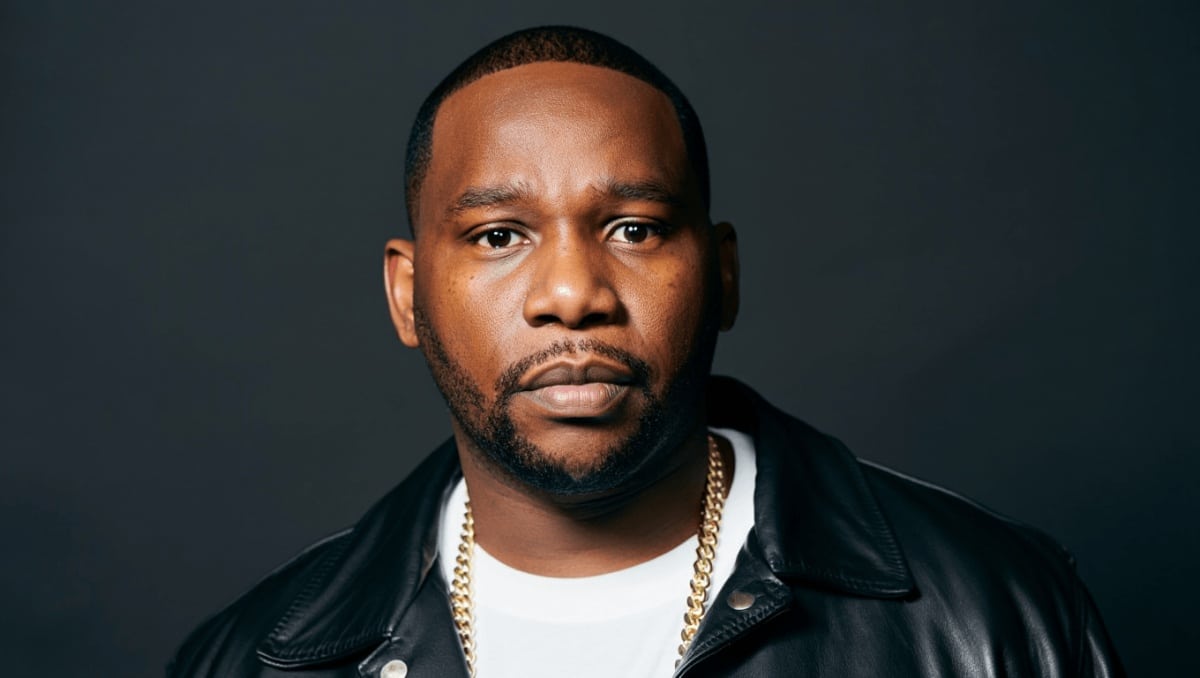
Raekwon speaks plainly about why many veteran MCs lose their edge as they age. In a recent conversation, the Wu-Tang Clan stalwart traced the decline to shifting priorities, creative fatigue, and the music business itself. His take is blunt, honest, and worth hearing for anyone who follows hip-hop and artist longevity.
Why Raekwon thinks veteran rappers often fade
Raekwon breaks the issue into simple, observable changes. Artists can lose the hunger that pushed them to grind for years. The daily drive to write, record, and promote can wane. When that happens, music often follows the same decline.
Nas slams music industry over disrespect: teases new music, vows to address it
1992 vocal performances: 3 jaw-dropping moments that still amaze
- Changing focus: Family, business deals, and legacy projects take time away from studio work.
- Creative burnout: Repeating formulas or resting on past success can dull artistry.
- Industry pressures: Streaming metrics and short attention spans steer choices toward trends.
How Raekwon describes the artistic mindset over time
He frames the issue as part mental and part situational. Some artists evolve their craft. Others step back. Raekwon doesn’t sugarcoat it: “Some people just stop.” That line captures both personal change and the slow slide away from rigorous creative standards.
Work ethic vs. lifestyle changes
Where once a rapper might spend nights perfecting a verse, later years bring different demands. Touring, family obligations, and entrepreneurship occupy energy. Raekwon points out that a sustained work ethic is rare.
Practical reasons behind the decline in output quality
Beyond mindset, there are tangible reasons why music quality drops for older rappers. Raekwon touches on these and offers context rooted in decades on the grind.
- Health and stamina: Recording and touring are physically taxing. Age affects performance.
- Market shifts: New styles and younger audiences change expectations.
- Business models: Label demands and streaming-first strategies can limit creative risk.
Examples and patterns Raekwon points out
Rather than name-call, he speaks in generalities and patterns. Many artists shift toward nostalgia or guest features. Some chase viral moments. Raekwon prefers depth and consistency over fleeting trends.
- Recycling old sounds without innovation.
- Relying heavily on features instead of sharp solo work.
- Prioritizing touring revenue over new recordings.
How Raekwon suggests artists can stay relevant
His advice centers on work ethic, curiosity, and protecting the craft. He emphasizes staying active in the studio and challenging oneself, even after success.
- Keep writing: Treat lyrics and beats as skills that require constant practice.
- Collaborate wisely: Choose partners who elevate, not dilute, your voice.
- Adapt without losing identity: Learn new sounds but keep core values intact.
What this means for fans and the industry
Raekwon’s commentary is a call to pay attention to intent. Fans often expect the same hunger decades later. The industry pressures legacy acts to monetize more than to create. That tension influences the music listeners hear.
Questions fans should ask
- Is the artist challenging themselves creatively?
- Are new releases meaningful, or just market-driven?
- Does the music reflect growth, or safe repetition?
Raekwon’s personal standard and ongoing work
He uses his own catalog as a benchmark for consistency. For Raekwon, staying sharp means staying active in the studio and guarding artistic standards. That discipline explains why he still draws attention.
He believes longevity requires both talent and relentless effort.










