Show summary Hide summary
- How the “empty stadium” story began and spread
- Jay‑Z’s response and the evidence he presented
- Why images can be misleading: camera angle and timing
- Industry reaction: promoters, venues and ticketing platforms weigh in
- What this debate reveals about modern concert culture
- How artists can respond to claims about attendance
- What fans should consider before sharing “empty venue” posts
Fans, promoters and pundits have been debating whether Jay‑Z’s recent stadium dates drew the crowds they deserved. What began as a few photos and social posts turned into a wider conversation about modern touring, ticketing and perception. The rapper and entrepreneur has answered critics, and the exchange reveals how today’s live-music narratives are shaped by images, metrics and social media noise.
How the “empty stadium” story began and spread
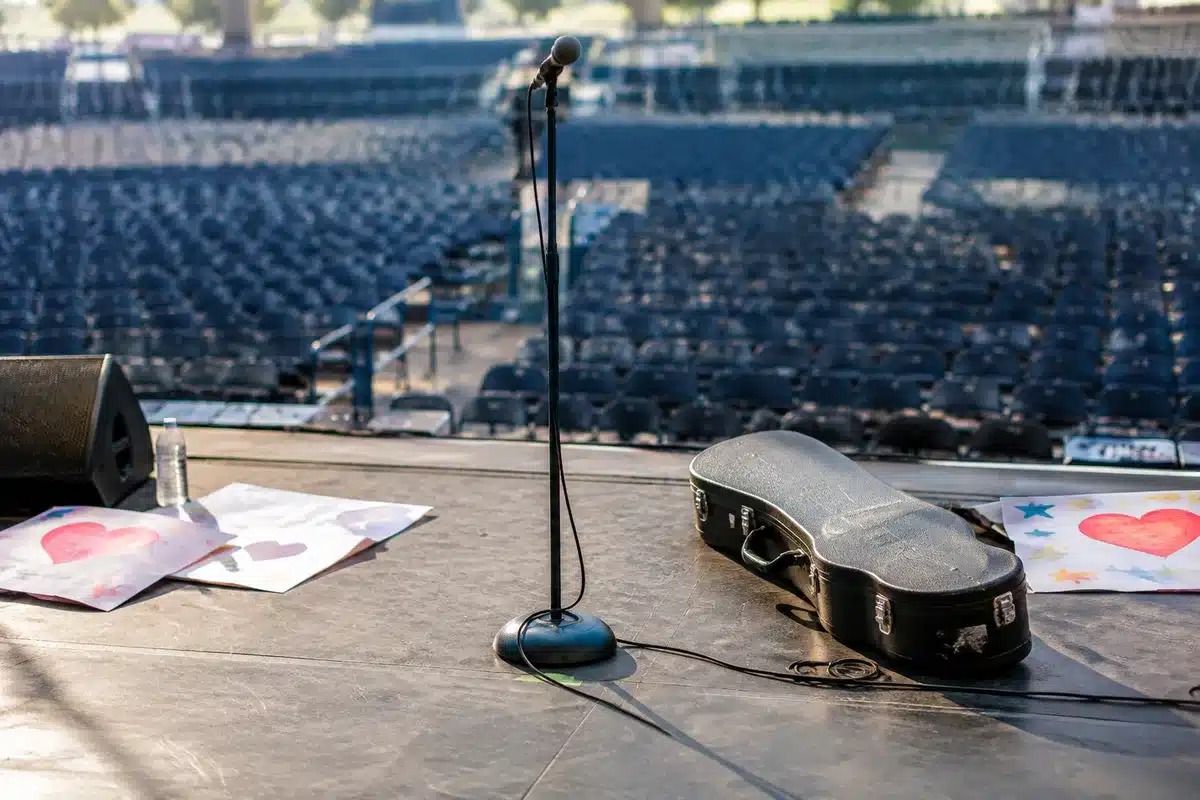
The controversy started with a handful of pictures and clips taken from high vantage points. Some images showed stretches of unfilled seats during parts of Jay‑Z’s set. Those visuals spread quickly on social platforms and were amplified by commentators.
Afterparty, 5AM finalists revealed: playlist project vol. 1 picks
Katie Zacharia out as press secretary after just 5 days: what happened?

- Short-form video and single-frame screenshots can mislead about overall attendance.
- Timing matters: early or late show moments may not reflect peak crowd size.
- Resale platforms and seat maps sometimes create distorted impressions.
Jay‑Z’s response and the evidence he presented
Rather than remaining silent, Jay‑Z addressed the claims through his team and social channels. He pointed to ticket sales, box office numbers and full-house moments captured from ground level. His camp emphasized context rather than dramatic denials.
- Official ticketing data showed strong sales for headline nights.
- Photographs taken from within the crowd highlighted packed floor sections.
- Artists and tour managers released behind‑the‑scenes footage to counter single-frame narratives.
What counts as a convincing rebuttal?
Fans and industry watchers judge rebuttals differently. For some, verified box office tallies are decisive. Others trust eyewitness clips and long-form video. Jay‑Z’s team combined both kinds of proof.
Why images can be misleading: camera angle and timing
Photographs can compress space and skew how a venue looks. A wide shot early in the show might show empty seats that later fill. Conversely, shots from the floor can exaggerate density.

- High-angle shots capture seat geometry and shadows.
- Empty sections may belong to suites, press areas, or production zones.
- Late-arriving fans and set-breaks change occupancy during the night.
Industry reaction: promoters, venues and ticketing platforms weigh in
Tour promoters and venue operators offered context to explain the discrepancies. They pointed to pre-sale allocations, sponsorship blocks, and hospitality packages that do not appear in general seat maps.
- Promoters track revenue and attendance with precise reporting.
- Venues may reserve blocks for production or security needs.
- Ticketing platforms sometimes show inventory that does not equal empty seats.
What this debate reveals about modern concert culture
The exchange around Jay‑Z’s shows highlights broader trends in live entertainment. Social media accelerates narratives, and visual snippets can supersede detailed data in public perception.
- Instant images can shape reputations faster than official statements.
- Fans expect transparency from artists and promoters.
- Artists must manage both the live experience and its digital afterlife.
How artists can respond to claims about attendance
Jay‑Z’s approach offers a playbook for other performers. Combining data, authentic footage and measured public statements helps shift the conversation.
- Release verified box office totals when appropriate.
- Share behind‑the‑scenes or fan-shot videos to show atmosphere.
- Engage media with straightforward context, not defensiveness.
What fans should consider before sharing “empty venue” posts
Before amplifying snapshots that imply low turnout, fans and influencers can ask a few questions: When was the photo taken? What camera angle is used? Are official numbers available?
- Momentary gaps do not equal a failed show.
- Many stadium productions hold space for technical needs.
- Contextual reporting beats viral assumptions.