Show summary Hide summary
If you miss classic, turn-based Final Fantasy battles, a new release may scratch that itch. Final Fantasy Resonance revives old-school combat, borrows assets from Brave Exvius, and repackages them into a console-friendly RPG with HD-2D visuals and a clear nod to series nostalgia.
Story beats that feel comfortably familiar
Resonance leans into themes long associated with the franchise. You follow a small band of heroes as they race to stop armored villains from destroying elemental crystals. The plot hits recognizable notes: revolution, ancient magics, and the quest to avert global disaster.
James Blunt files to legally change name after losing bizarre bet with fans
Missy Elliott finally reveals why her biggest 2000s hit has two versions
Some locations hint at deeper conflicts. A desert nation bristles with political unrest, for instance, but the game rarely lingers long enough for those subplots to breathe. Character arcs are earnest, if predictable.
- Protagonist types: a sword-wielding hero, a stoic blade user, a tactical mage, and an ageless sorceress with a childlike form.
- Emotional beats: moments land well thanks to strong voice work, even when plot beats are conventional.
The villain and many story resolutions follow expected paths. That familiarity will satisfy some players and frustrate others looking for bold narrative risks.
Turn-based combat rebuilt with modern touches
Combat is Resonance’s strongest suit. It captures the classic left-versus-right battle screen and restores the methodical pace of old-school encounters. Elemental weaknesses, status effects, and the need for tactical buffs all return.

Stagger system and timing matter
Each enemy has a stagger meter under its HP. Deplete that meter to stun foes and make them take extra damage. If you stagger every foe in a turn, the game rewards you with a bonus phase for devastating follow-ups.
Staggering is satisfying and changes how you approach each battle. It encourages planning rather than button-mashing.
Visions act like a flexible class system
Visions are ghostly allies you equip to party members. Each vision grants a unique moveset and elemental focus. They are upgradable and alter a character’s role in combat.
Many visions are cameos from past Final Fantasy entries. Seeing characters like Cloud or Terra is fun, but those appearances can sometimes distract from Resonance’s own cast.
- Visible turn order: keeps you informed and lets you plan chains.
- Speed options: you can tweak battle pace to your liking.
- Super attacks: triggered after staggering, they deliver cinematic payoff.
The game encourages swapping visions to match enemy types, but navigating menus to do so can feel clunky. A few extra button presses slow down what should be a quick strategic switch.
World exploration and reward loops that pay off
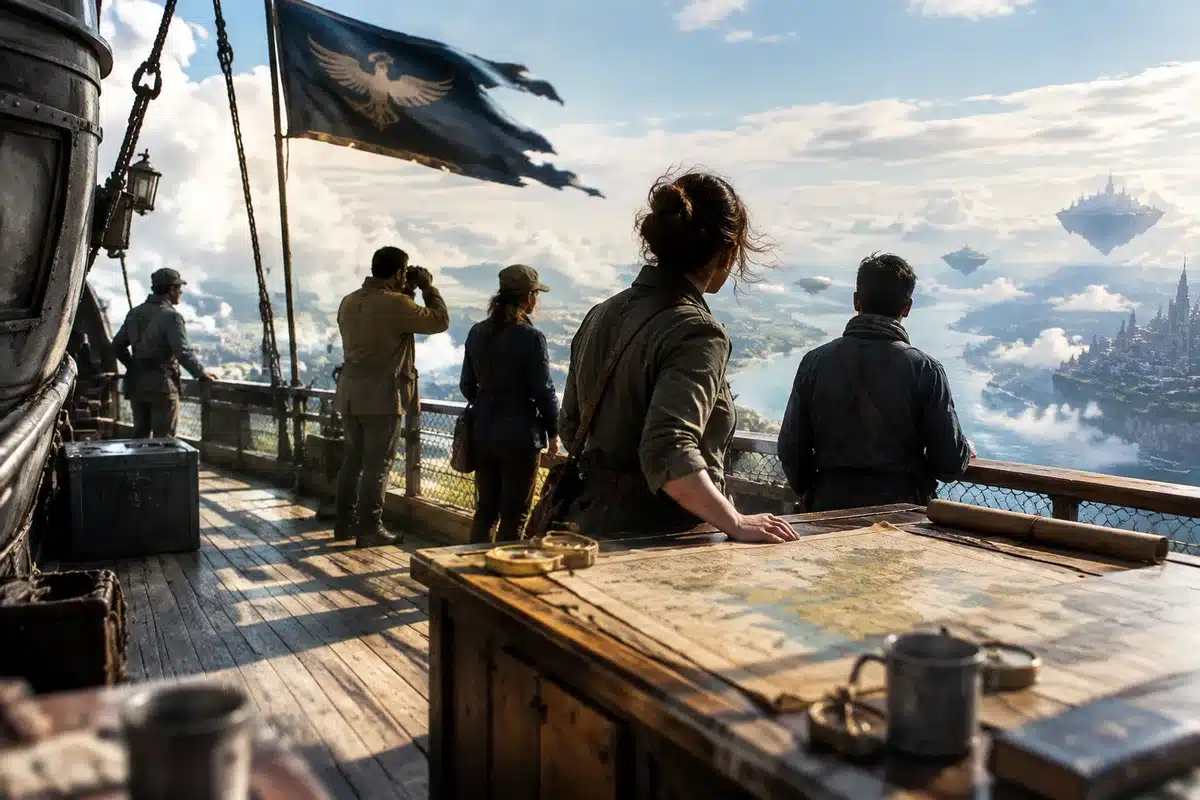
Resonance hands you an airship early and invites open exploration. The main story gates some areas, yet many islands, caves, and secret spots are free to find.

Explorers who detour from the main road will earn powerful gear and advantages that make later battles easier. I found that seeking out hidden content often left my party overpowered by the end.
- Findable upgrades reward curiosity.
- Sidequests give characters more personality and depth.
- Some locales tease bigger stories that never fully develop.
Audio and visual presentation on modern hardware
Composer Noriyasu Agematsu delivers a soundtrack that fits the classic mood. Battle themes pump the adrenaline, while overworld music sets distinct atmospheres for each region.
The HD-2D art style looks exceptional on Switch 2. Pixel-based characters, layered backgrounds, and cinematic cutscenes often look better than expected. Performance is strong overall, with occasional minor frame dips that rarely spoil the experience.
Who will enjoy Resonance and where it fits in the series
If you miss a classic, turn-based Final Fantasy, Resonance is likely to please. It plays like a polished tribute more than a reinvention. The combat systems are smartly designed and consistently fun.
However, if you crave a groundbreaking story or deep narrative surprises, this title leans on franchise tropes and familiar beats. Cameos from prior games will thrill long-time fans, but they can also highlight how stronger stories exist elsewhere in the series.
- Recommended for: players who want tactical, turn-based battles and exploration.
- Less suited for: those seeking bold narrative experiments.
Practical notes and a few nagging issues
The game runs well on Switch 2 and showcases some of the best HD-2D visuals yet. Load times are reasonable and graphical fidelity is high for the style.
Still, some interface choices slow down seamless play. Menu navigation for vision swapping could be streamlined. The plot also relies heavily on familiar arcs, which reduces narrative surprise.
- Technical performance: solid, with rare slowdowns.
- Menus: functional, but occasionally cumbersome.
- Length: around 40 hours for a full run, depending on exploration.