Show summary Hide summary
- Big-name reenactments reshape the film’s narrative
- Fielder’s full-access approach: living and filming in the home
- Domestic oddities that reveal imbalance and control
- Language, truth claims and the slippery nature of facts
- Money, negotiations and ethical concerns behind the scenes
- Threats, preparedness and a performance of menace
- Prison, reproduction and technology: life after sentencing
- Confrontations and unexpected human moments
- Memorable, confounding sequences viewers keep talking about
Warning: this article contains major spoilers for the A24 documentary You Can See Everything, now in theaters. After a surprising Telluride premiere, Nathan Fielder and Lance Oppenheim’s intimate portrait of Elizabeth Holmes and Billy Evans has provoked conversation. The filmmakers lived with the couple to capture daily life, then layered reenactments and celebrity cameos to blur documentary lines.
Big-name reenactments reshape the film’s narrative
The documentary leans into staged moments. Amanda Seyfried appears both as herself and as Elizabeth Holmes, stepping into scenes to replay private conversations. Seyfried had previously portrayed Holmes in The Dropout and joins Fielder’s movie to unpack that performance while reenacting encounters.
JD Vance gets unexpected earful from MAGA-hatted man behind him: wild video
90s alternative rock legend reveals pansexuality

Christopher Abbott is cast as Billy Evans. The two actors recreate pre-filming meetings, a prison visitation and other charged exchanges. Their presence gives the film a hybrid feel — part cinéma vérité, part constructed drama.
Fielder’s full-access approach: living and filming in the home
To secure candid material, Fielder accepted nearly constant access to Holmes and Evans. He stayed at their home, filmed breakfasts and private moments, and, at times, attempted to step back to leave the couple alone.
- Fielder offers to leave so the couple can be alone; the gesture underscores the odd intimacy between filmmaker and subjects.
- He gives Holmes an offbeat prison gift — hair dye and sunglasses — framed as dark humor.
- There’s a quiet, emotionally charged farewell between Fielder and Holmes before she reports to prison.
Domestic oddities that reveal imbalance and control
Scenes from everyday life become revealing. Small, awkward exchanges expose dynamics between Holmes and Evans.

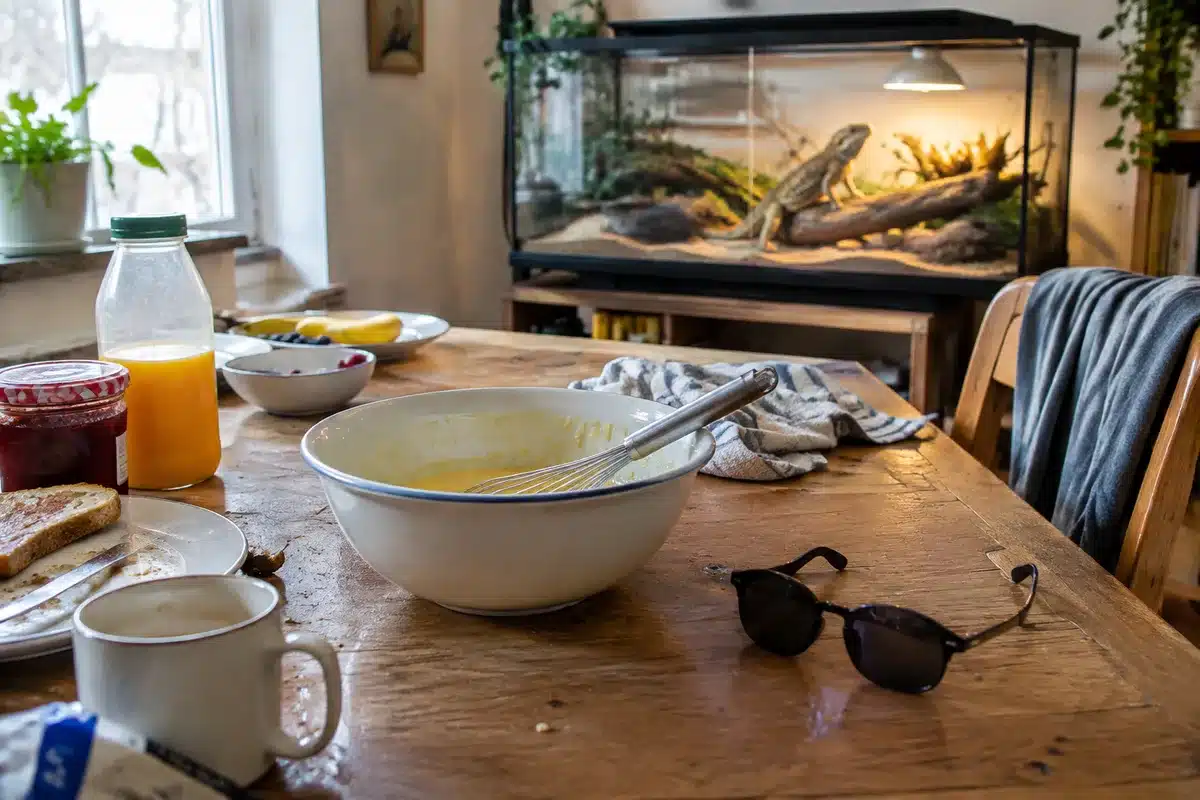
- The breakfast exchange: Evans snatches a bowl while Holmes is whisking eggs. The moment hints at his controlling instincts.
- Shower scene: Evans is filmed showering nude, creating discomfort and signaling performative masculinity.
- Evans interrupts an interview with Holmes’ father, shutting down questions about past relationships and the Theranos era.
Language, truth claims and the slippery nature of facts
Fielder repeatedly probes Holmes about truth and responsibility. One striking claim: Holmes insists she has never told a lie. The film explores how a person convicted of fraud can nonetheless maintain an alternate narrative.
Comedy as a lens
Fielder shows Holmes the Abbott and Costello “Who’s on First?” routine to highlight ambiguous phrasing. Holmes agrees it’s funny but struggles to explain why. The exchange raises questions about intentional vagueness in her public statements about Theranos.
Money, negotiations and ethical concerns behind the scenes
Behind-camera bargaining complicates the documentary’s credibility.
- Evans reportedly asked to be paid for participating while Holmes left the room. A24 initially agreed, though the request was later withdrawn.
- Evans claims to post from Holmes’ verified social accounts and to hold power of attorney, creating tensions around control and representation.
- During a confrontation, Evans deflects by criticizing Amanda Seyfried for online backlash over comments related to conservative commentator Charlie Kirk.
Threats, preparedness and a performance of menace
Evans projects a threatening image at points in the film. He says he carries a weapon for protection and claims he knows ways to harm people. He also mentions having a pre-recorded message to release if something happens to him.
These moments amplify his role as guardian, provocateur and potential antagonist in Holmes’ post-conviction life.
Prison, reproduction and technology: life after sentencing
Once Holmes is incarcerated, the film pivots to the aftermath.
- Evans moves to a new house near visitation points and fills it with unusual pets. The camera catches a large lizard and other exotic animals roaming freely.
- He has Holmes’ body scanned to create an AI version of her voice and likeness. A large screen in his home plays this simulated Holmes, enabling eerie interactions.
- Fielder attempts a prison phone call with Holmes. Security concerns lead him to reenact the audio later using Seyfried to represent Holmes’ side of the call.
Confrontations and unexpected human moments
Several scenes mix pathos and awkwardness, revealing more than intended.
- Seyfried and Holmes have a brief phone exchange from prison. It’s the first time they seem to speak directly.
- A tense moment shows Fielder and Seyfried confronting Evans about whether Holmes knew he had requested payment.
- The film closes with a quiet disclosure: Holmes and Fielder went swimming together while he was staying with the couple. That detail forces viewers to reconsider the boundaries of the filmmaker’s role.
Memorable, confounding sequences viewers keep talking about
- Seyfried stepping into Holmes’ skin to replay real conversations.
- Evans’ naked shower and casual displays of power.
- The egg bowl incident, a tiny act that signals larger dynamics.
- A text from Holmes reading “fyi you can totally see everything,” which gives the documentary its title yet goes unexplained.
- Evans’ declaration that he can harm people and his statements about being armed.
- The AI Holmes living in a digital display inside Evans’ house.